What does 2 Chronicles 6:14-16 mean?
"And said, O Lord God of Israel, there is no God like thee in the heaven, nor in the earth; which keepest covenant, and shewest mercy unto thy servants, that walk before thee with all their hearts: Thou which hast kept with thy servant David my father that which thou hast promised him; and spakest with thy mouth, and hast fulfilled it with thine hand, as it is this day. Now therefore, O Lord God of Israel, keep with thy servant David my father that which thou hast promised him, saying, There shall not fail thee a man in my sight to sit upon the throne of Israel; yet so that thy children take heed to their way to walk in my law, as thou hast walked before me." - 2 Chronicles 6:14-16
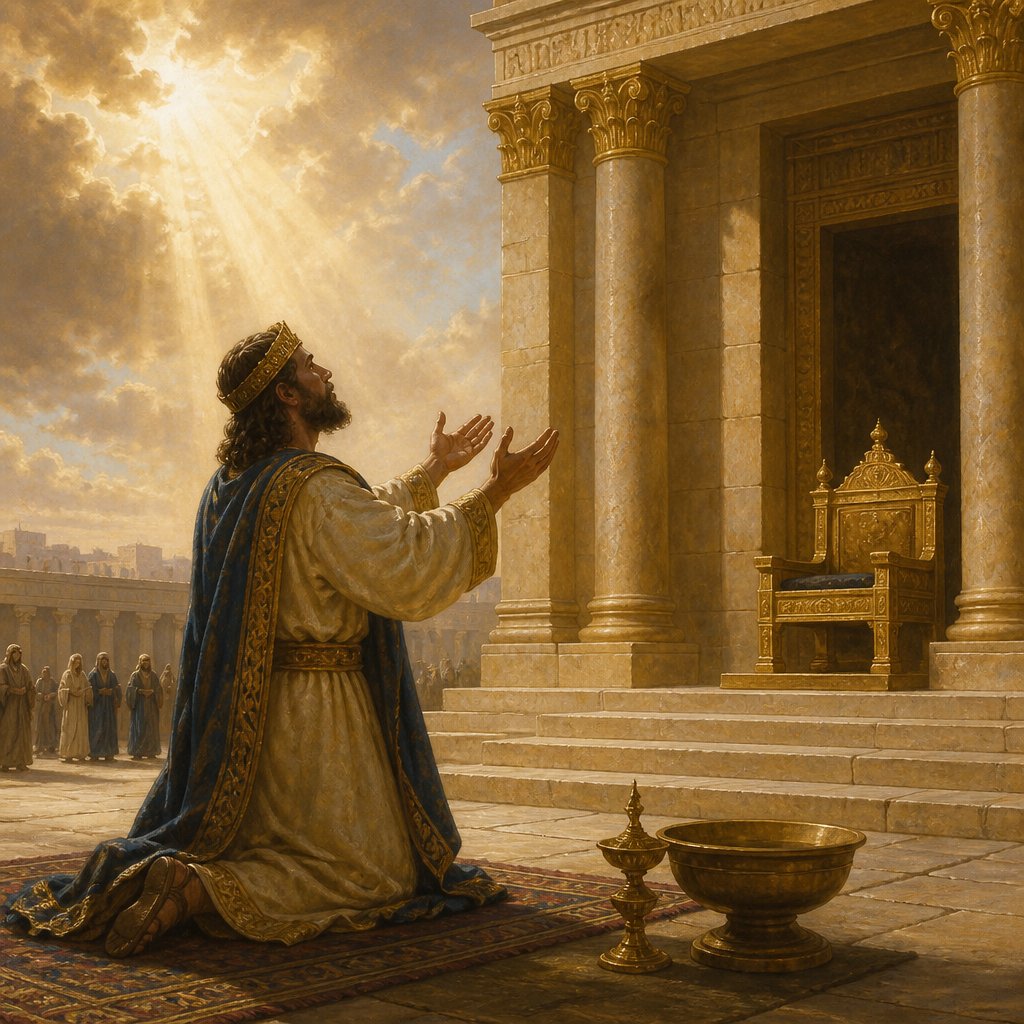
2 Chronicles 6:14-16 (KJV) states:
14 And said, O Lord God of Israel, there is no God like thee in the heaven, nor in the earth; which keepest covenant, and shewest mercy unto thy servants, that walk before thee with all their hearts:
15 Thou which hast kept with thy servant David my father that which thou hast promised him; and spakest with thy mouth, and hast fulfilled it with thine hand, as it is this day.
16 Now therefore, O Lord God of Israel, keep with thy servant David my father that which thou hast promised him, saying, There shall not fail thee a man in my sight to sit upon the throne of Israel; yet so that thy children take heed to their way to walk in my law, as thou hast walked before me.
The passage from 2 Chronicles 6:14-16 encapsulates a powerful declaration of King Solomon as he dedicates the Temple of the Lord. It provides valuable insights into the themes of the covenant between God and His people, the faithfulness of God, and the importance of obedience to His commandments.
The passage begins with Solomon acknowledging the unparalleled nature of the Lord God of Israel. He proclaims that there is no God like Him in all of heaven and earth. This declaration emphasizes the supremacy and uniqueness of God, setting the stage for the significance of the covenant that will be mentioned throughout the passage.
Solomon goes on to highlight the faithfulness and mercy of God towards His servants who walk before Him with all their hearts. This reflects the theme of God's unwavering commitment to His people and His inclination towards mercy and compassion. The recognition of God's faithfulness serves as a reminder of His promises and the assurance that He will fulfill them.
Furthermore, Solomon references the covenant God made with his father, David. He acknowledges that God has kept His promise to David, speaking with His mouth and fulfilling it with His hand. This highlights the reliability of God and His commitment to fulfilling His word. Solomon's reference to the covenant with David also underscores the continuity of God's faithfulness from one generation to the next, demonstrating the enduring nature of His promises.
The passage concludes with a plea from Solomon to God, asking Him to continue to keep the promise He made to David regarding the succession of the throne in Israel. Solomon recognizes the conditional nature of the promise, emphasizing the importance of obedience to God's law. This reflects the theme of obedience and the vital role it plays in maintaining the covenantal relationship between God and His people.
In terms of context, the passage takes place during the dedication of the Temple of the Lord, a momentous event in the history of Israel. King Solomon's prayer and declaration reflect the reverence and devotion the Israelites had towards the Lord and His sanctuary. The passage serves as a poignant reminder of the significance of the Temple and the covenantal relationship between God and His chosen people.
Symbolically, the passage represents the covenant between God and His people as well as the enduring faithfulness of God. The Temple itself serves as a symbol of God's presence among His people and His desire for a relationship with them. Solomon's acknowledgment of God's unique and supreme nature underscores the significance of this covenantal relationship.
In conclusion, 2 Chronicles 6:14-16 offers a profound declaration of King Solomon, emphasizing the themes of God's faithfulness, the covenant between God and His people, and the importance of obedience to His commandments. It serves as a powerful reminder of the enduring nature of God's promises and His desire for a faithful and obedient people. The passage holds significant historical and theological significance, providing valuable insights into the relationship between God and His people.
Have questions about 2 Chronicles 6:14-16?
Dive deeper into this scripture with Bible Chat — an AI-powered tool for exploring God's Word through conversation. Ask questions, get context, and grow in your understanding of the Bible.
Get Our Apps


2 Chronicles 6:14-16 Artwork

2 Chronicles 6:14-16 - "and said: “Lord, the God of Israel, there is no God like you in heaven or on earth—you who keep your covenant of love with your servants who continue wholeheartedly in your way. You have kept your promise to your servant David my father; with your mouth you have promised and with your hand you have fulfilled it—as it is today. Now, Lord, the God of Israel, keep for your servant David my father the promises you made to him when you said, ‘You shall never fail to have a successor to sit before me on the throne of Israel, if only your descendants are careful in all they do to walk before me according to my law, as you have done."
"and said: “Lord, the God of Israel, there is no God like you in heaven or on earth—you who keep your covenant of love with your servants who continue wholeheartedly in your way. You have kept your promise to your servant David my father; with your mouth you have promised and with your hand you have fulfilled it—as it is today. Now, Lord, the God of Israel, keep for your servant David my father the promises you made to him when you said, ‘You shall never fail to have a successor to sit before me on the throne of Israel, if only your descendants are careful in all they do to walk before me according to my law, as you have done." - 2 Chronicles 6:14-16

2 Chronicles 6:14 - "And said, O LORD God of Israel, there is no God like thee in the heaven, nor in the earth; which keepest covenant, and shewest mercy unto thy servants, that walk before thee with all their hearts:"

1 Chronicles 6:14 - "And Azariah begat Seraiah, and Seraiah begat Jehozadak,"

2 Chronicles 16:6 - "Then Asa the king took all Judah; and they carried away the stones of Ramah, and the timber thereof, wherewith Baasha was building; and he built therewith Geba and Mizpah."

1 Chronicles 14:6 - "And Nogah, and Nepheg, and Japhia,"

2 Chronicles 14:6 - "And he built fenced cities in Judah: for the land had rest, and he had no war in those years; because the LORD had given him rest."

1 Chronicles 6:16 - "¶ The sons of Levi; Gershom, Kohath, and Merari."

1 Chronicles 16:14 - "He is the LORD our God; his judgments are in all the earth."

"And Azariah begat Seraiah, and Seraiah begat Jehozadak," - 1 Chronicles 6:14

"And Nogah, and Nepheg, and Japhia," - 1 Chronicles 14:6

1 Chronicles 16:6 - "Benaiah also and Jahaziel the priests with trumpets continually before the ark of the covenant of God."

2 chronicles 7:14

2 chronicles 7:14

1 Kings 16:14 - "Now the rest of the acts of Elah, and all that he did, are they not written in the book of the chronicles of the kings of Israel?"

2 Chronicles 16:14 - "And they buried him in his own sepulchres, which he had made for himself in the city of David, and laid him in the bed which was filled with sweet odours and divers kinds of spices prepared by the apothecaries' art: and they made a very great burning for him."
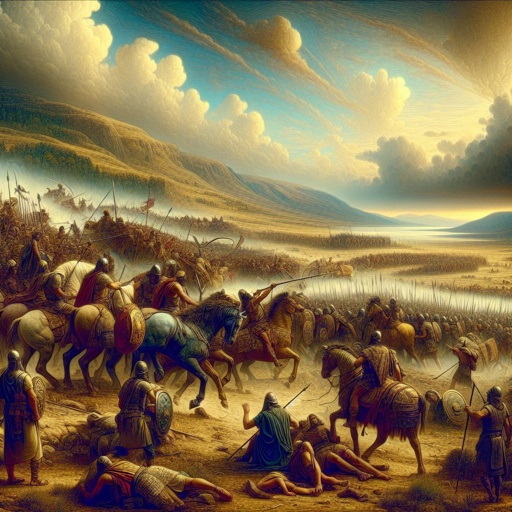
1 Chronicles 14:16 - "David therefore did as God commanded him: and they smote the host of the Philistines from Gibeon even to Gazer."

1 Chronicles 2:14 - "Nethaneel the fourth, Raddai the fifth,"

2 Chronicles 6:13

2:6:14

2 Chronicles 14:2 - "And Asa did that which was good and right in the eyes of the LORD his God:"
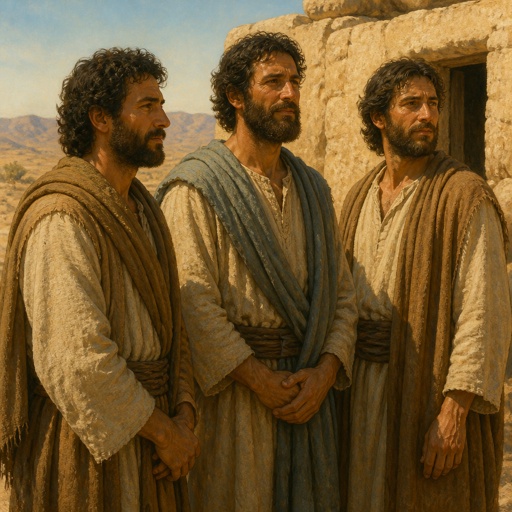
"¶ The sons of Levi; Gershom, Kohath, and Merari." - 1 Chronicles 6:16

2 Samuel 6:14

2 Chronicles 6:2 - "But I have built an house of habitation for thee, and a place for thy dwelling for ever."

2 Chronicles 13:16 - "And the children of Israel fled before Judah: and God delivered them into their hand."

2 Kings 14:18 - "And the rest of the acts of Amaziah, are they not written in the book of the chronicles of the kings of Judah?"

2 Chronicles 29:14 - "And of the sons of Heman; Jehiel, and Shimei: and of the sons of Jeduthun; Shemaiah, and Uzziel."

2 Chronicles 15:14 - "And they sware unto the LORD with a loud voice, and with shouting, and with trumpets, and with cornets."

1 Chronicles 6:2 - "And the sons of Kohath; Amram, Izhar, and Hebron, and Uzziel."

Humble ourselves and pray 2 Chronicles 7:14