What does 2 Chronicles 35:23 mean?
"And the archers shot at king Josiah; and the king said to his servants, Have me away; for I am sore wounded." - 2 Chronicles 35:23

2 Chronicles 35:23 (KJV) reads: "And the archers shot at king Josiah; and the king said to his servants, Have me away; for I am sore wounded."
This verse is a part of the broader narrative of the reign of King Josiah, who ruled over the Kingdom of Judah during the seventh century BCE. King Josiah is described in 2 Chronicles as a righteous and devout king who sought to bring about religious reforms in Judah. He is known for rediscovering the Book of the Law (presumably the Torah) and for instituting religious reforms based on its teachings.
The verse in question is part of the account of Josiah's last days, particularly his fateful decision to engage in battle with Necho II, the Pharaoh of Egypt. According to the biblical narrative, Necho was on his way to assist the Assyrians in their war against the Babylonians. Josiah, for reasons that are not entirely clear from the biblical text, decided to oppose Necho's passage through the territory of Judah. Unfortunately, Josiah was fatally wounded by the Egyptian archers during this confrontation, and he eventually died from his injuries.
This verse, therefore, captures a critical moment in the story of Josiah's reign and his ultimate downfall. It is a scene of tragedy and loss, as a beloved and righteous king meets his end in a violent confrontation. The verse is also significant because it highlights the vulnerability of even the most powerful figures in the biblical narrative; Josiah, despite his piety and devotion to God, is not immune to the perils of warfare and political strife.
One theme that can be drawn from this verse is the idea of divine judgment and human fate. Josiah's decision to confront Necho in battle ultimately leads to his own death, which can be seen as a form of divine retribution for his reckless actions. This theme reflects a recurring motif in the Hebrew Bible, where individuals and nations are often held accountable for their choices and actions. It serves as a reminder of the consequences of disobedience and the importance of aligning with God's will.
Another theme that emerges from this verse is the fragility of human life. Despite his status as a king and his efforts to bring about religious reform, Josiah is unable to escape the mortal dangers that confront all humanity. This theme underscores the biblical message that all people, regardless of their earthly status, are subject to the transient and uncertain nature of life. It is a humbling reminder of the limitations of human power and the inevitability of mortality.
The context of this verse within the broader narrative of Josiah's reign also provides important insights into the religious and political dynamics of ancient Judah. Josiah's efforts to reform the religious practices of his kingdom and his resistance to the influence of foreign powers reflect the ongoing struggles for independence and self-determination that characterized the history of ancient Israel. The verse serves as a poignant illustration of the challenges and conflicts faced by the leaders of Judah as they sought to navigate the complex geopolitical landscape of the ancient Near East.
In terms of symbolism, the figure of Josiah can be seen as representing the ideal of a righteous and just ruler, one who seeks to uphold the principles of his faith and lead his people in accordance with God's will. His tragic end at the hands of foreign adversaries can be interpreted as a symbol of the vulnerability of the righteous in a world plagued by violence and injustice. At the same time, Josiah's legacy as a reformer and a devout leader endures beyond his death, serving as an inspiration for future generations to follow in his footsteps.
In conclusion, 2 Chronicles 35:23 offers a poignant and thought-provoking glimpse into the life and legacy of King Josiah. It raises profound questions about the nature of divine judgment, the fragility of human life, and the complexities of leadership in the ancient world. Through its themes, context, and symbolism, this verse continues to resonate with readers today, inviting reflection on the timeless truths and enduring challenges of the human experience as portrayed in the Hebrew Bible.
Have questions about 2 Chronicles 35:23?
Dive deeper into this scripture with Bible Chat — an AI-powered tool for exploring God's Word through conversation. Ask questions, get context, and grow in your understanding of the Bible.
Get Our Apps


2 Chronicles 35:23 Artwork
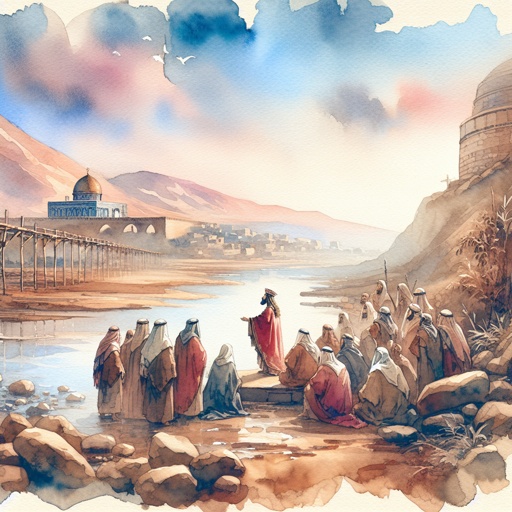
2 Chronicles 35:23

2 Chronicles 35:23 - "And the archers shot at king Josiah; and the king said to his servants, Have me away; for I am sore wounded."

"And the archers shot at king Josiah; and the king said to his servants, Have me away; for I am sore wounded." - 2 Chronicles 35:23

2 Chronicles 35:10

2 Chronicles 35:11

2 Samuel 23:35 - "Hezrai the Carmelite, Paarai the Arbite,"

2 Chronicles 35:2 - "And he set the priests in their charges, and encouraged them to the service of the house of the LORD,"

2 Chronicles 35:19 - "In the eighteenth year of the reign of Josiah was this passover kept."

Titus 2:3-5

2 Chronicles 6:35 - "Then hear thou from the heavens their prayer and their supplication, and maintain their cause."

Titus 2:3-5

Titus 2:3-5

2 Chronicles 35:27 - "And his deeds, first and last, behold, they are written in the book of the kings of Israel and Judah."

"Hezrai the Carmelite, Paarai the Arbite," - 2 Samuel 23:35

2 Chronicles 23:10

2 Chronicles 23:17

2 Chronicles 23:17

2 Chronicles 35:10 - "So the service was prepared, and the priests stood in their place, and the Levites in their courses, according to the king's commandment."

2 Chronicles 35:26 - "Now the rest of the acts of Josiah, and his goodness, according to that which was written in the law of the LORD,"

2 Chronicles 23:10

2 Chronicles 35:17 - "And the children of Israel that were present kept the passover at that time, and the feast of unleavened bread seven days."

1 Chronicles 2:35 - "And Sheshan gave his daughter to Jarha his servant to wife; and she bare him Attai."

2 Chronicles 35:1 - "Moreover Josiah kept a passover unto the LORD in Jerusalem: and they killed the passover on the fourteenth day of the first month."

2 Chronicles 35:5 - "And stand in the holy place according to the divisions of the families of the fathers of your brethren the people, and after the division of the families of the Levites."

2 Chronicles 20:35 - "¶ And after this did Jehoshaphat king of Judah join himself with Ahaziah king of Israel, who did very wickedly:"

Salmo 45, 2-3. 5-6. 8-9

2 Chronicles 35:6 - "So kill the passover, and sanctify yourselves, and prepare your brethren, that they may do according to the word of the LORD by the hand of Moses."

"In the eighteenth year of the reign of Josiah was this passover kept." - 2 Chronicles 35:19

"And he set the priests in their charges, and encouraged them to the service of the house of the LORD," - 2 Chronicles 35:2

1 Chronicles 23:2 - "¶ And he gathered together all the princes of Israel, with the priests and the Levites."