What does 2 Chronicles 20:11 mean?
"Behold, I say, how they reward us, to come to cast us out of thy possession, which thou hast given us to inherit." - 2 Chronicles 20:11
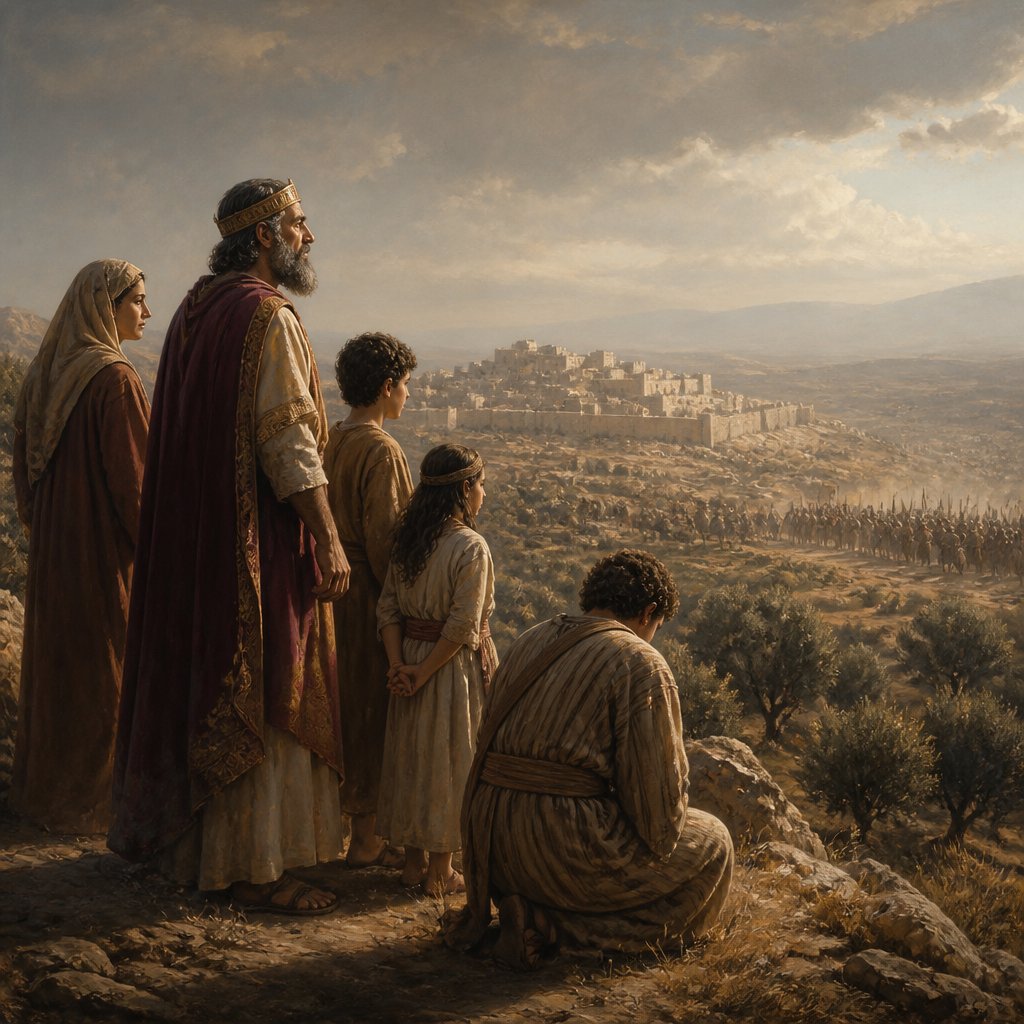
The Bible verse 2 Chronicles 20:11 from the King James Version (KJV) states: "Behold, I say, how they reward us, to come to cast us out of thy possession, which thou hast given us to inherit."
This verse is part of a larger story found in the book of 2 Chronicles, which deals with the reign of King Jehoshaphat of Judah. The chapter recounts a time when the nation was under threat from a coalition of enemy armies - the Moabites, Ammonites, and Meunites. King Jehoshaphat, upon learning of this imminent attack, immediately sought the Lord in prayer, seeking guidance and protection for his people.
The verse in question is part of Jehoshaphat's prayer to God as he pleads for deliverance from the approaching armies. In this prayer, Jehoshaphat acknowledges the faithlessness and disloyalty of those who seek to harm and dispossess the people of Judah. He refers to the enemies' actions as a reward, highlighting their evil intentions and ingratitude. Furthermore, he emphasizes the unfairness of being cast out of the possession that God had given to his people as an inheritance.
This verse reflects several important themes that are prevalent throughout the Bible. Firstly, it highlights the recurring theme of God's faithfulness and provision. The land of Judah, spoken of as a possession given by God to his people, symbolizes the promised land that was granted to the descendants of Abraham as part of God's covenant with Israel. Despite the threat of invasion and dispossession, King Jehoshaphat acknowledges God's sovereignty over their inheritance and appeals for his divine intervention.
Secondly, the verse underscores the theme of faith in times of adversity. King Jehoshaphat's prayer is an earnest plea for God's intervention in the face of overwhelming odds. His acknowledgement of the enemies' intentions and past faithfulness of God demonstrates a deep trust and reliance on God's protection and guidance. This theme of faith in the midst of trials and challenges is echoed throughout the Bible and serves as a powerful encouragement for believers to trust in God's sovereignty and provision.
The verse also conveys the theme of justice and righteousness. King Jehoshaphat's plea for deliverance is based on the unfairness of being cast out of the possession that was given to them by God. He appeals to God as the ultimate source of justice and righteousness in the face of the enemies' unjust actions. This theme underscores the belief that God is a just and righteous judge who will ultimately vindicate his people and uphold their rights.
Symbolically, the verse represents the spiritual battle that believers face in their lives. The enemies' attempt to dispossess the people of Judah serves as a metaphor for the spiritual attacks and opposition that Christians encounter as they seek to live out their faith. The possession and inheritance granted by God symbolize the blessings and promises of salvation that believers receive through Christ. King Jehoshaphat's prayer serves as a powerful reminder of the need to rely on God's strength and guidance in the face of spiritual warfare.
In conclusion, 2 Chronicles 20:11 from the King James Version of the Bible exemplifies themes of God's faithfulness, faith in times of adversity, and justice and righteousness. The verse serves as a powerful testament to the enduring relevance of these themes in the lives of believers and highlights the need to trust in God's provision and protection in the face of spiritual battles.
Have questions about 2 Chronicles 20:11?
Dive deeper into this scripture with Bible Chat — an AI-powered tool for exploring God's Word through conversation. Ask questions, get context, and grow in your understanding of the Bible.
Get Our Apps


2 Chronicles 20:11 Artwork

2 Chronicles 20:11 - "Behold, I say, how they reward us, to come to cast us out of thy possession, which thou hast given us to inherit."
"Behold, I say, how they reward us, to come to cast us out of thy possession, which thou hast given us to inherit." - 2 Chronicles 20:11

2 Chronicles 11:20

2 Chronicles 11:20 - "And after her he took Maachah the daughter of Absalom; which bare him Abijah, and Attai, and Ziza, and Shelomith."

2 Chronicles 20:37

2 Chronicles 20:28

2 Chronicles 20:21

2 Chronicles 20:18

Acts 20:11

2 Chronicles 30:20 - "And the LORD hearkened to Hezekiah, and healed the people."

2 Chronicles 35:11

2 Chronicles 11:2 - "But the word of the LORD came to Shemaiah the man of God, saying,"

2 Chronicles 11:8 - "And Gath, and Mareshah, and Ziph,"

2 Chronicles 11:9 - "And Adoraim, and Lachish, and Azekah,"

1 Chronicles 2:20 - "And Hur begat Uri, and Uri begat Bezaleel."

"And after her he took Maachah the daughter of Absalom; which bare him Abijah, and Attai, and Ziza, and Shelomith." - 2 Chronicles 11:20

2 Chronicles 11:7 - "And Beth-zur, and Shoco, and Adullam,"

2 Chronicles 11:11 - "And he fortified the strong holds, and put captains in them, and store of victual, and of oil and wine."

2 Chronicles 20:28 - "And they came to Jerusalem with psalteries and harps and trumpets unto the house of the LORD."

1 Chronicles 2:11 - "And Nahshon begat Salma, and Salma begat Boaz,"

2 Chronicles 20:13 - "And all Judah stood before the LORD, with their little ones, their wives, and their children."

2 Chronicles 32:20 - "And for this cause Hezekiah the king, and the prophet Isaiah the son of Amoz, prayed and cried to heaven."

2 Kings 20:20 - "¶ And the rest of the acts of Hezekiah, and all his might, and how he made a pool, and a conduit, and brought water into the city, are they not written in the book of the chronicles of the kings of Judah?"

2 Chronicles 11:19 - "Which bare him children; Jeush, and Shamariah, and Zaham."

2 Chronicles 11:5 - "¶ And Rehoboam dwelt in Jerusalem, and built cities for defence in Judah."

2 Chronicles 20:5 - "¶ And Jehoshaphat stood in the congregation of Judah and Jerusalem, in the house of the LORD, before the new court,"

2 Chronicles 20:8 - "And they dwelt therein, and have built thee a sanctuary therein for thy name, saying,"

2 Chronicles 11:6 - "He built even Beth-lehem, and Etam, and Tekoa,"

2 Chronicles 29:20 - "¶ Then Hezekiah the king rose early, and gathered the rulers of the city, and went up to the house of the LORD."

2 Chronicles 20:3 - "And Jehoshaphat feared, and set himself to seek the LORD, and proclaimed a fast throughout all Judah."