What does 2 Chronicles 1:2 mean?
"Then Solomon spake unto all Israel, to the captains of thousands and of hundreds, and to the judges, and to every governor in all Israel, the chief of the fathers." - 2 Chronicles 1:2
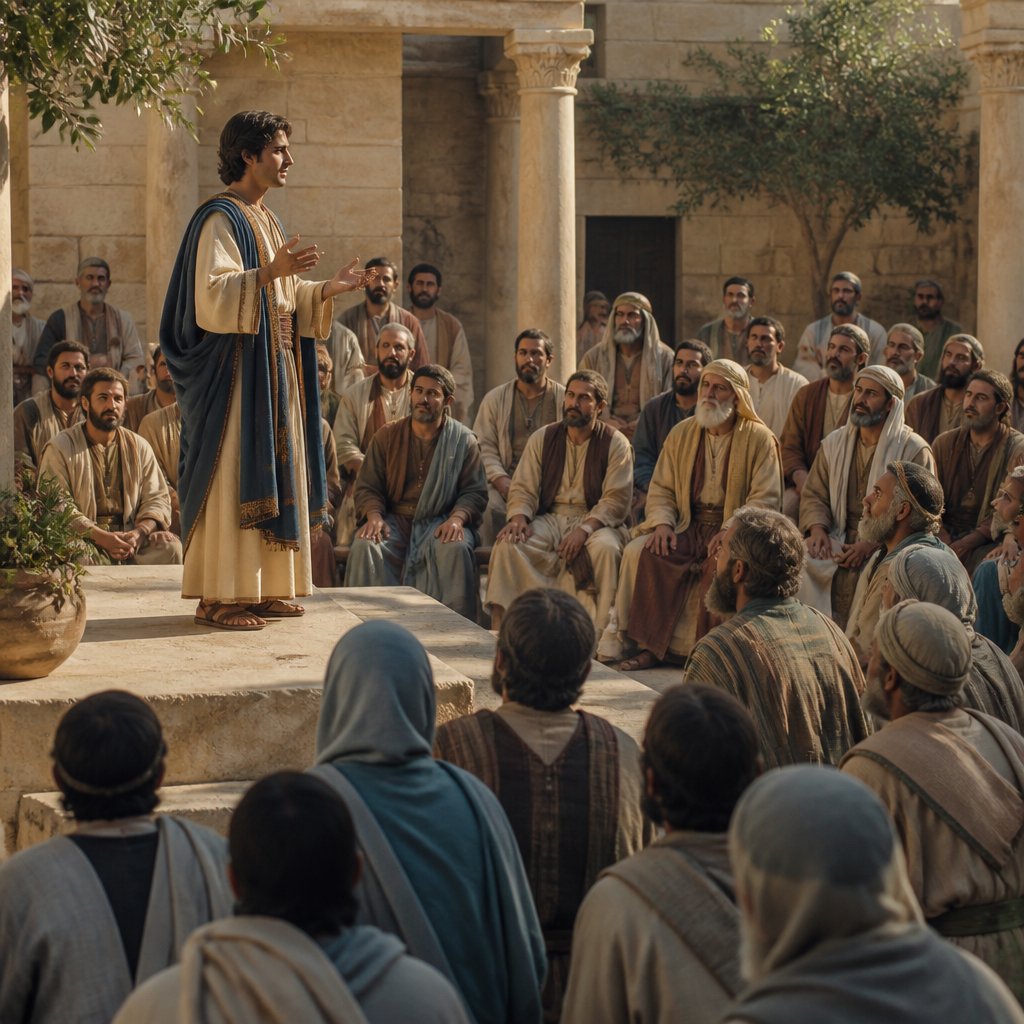
2 Chronicles 1:2 (KJV) reads, "Then Solomon spake unto all Israel, to the captains of thousands and of hundreds, and to the judges, and to every governor in all Israel, the chief of the fathers."
This verse comes from the book of 2 Chronicles, which is part of the historical books of the Old Testament. It follows the story of the Israelites, particularly the reigns of the kings of Judah, starting with Solomon, the son of David. In this verse, we see Solomon addressing all of Israel, including the military leaders, judges, and governors.
The context of this verse is essential for understanding its full meaning and significance. Solomon had just become king after his father, David, passed away. He inherited a unified and prosperous kingdom, and he was about to embark on an essential task: the building of the temple in Jerusalem. In this verse, Solomon addresses the leaders of his kingdom to gather their support and involvement in this monumental project.
One of the key themes in this verse is the idea of leadership and unity. Solomon, as the new king, is taking charge and demonstrating his ability to communicate effectively with the various leaders of Israel. He understands the importance of rallying their support and cooperation for the greater good of the nation. This theme of leadership and unity is essential not just for the building of the temple but for the overall well-being and success of the kingdom.
Another theme present in this verse is the idea of reverence and faith. Solomon's address to all Israel signifies his acknowledgment of the Lord's presence and guidance in the nation's affairs. By involving all the leaders in the process of building the temple, he is demonstrating a strong faith in God's plan for the nation. This act of faith sets the stage for the temple's construction, which is a central symbol of the Israelites' devotion to God.
The symbolism in this verse is also worth exploring. Solomon's address to the various leaders represents a unifying force within the kingdom. It symbolizes the idea that all members of the community, regardless of their status or role, have a part to play in the nation's spiritual and material progress. The involvement of the military leaders, judges, and governors signifies a holistic approach to leadership and governance, where each sector contributes to the greater good.
Furthermore, the mention of "the chief of the fathers" in this verse has symbolic significance. It signifies the importance of honoring and upholding the traditions and lineage of the Israelite people. This acknowledgment of the patriarchal lineages emphasizes the continuity and legacy of the Israelite nation, tying them back to their ancestors and the covenant with God.
In conclusion, 2 Chronicles 1:2 is a verse that holds significance in the broader context of the book of 2 Chronicles and the history of the Israelite nation. It introduces themes of leadership, unity, reverence, and symbolism that are crucial for understanding the spiritual and historical significance of Solomon's address to all Israel. This verse sets the stage for the monumental task of building the temple and lays the foundation for a united and faithful Israel under the reign of King Solomon.
Have questions about 2 Chronicles 1:2?
Dive deeper into this scripture with Bible Chat — an AI-powered tool for exploring God's Word through conversation. Ask questions, get context, and grow in your understanding of the Bible.
Get Our Apps


2 Chronicles 1:2 Artwork

2 Chronicles 1:2 - "Then Solomon spake unto all Israel, to the captains of thousands and of hundreds, and to the judges, and to every governor in all Israel, the chief of the fathers."
"Then Solomon spake unto all Israel, to the captains of thousands and of hundreds, and to the judges, and to every governor in all Israel, the chief of the fathers." - 2 Chronicles 1:2

1 Chronicles 2:2 - "Dan, Joseph, and Benjamin, Naphtali, Gad, and Asher."

1 Chronicles 1:2 - "Kenan, Mahalaleel, Jered,"

2 Chronicles 2:1 - "And Solomon determined to build an house for the name of the LORD, and an house for his kingdom."

2 Chronicles 4:22
2 Chronicles 31:1

2 Chronicles 31:1

1 Chronicles 2:8 - "And the sons of Ethan; Azariah."

"Kenan, Mahalaleel, Jered," - 1 Chronicles 1:2

1 Chronicles 8:2 - "Nohah the fourth, and Rapha the fifth."

1 Chronicles 2:5 - "The sons of Pharez; Hezron, and Hamul."

1 Chronicles 2:15 - "Ozem the sixth, David the seventh:"

1 Chronicles 2:14 - "Nethaneel the fourth, Raddai the fifth,"

1 Chronicles 2:1 - "These are the sons of Israel; Reuben, Simeon, Levi, and Judah, Issachar, and Zebulun,"

1 Chronicles 2:38 - "And Obed begat Jehu, and Jehu begat Azariah,"

1 Chronicles 2:41 - "And Shallum begat Jekamiah, and Jekamiah begat Elishama."

1 Chronicles 2:36 - "And Attai begat Nathan, and Nathan begat Zabad,"

1 Chronicles 2:11 - "And Nahshon begat Salma, and Salma begat Boaz,"

1 Chronicles 2:39 - "And Azariah begat Helez, and Helez begat Eleasah,"

1 Chronicles 2:48 - "Maachah, Caleb's concubine, bare Sheber, and Tirhanah."

1 Chronicles 2:43 - "And the sons of Hebron; Korah, and Tappuah, and Rekem, and Shema."

1 Chronicles 2:20 - "And Hur begat Uri, and Uri begat Bezaleel."

1 Chronicles 2:40 - "And Eleasah begat Sisamai, and Sisamai begat Shallum,"

1 Chronicles 6:2 - "And the sons of Kohath; Amram, Izhar, and Hebron, and Uzziel."

1 Chronicles 2:37 - "And Zabad begat Ephlal, and Ephlal begat Obed,"

1 Chronicles 2:12 - "And Boaz begat Obed, and Obed begat Jesse,"

1 Chronicles 2:33 - "And the sons of Jonathan; Peleth, and Zaza. These were the sons of Jerahmeel."

1 Chronicles 2:45 - "And the son of Shammai was Maon: and Maon was the father of Beth-zur."

"Dan, Joseph, and Benjamin, Naphtali, Gad, and Asher." - 1 Chronicles 2:2