What does 2 Chronicles 13:10 mean?
"But as for us, the LORD is our God, and we have not forsaken him; and the priests, which minister unto the LORD, are the sons of Aaron, and the Levites wait upon their business:" - 2 Chronicles 13:10
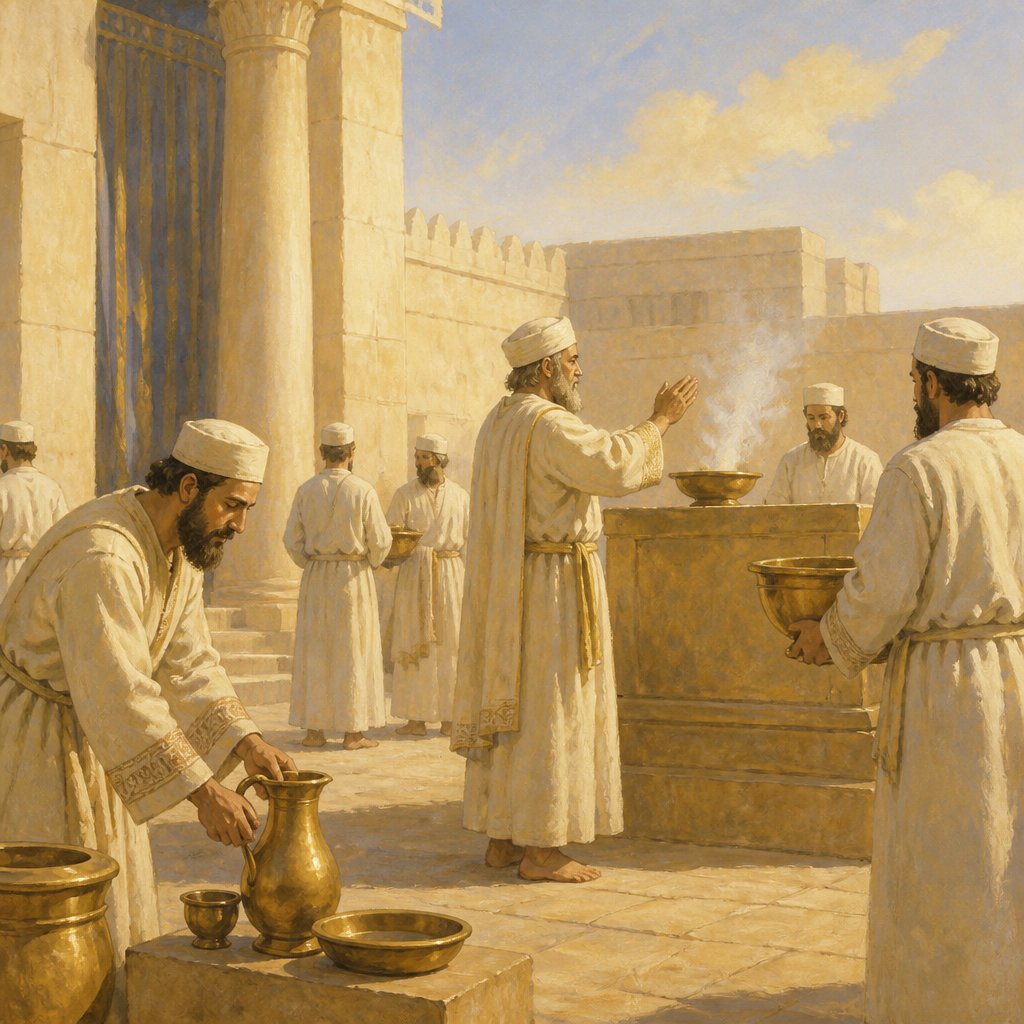
The Bible verse 2 Chronicles 13:10 in the King James Version reads, "But as for us, the Lord is our God, and we have not forsaken him; and the priests, which minister unto the Lord, are the sons of Aaron, and the Levites wait upon their business."
This verse is part of a speech given by Abijah, the son of Rehoboam, the king of Judah. Abijah is speaking to Jeroboam, the king of Israel, and their respective armies before they engage in battle. The context of this verse is a critical moment in the history of the divided kingdom of Israel, where Jeroboam and Abijah are vying for power and control.
The key theme of this verse is faithfulness and loyalty to God. Abijah asserts that the Lord is the God of Judah and that they have not forsaken Him. This declaration is significant in the context of the passage, as it serves as a reminder of the covenant relationship between God and His people. Abijah is emphasizing the central role of God in the life of the nation of Judah and their reliance on His protection and guidance.
The mention of the priests and Levites in this verse also underscores the religious and spiritual dimension of the conflict between Judah and Israel. The priests, who are descended from Aaron, and the Levites, who are entrusted with the service of the tabernacle, are highlighted as the religious authorities who minister unto the Lord. Their presence and involvement in the affairs of the kingdom demonstrate the integral connection between faith and governance in ancient Israel.
Furthermore, the verse conveys a message of divine authority and submission to God's will. By acknowledging the Lord as their God and affirming their allegiance to Him, Abijah is asserting the spiritual foundation of his leadership and the legitimacy of Judah's cause. This declaration of faith also serves as a call to righteousness and obedience to God's commandments, as the people of Judah prepare for battle.
Symbolically, the reference to the priests and Levites in this verse represents the spiritual power and authority that underpins the political and military conflict between the two kingdoms. The presence of the religious leaders in the narrative reflects the intertwining of religious and political institutions in ancient Israel and the significance of faith in shaping the destiny of the nation.
Moreover, the verse serves as a reminder of the enduring truth that God is the ultimate source of strength and victory. Abijah's declaration reaffirms the foundational belief in the sovereignty of God and His providential care for His people. It echoes the recurring theme in the Bible of trusting in God's faithfulness and seeking His guidance in times of trial and conflict.
In conclusion, 2 Chronicles 13:10 is a powerful statement of faith and allegiance to God in the historical context of the conflict between Judah and Israel. It highlights the central role of God in the life of the nation and the significance of religious devotion in shaping the course of events. The verse conveys a message of divine authority, submission to God's will, and reliance on His protection, serving as a timeless reminder of the enduring power of faith in the face of adversity.
Have questions about 2 Chronicles 13:10?
Dive deeper into this scripture with Bible Chat — an AI-powered tool for exploring God's Word through conversation. Ask questions, get context, and grow in your understanding of the Bible.
Get Our Apps


2 Chronicles 13:10 Artwork
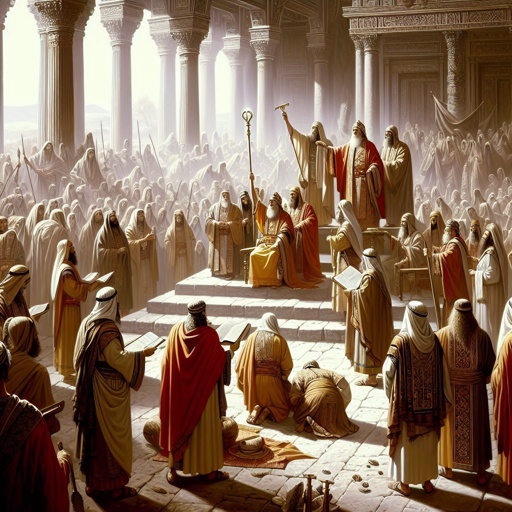
2 Chronicles 13:10 - "But as for us, the LORD is our God, and we have not forsaken him; and the priests, which minister unto the LORD, are the sons of Aaron, and the Levites wait upon their business:"
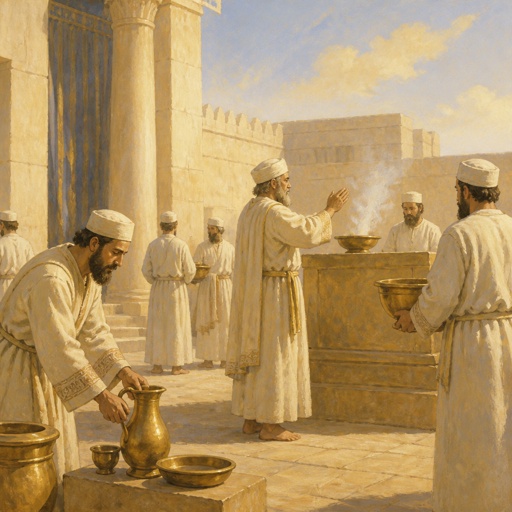
"But as for us, the LORD is our God, and we have not forsaken him; and the priests, which minister unto the LORD, are the sons of Aaron, and the Levites wait upon their business:" - 2 Chronicles 13:10

2 Chronicles 10:13 - "And the king answered them roughly; and king Rehoboam forsook the counsel of the old men,"

2 chronicles 13:12
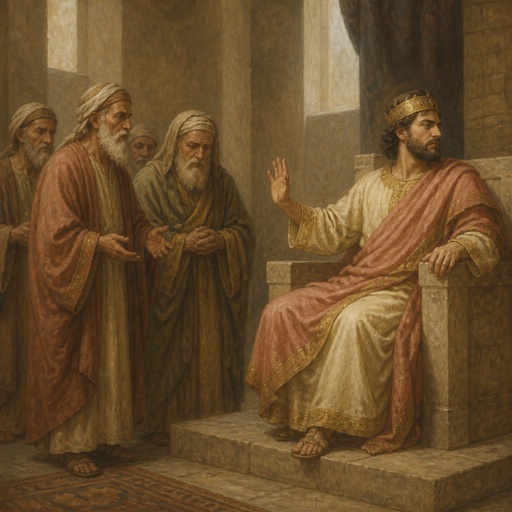
"And the king answered them roughly; and king Rehoboam forsook the counsel of the old men," - 2 Chronicles 10:13

2 Chronicles 6:13

2 Chronicles 23:10

2 Chronicles 23:10

2 Chronicles 30:10

2 Chronicles 35:10

2 Chronicles 2:13 - "And now I have sent a cunning man, endued with understanding, of Huram my father's,"

2 Chronicles 13:13 - "¶ But Jeroboam caused an ambushment to come about behind them: so they were before Judah, and the ambushment was behind them."

1 Chronicles 13:10 - "And the anger of the LORD was kindled against Uzza, and he smote him, because he put his hand to the ark: and there he died before God."

2 Chronicles 10:19 - "And Israel rebelled against the house of David unto this day."

2 Chronicles 29:13 - "And of the sons of Elizaphan; Shimri, and Jeiel: and of the sons of Asaph; Zechariah, and Mattaniah:"

2 Chronicles 13:1 - "Now in the eighteenth year of king Jeroboam began Abijah to reign over Judah."

2 Chronicles 33:10 - "And the LORD spake to Manasseh, and to his people: but they would not hearken."

2 Chronicles 20:13 - "And all Judah stood before the LORD, with their little ones, their wives, and their children."

2 Chronicles 13:16 - "And the children of Israel fled before Judah: and God delivered them into their hand."

1 Chronicles 2:13 - "¶ And Jesse begat his firstborn Eliab, and Abinadab the second, and Shimma the third,"

2 Chronicles 11:10 - "And Zorah, and Aijalon, and Hebron, which are in Judah and in Benjamin fenced cities."

1 Chronicles 2:10 - "And Ram begat Amminadab; and Amminadab begat Nahshon, prince of the children of Judah;"

2 Chronicles 16:13 - "¶ And Asa slept with his fathers, and died in the one and fortieth year of his reign."

2 Chronicles 11:13 - "¶ And the priests and the Levites that were in all Israel resorted to him out of all their coasts."

2 Chronicles 10:17 - "But as for the children of Israel that dwelt in the cities of Judah, Rehoboam reigned over them."

2 Chronicles 13:21 - "¶ But Abijah waxed mighty, and married fourteen wives, and begat twenty and two sons, and sixteen daughters."

2 Chronicles 4:10 - "And he set the sea on the right side of the east end, over against the south."

2 Chronicles 18:13 - "And Micaiah said, As the LORD liveth, even what my God saith, that will I speak."

2 Chronicles 13:22 - "And the rest of the acts of Abijah, and his ways, and his sayings, are written in the story of the prophet Iddo."

2 Chronicles 13:2 - "He reigned three years in Jerusalem. His mother's name also was Michaiah the daughter of Uriel of Gibeah. And there was war between Abijah and Jeroboam."