What does 2 Chronicles 12:12 mean?
"And when he humbled himself, the wrath of the LORD turned from him, that he would not destroy him altogether: and also in Judah things went well." - 2 Chronicles 12:12
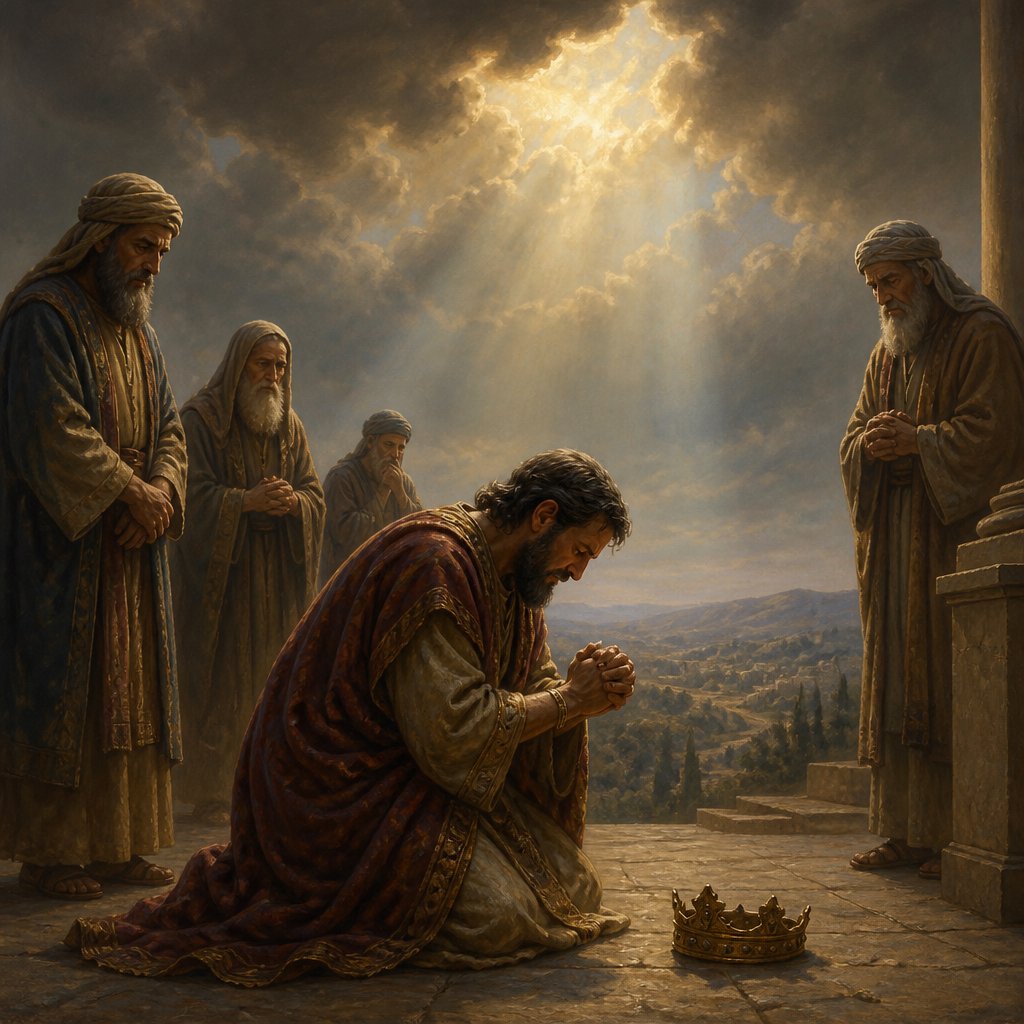
2 Chronicles 12:12 (KJV) states, "And when he humbled himself, the wrath of the Lord turned from him, that he would not destroy him altogether: and also in Judah things went well."
This verse is a part of the Old Testament, specifically within the historical books of Chronicles, which narrates the history of the kings of Judah. This particular verse is a part of the story of King Rehoboam, the son of King Solomon. Rehoboam's reign was marked by a lack of faithfulness to God, which led to the division of the kingdom of Israel. In 2 Chronicles 12, the narrative describes how Rehoboam abandoned the law of the Lord, and as a result, the Kingdom of Judah was attacked and plundered by Shishak, the king of Egypt. It is in this context that the verse 2 Chronicles 12:12 is situated.
The verse carries several themes and significances that are emblematic of the nature of God, the consequences of disobedience, and the power of repentance.
Firstly, the verse underscores God's mercy and forgiveness. Despite Rehoboam's unfaithfulness and the consequent invasion of Judah, the verse indicates that when Rehoboam humbled himself, the wrath of the Lord turned from him. This emphasizes the compassionate and forgiving nature of God, who is willing to relent from bringing destruction upon those who genuinely repent and turn back to Him. This demonstrates that God's justice is always tempered with mercy and that He is willing to forgive and restore those who seek Him with a contrite heart.
Additionally, the verse also highlights the consequences of disobedience. Rehoboam's abandonment of the law of the Lord resulted in the invasion and plundering of the kingdom by a foreign power. This serves as a testament to the principle of sowing and reaping, where disobedience and unfaithfulness inevitably lead to adverse outcomes. It serves as a reminder of the importance of adhering to God's commands and remaining faithful to Him in order to avoid the consequences of disobedience.
Moreover, the verse signifies the power of humility and repentance. Rehoboam's act of humbling himself before the Lord is what led to the turning away of God's wrath. This reflects the biblical principle that true repentance and humility have the power to appease God and alter the course of events. It exemplifies the transformative nature of genuine contrition and the importance of acknowledging one's faults and seeking reconciliation with God.
In the broader context of the narrative, the verse also symbolizes the restoration of Judah. Following Rehoboam's repentance, the verse states that things went well in Judah. This signifies that the turning away of God's wrath and the subsequent restoration of Rehoboam's relationship with God led to the well-being and prosperity of the kingdom. This reinforces the message that obedience and faithfulness to God lead to blessings and prosperity, while disobedience results in dire consequences.
In conclusion, 2 Chronicles 12:12 encapsulates a profound message about the nature of God, the consequences of disobedience, and the power of repentance. It serves as a powerful reminder of God's mercy and forgiveness, the repercussions of unfaithfulness, and the transformative power of humility and repentance. The verse holds timeless truths that continue to resonate and inspire believers to seek reconciliation with God and remain faithful to His commands.
Have questions about 2 Chronicles 12:12?
Dive deeper into this scripture with Bible Chat — an AI-powered tool for exploring God's Word through conversation. Ask questions, get context, and grow in your understanding of the Bible.
Get Our Apps


2 Chronicles 12:12 Artwork

2 Chronicles 12:12 - "And when he humbled himself, the wrath of the LORD turned from him, that he would not destroy him altogether: and also in Judah things went well."
"And when he humbled himself, the wrath of the LORD turned from him, that he would not destroy him altogether: and also in Judah things went well." - 2 Chronicles 12:12

2 chronicles 13:12

1 Chronicles 2:12 - "And Boaz begat Obed, and Obed begat Jesse,"

2 Chronicles 12:6 - "Whereupon the princes of Israel and the king humbled themselves; and they said, The LORD is righteous."

2 Chronicles 12:4 - "And he took the fenced cities which pertained to Judah, and came to Jerusalem."

1 Chronicles 12:12 - "Johanan the eighth, Elzabad the ninth,"

2 Chronicles 17:12 - "¶ And Jehoshaphat waxed great exceedingly; and he built in Judah castles, and cities of store."

2 Chronicles 14:12 - "So the LORD smote the Ethiopians before Asa, and before Judah; and the Ethiopians fled."

2 Chronicles 15:12 - "And they entered into a covenant to seek the LORD God of their fathers with all their heart and with all their soul;"

2 Chronicles 12:14 - "And he did evil, because he prepared not his heart to seek the LORD."

2 Chronicles 12:8 - "Nevertheless they shall be his servants; that they may know my service, and the service of the kingdoms of the countries."

2 Chronicles 22:12 - "And he was with them hid in the house of God six years: and Athaliah reigned over the land."

2 Kings 12:19 - "¶ And the rest of the acts of Joash, and all that he did, are they not written in the book of the chronicles of the kings of Judah?"

2 Chronicles 26:12 - "The whole number of the chief of the fathers of the mighty men of valour were two thousand and six hundred."

2 Chronicles 12:16 - "And Rehoboam slept with his fathers, and was buried in the city of David: and Abijah his son reigned in his stead."

2 Chronicles 6:12 - "¶ And he stood before the altar of the LORD in the presence of all the congregation of Israel, and spread forth his hands:"

2 Chronicles 8:12 - "¶ Then Solomon offered burnt offerings unto the LORD on the altar of the LORD, which he had built before the porch,"

2 Chronicles 12:2 - "And it came to pass, that in the fifth year of king Rehoboam Shishak king of Egypt came up against Jerusalem, because they had transgressed against the LORD,"

2 Chronicles 30:12 - "Also in Judah the hand of God was to give them one heart to do the commandment of the king and of the princes, by the word of the LORD."

2 Chronicles 12:11 - "And when the king entered into the house of the LORD, the guard came and fetched them, and brought them again into the guard chamber."

2 Chronicles 23:12 - "¶ Now when Athaliah heard the noise of the people running and praising the king, she came to the people into the house of the LORD:"

2 Chronicles 33:12 - "And when he was in affliction, he besought the LORD his God, and humbled himself greatly before the God of his fathers,"

2 Chronicles 31:12 - "And brought in the offerings and the tithes and the dedicated things faithfully: over which Cononiah the Levite was ruler, and Shimei his brother was the next."

2 Chronicles 2:12 (KJVA) 12 Huram said moreover, Blessed be the LORD God of Israel, that made heaven and earth, who hath given to David the king a wise son, endued with prudence and understanding, that might build an house for the LORD, and an house for his kingdom.

"Johanan the eighth, Elzabad the ninth," - 1 Chronicles 12:12

2 Chronicles 10:12 - "So Jeroboam and all the people came to Rehoboam on the third day, as the king bade, saying, Come again to me on the third day."
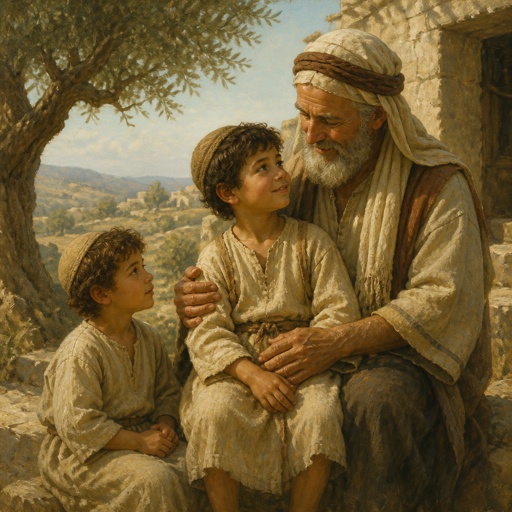
"And Boaz begat Obed, and Obed begat Jesse," - 1 Chronicles 2:12

2 Chronicles 12:10 - "Instead of which king Rehoboam made shields of brass, and committed them to the hands of the chief of the guard, that kept the entrance of the king's house."
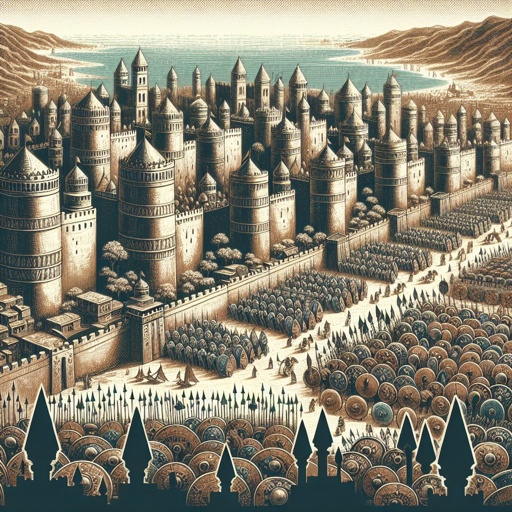
2 Chronicles 11:12 - "And in every several city he put shields and spears, and made them exceeding strong, having Judah and Benjamin on his side."