What does 2 Chronicles 10:9 mean?
"And he said unto them, What advice give ye that we may return answer to this people, which have spoken to me, saying, Ease somewhat the yoke that thy father did put upon us?" - 2 Chronicles 10:9
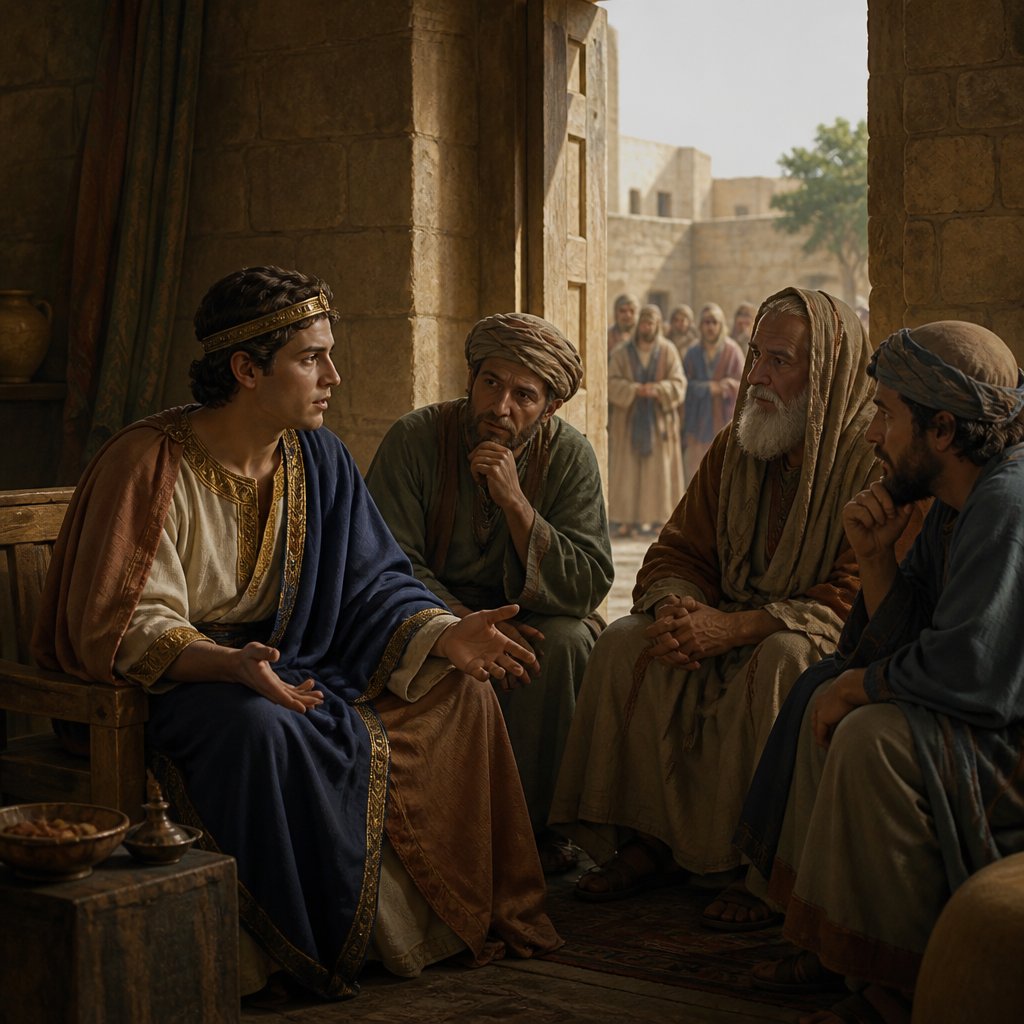
The verse 2 Chronicles 10:9 in the King James Version of the Bible reads, "And he said unto them, What advice give ye that we may return answer to this people, which have spoken to me, saying, Ease somewhat the yoke that thy father did put upon us?" This verse is part of a larger narrative that recounts the reign of Rehoboam, the son of Solomon, and his response to the people's request for relief from heavy taxes and labor.
In this verse, Rehoboam seeks advice from his advisors on how to respond to the people who are asking for relief from the heavy burdens imposed on them by his father, Solomon. The phrase "Ease somewhat the yoke that thy father did put upon us" reflects the people's desire for a lighter load and a more just and compassionate rule.
The context of this verse is crucial for understanding its meaning. After the death of King Solomon, his son Rehoboam ascended to the throne. The people, feeling oppressed by the heavy taxes and forced labor imposed by Solomon, approached Rehoboam and pleaded for relief. In response, Rehoboam sought counsel from the elders who had served his father, as well as from the younger men who had grown up with him. The elders advised him to show compassion and humility, while the younger men urged him to assert his authority with even harsher measures.
The themes present in this verse include leadership, governance, justice, and compassion. Rehoboam's dilemma highlights the challenges of leadership and the importance of wise counsel in making decisions that affect the well-being of the people. The request for "ease" from the heavy yoke also speaks to the universal human desire for relief from oppression and a longing for justice and fairness in governance.
Symbolically, the "yoke" mentioned in the verse represents the burdens and hardships imposed on the people. In biblical imagery, the yoke often symbolizes servitude, oppression, or bondage. By asking for relief from the yoke, the people are expressing their desire to be free from the heavy burdens placed upon them by the ruling authorities. This symbolizes the broader human longing for freedom from oppression and a yearning for justice and compassion from those in positions of power.
The verse also raises questions about the nature of leadership and the responsibilities of those in power. It prompts us to consider how leaders should respond to the cries of the oppressed and marginalized, and what role compassion and justice should play in governance.
In conclusion, 2 Chronicles 10:9 captures a pivotal moment in biblical history, illustrating the challenges of leadership and the complexities of governance. The verse highlights the human longing for justice and relief from oppression, as well as the importance of wise counsel and compassion in leadership. It invites readers to reflect on the timeless themes of justice, compassion, and the responsibilities of those in positions of power.
Have questions about 2 Chronicles 10:9?
Dive deeper into this scripture with Bible Chat — an AI-powered tool for exploring God's Word through conversation. Ask questions, get context, and grow in your understanding of the Bible.
Get Our Apps


2 Chronicles 10:9 Artwork
2 Chronicles 10:9 - "And he said unto them, What advice give ye that we may return answer to this people, which have spoken to me, saying, Ease somewhat the yoke that thy father did put upon us?"
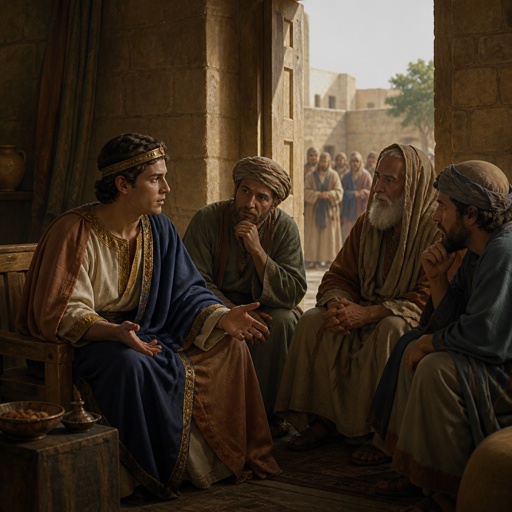
"And he said unto them, What advice give ye that we may return answer to this people, which have spoken to me, saying, Ease somewhat the yoke that thy father did put upon us?" - 2 Chronicles 10:9

2 Chronicles 9:10 - "And the servants also of Huram, and the servants of Solomon, which brought gold from Ophir, brought algum trees and precious stones."

1 Chronicles 9:10 - "¶ And of the priests; Jedaiah, and Jehoiarib, and Jachin,"

2 Chronicles 18:9

2 Chronicles 21:9

2 Chronicles 18:9

2 Chronicles 23:10

2 Chronicles 23:10

2 Chronicles 30:10

2 Chronicles 35:10

2 Chronicles 11:9 - "And Adoraim, and Lachish, and Azekah,"
"¶ And of the priests; Jedaiah, and Jehoiarib, and Jachin," - 1 Chronicles 9:10

1 Chronicles 10:9 - "And when they had stripped him, they took his head, and his armour, and sent into the land of the Philistines round about, to carry tidings unto their idols, and to the people."

2 Chronicles 10:19 - "And Israel rebelled against the house of David unto this day."

2 Chronicles 31:9 - "Then Hezekiah questioned with the priests and the Levites concerning the heaps."

Titus 2:9-10

Titus 2:9-10

2 Chronicles 33:10 - "And the LORD spake to Manasseh, and to his people: but they would not hearken."

2 Chronicles 9:30 - "And Solomon reigned in Jerusalem over all Israel forty years."

2 Chronicles 9:22 - "And king Solomon passed all the kings of the earth in riches and wisdom."

2 Chronicles 11:10 - "And Zorah, and Aijalon, and Hebron, which are in Judah and in Benjamin fenced cities."

2 Chronicles 9:2 - "And Solomon told her all her questions: and there was nothing hid from Solomon which he told her not."

2 Chronicles 10:13 - "And the king answered them roughly; and king Rehoboam forsook the counsel of the old men,"
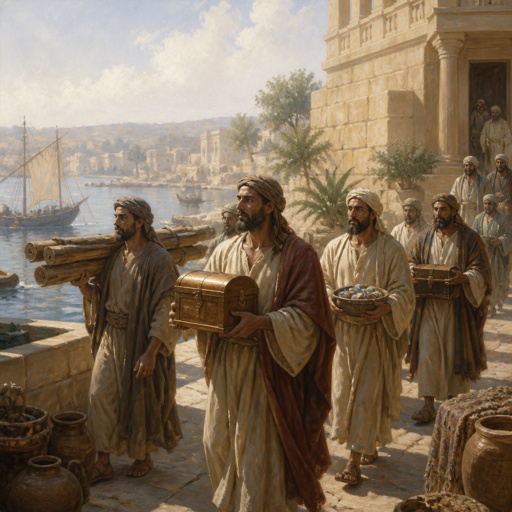
"And the servants also of Huram, and the servants of Solomon, which brought gold from Ophir, brought algum trees and precious stones." - 2 Chronicles 9:10
2 Corinthians 12:9-10

2 Chronicles 10:1 - "And Rehoboam went to Shechem: for to Shechem were all Israel come to make him king."

2 Chronicles 9:28 - "And they brought unto Solomon horses out of Egypt, and out of all lands."

2 Chronicles 10:5 - "And he said unto them, Come again unto me after three days. And the people departed."

2 Chronicles 2:9 - "Even to prepare me timber in abundance: for the house which I am about to build shall be wonderful great."