What does 1 Timothy 2:3 mean?
"For this is good and acceptable in the sight of God our Saviour;" - 1 Timothy 2:3
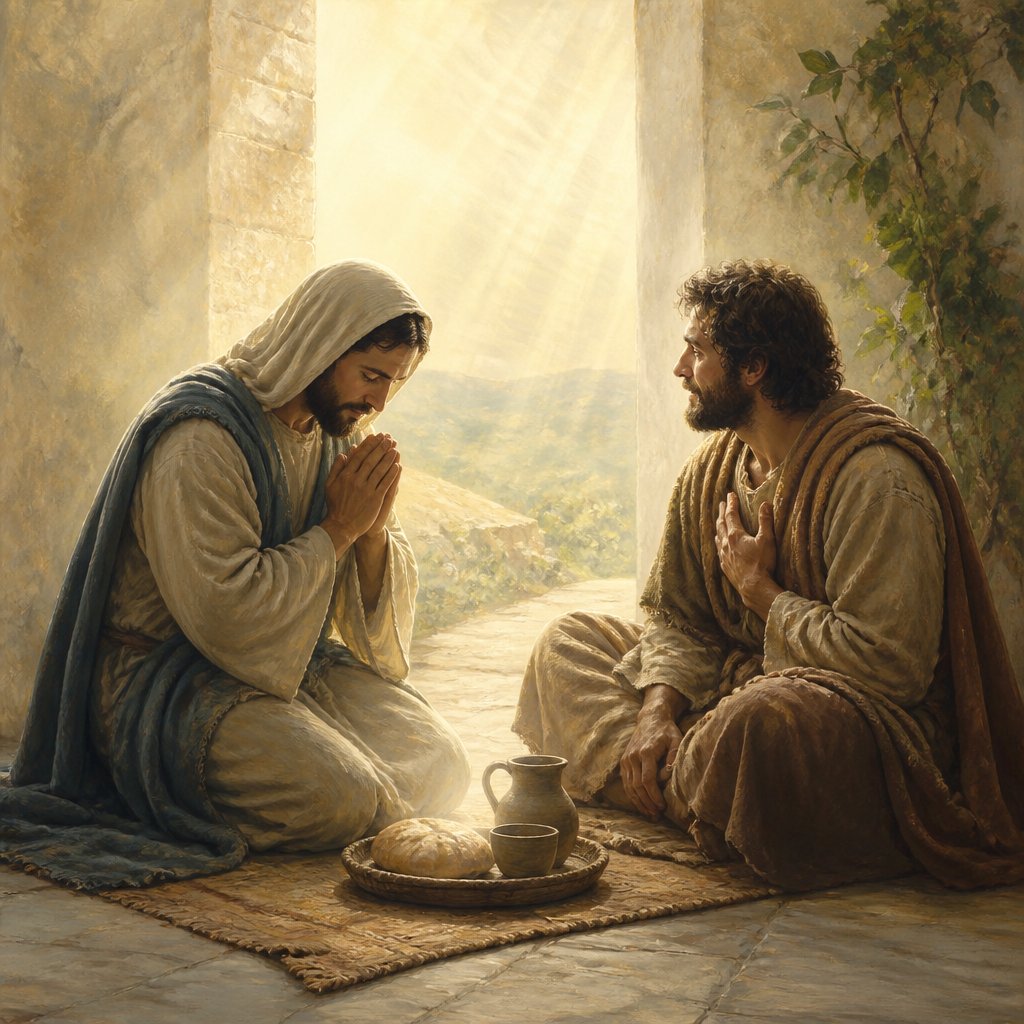
1 Timothy 2:3 (KJV) states: "For this is good and acceptable in the sight of God our Savior;"
In this verse, the Apostle Paul is writing a letter to Timothy, who was the pastor of the church in Ephesus. Paul is giving Timothy instructions on how to lead the church and urging him to teach the truth and promote godly living among the members of the congregation. This verse specifically is emphasizing the importance of prayer and intercession for all people, which is pleasing to God.
The verse begins with the phrase "For this is good," indicating that the content that follows is something that is morally right and beneficial. What is good according to Paul? It is the act of praying for all people, which is not only good but also "acceptable in the sight of God our Savior." Here, Paul emphasizes that prayer is not only a mere ritual or duty, but it is something that pleases God. It shows our submission to His will and our desire to seek His intervention in the lives of others.
The "Savior" mentioned in this verse refers to Jesus Christ, who is the Savior of the world. By addressing God as our Savior, Paul reminds Timothy and the believers in Ephesus of the redemptive work that God has accomplished through Jesus. Our prayers are acceptable to God because they are made possible through the mediation of Christ, who intercedes on our behalf.
One of the key themes of this verse is the universal scope of prayer. Paul emphasizes that prayers should be made for all people. This inclusivity is a profound reminder that God's love and mercy extend to all, regardless of race, nationality, or social status. It challenges believers to go beyond their immediate circle and pray for the salvation and well-being of all people, including those who may be considered enemies or opposed to the gospel.
The context of this verse also includes the cultural and social dynamics of the Ephesian church. In the ancient world, there were clear distinctions between different social groups, and the idea of praying for all people, including rulers and authorities, may have been a radical concept. Paul's instruction reflects the transformative power of the gospel, which breaks down barriers and promotes unity and love for all.
Additionally, the verse carries symbolism in its emphasis on prayer as an essential aspect of the Christian life. Prayer is portrayed as an act that is "good and acceptable in the sight of God," signifying its significance in cultivating a close relationship with God and aligning our will with His. It symbolizes our dependence on God and our acknowledgment of His sovereignty over all things.
In conclusion, 1 Timothy 2:3 is a powerful reminder of the importance of prayer and intercession for all people. It underscores the universal scope of God's love and the transformative power of the gospel, which transcends cultural and social barriers. It challenges believers to engage in prayer as an act that is not only beneficial but also pleasing to God, as it reflects our submission to His will and our desire for the well-being and salvation of all people. This verse serves as a timeless reminder for Christians to embrace a spirit of inclusivity and to cultivate a lifestyle of prayer that reflects God's heart for the world.
Have questions about 1 Timothy 2:3?
Dive deeper into this scripture with Bible Chat — an AI-powered tool for exploring God's Word through conversation. Ask questions, get context, and grow in your understanding of the Bible.
Get Our Apps


1 Timothy 2:3 Artwork

1 Timothy 2:3 - "For this is good and acceptable in the sight of God our Saviour;"

1 Timothy 2:3-4 - "For this is good and acceptable in the sight of God our Saviour; Who will have all men to be saved, and to come unto the knowledge of the truth."

"For this is good and acceptable in the sight of God our Saviour;" - 1 Timothy 2:3
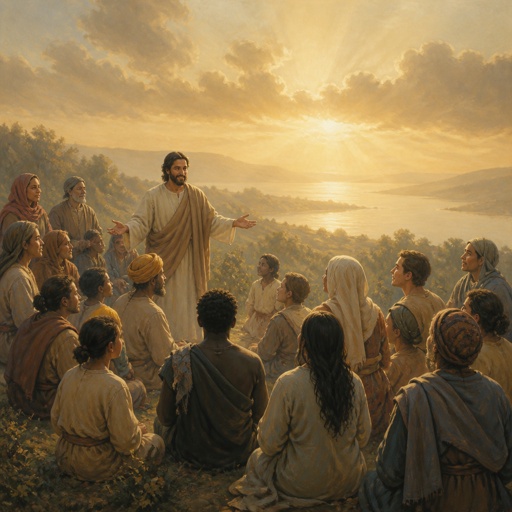
"For this is good and acceptable in the sight of God our Saviour; Who will have all men to be saved, and to come unto the knowledge of the truth." - 1 Timothy 2:3-4

2 Timothy 3:1 - "This know also, that in the last days perilous times shall come."

1 Timothy 2:8

1 Timothy 3:2 - "A bishop then must be blameless, the husband of one wife, vigilant, sober, of good behaviour, given to hospitality, apt to teach;"

1 Timothy 2:1-7

2 Timothy 3:16

1 Timothy 2:1-7

1 Timothy 3:16

1 Timothy 3:15

2 Timothy 2:3 - "Thou therefore endure hardness, as a good soldier of Jesus Christ."

2 Timothy 2:22

2 Timothy 3:5 - “Having a form of godliness, but denying the power thereof: from such turn away."

1 Timothy 5:3 - "Honour widows that are widows indeed."

2 Timothy 3:3 - "Without natural affection, trucebreakers, false accusers, incontinent, fierce, despisers of those that are good,"

"This know also, that in the last days perilous times shall come." - 2 Timothy 3:1

2 Timothy 2:15

1 Timothy 3:3 - "Not given to wine, no striker, not greedy of filthy lucre; but patient, not a brawler, not covetous;"

1 Timothy 3:9 - "Holding the mystery of the faith in a pure conscience."

2 Timothy 1:2 - "To Timothy, my dearly beloved son: Grace, mercy, and peace, from God the Father and Christ Jesus our Lord."
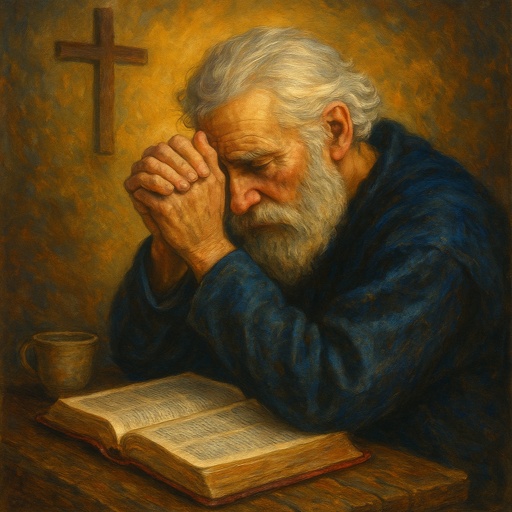
"I thank God, whom I serve from my forefathers with pure conscience, that without ceasing I have remembrance of thee in my prayers night and day;" - 2 Timothy 1:3

2 Timothy 3:7 - "Ever learning, and never able to come to the knowledge of the truth."

2 Timothy 1:3 - "I thank God, whom I serve from my forefathers with pure conscience, that without ceasing I have remembrance of thee in my prayers night and day;"

1 Timothy 2:13 - "For Adam was first formed, then Eve."

1 Timothy 1:2 - "Unto Timothy, my own son in the faith: Grace, mercy, and peace, from God our Father and Jesus Christ our Lord."

1 Timothy 2:10 - "But (which becometh women professing godliness) with good works."

1 Timothy 3:1 - "This is a true saying, If a man desire the office of a bishop, he desireth a good work."

2 Timothy 3:2 - "For men shall be lovers of their own selves, covetous, boasters, proud, blasphemers, disobedient to parents, unthankful, unholy,"