What does 1 Timothy 2:12 mean?
"But I suffer not a woman to teach, nor to usurp authority over the man, but to be in silence." - 1 Timothy 2:12
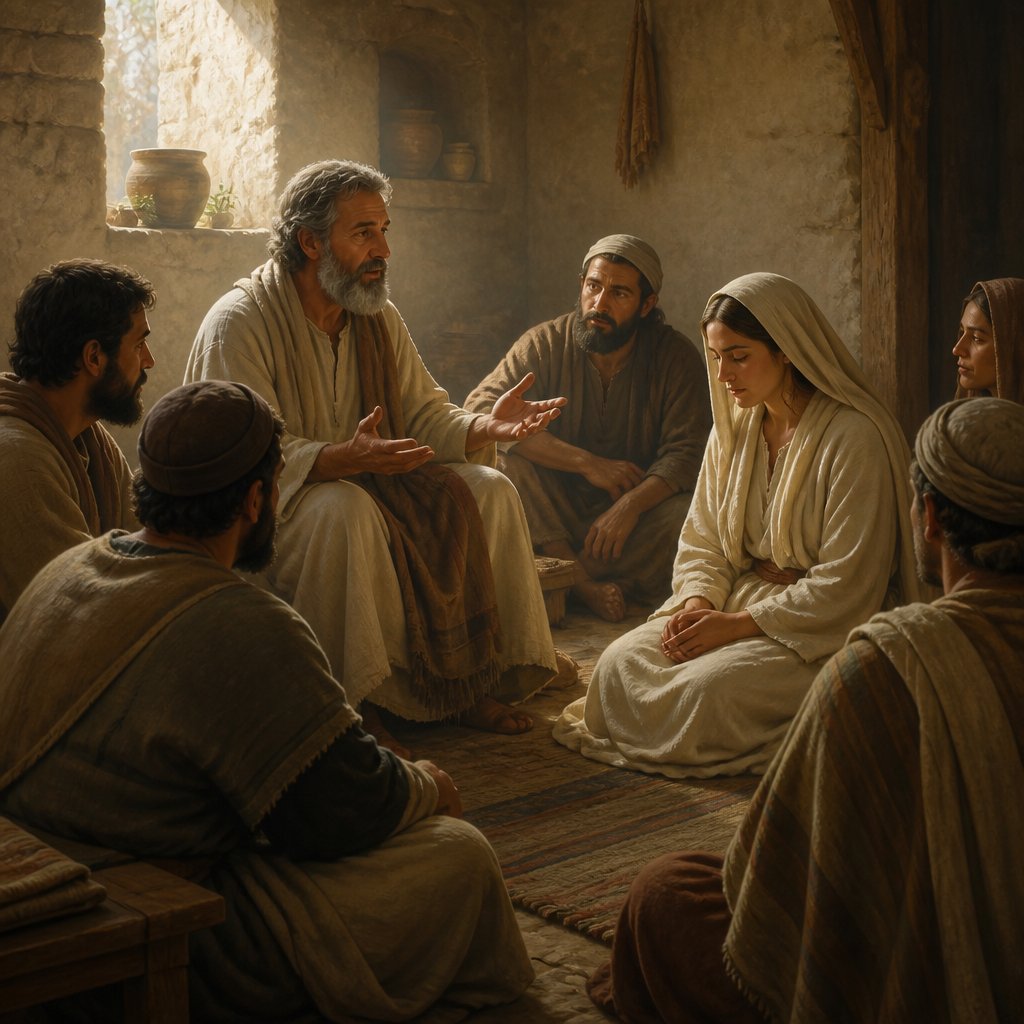
1 Timothy 2:12 in the King James Version (KJV) of the Bible states, "But I suffer not a woman to teach, nor to usurp authority over the man, but to be in silence." This verse has had a significant impact on the role of women in the church and has been the subject of debate and controversy for centuries.
In order to fully understand the meaning and implications of this verse, it is important to consider the context in which it was written. The book of 1 Timothy was written by the apostle Paul to his young disciple Timothy, who was serving as a leader in the church at Ephesus. Paul's purpose in writing this letter was to provide Timothy with guidance on how to address false teachings and maintain order within the church.
In the verses leading up to 1 Timothy 2:12, Paul addresses the issue of public worship and prayer, emphasizing the importance of modesty and submission. He also discusses the roles of men and women within the church, setting forth guidelines for their behavior. In 1 Timothy 2:11-12, Paul specifically addresses the conduct of women in the church, stating that they should not teach or have authority over men, but should instead be in silence.
The specific language used in this verse has long been a point of contention, as some have interpreted it to mean that women are not allowed to hold positions of leadership or authority within the church. Others argue that this verse should be understood in its historical and cultural context, and that it does not necessarily prohibit women from exercising leadership roles.
One theme that can be gleaned from this verse is the idea of submission and order within the church. Paul's instructions to Timothy can be seen as an attempt to maintain a sense of authority and structure within the church community. By emphasizing the need for women to be in submission and not to teach or have authority over men, Paul was likely trying to prevent disruptive behavior and maintain a sense of order within the church.
Another theme that arises from this verse is the issue of gender roles and equality within the church. In many traditional interpretations of this verse, women are seen as being subordinate to men and are restricted from participating in certain leadership roles. This has led to significant debate and discussion about the extent to which gender should play a role in the church and whether women should have the same opportunities for leadership and ministry as men.
In addition to these themes, 1 Timothy 2:12 also carries significant symbolic weight within the broader context of the Bible. The role of women in the church has been a recurring theme throughout the Bible, with various passages addressing the behavior and responsibilities of women in the church community. As such, this verse can be seen as part of a larger conversation about the role of women in religious practice and the extent to which they should be included in leadership and teaching roles.
In conclusion, 1 Timothy 2:12 has long been a point of contention and debate within the Christian church. Its language and implications continue to be the subject of interpretation and discussion, with different individuals and denominations offering varying perspectives on its meaning. As a result, this verse serves as a significant point of reflection and consideration for those seeking to understand the role of women in the church and the broader implications of gender within religious practice.
Have questions about 1 Timothy 2:12?
Dive deeper into this scripture with Bible Chat — an AI-powered tool for exploring God's Word through conversation. Ask questions, get context, and grow in your understanding of the Bible.
Get Our Apps


1 Timothy 2:12 Artwork

1 Timothy 2:12 - "But I suffer not a woman to teach, nor to usurp authority over the man, but to be in silence."
"But I suffer not a woman to teach, nor to usurp authority over the man, but to be in silence." - 1 Timothy 2:12

1 Timothy 2:8

1 Timothy 2:1-7

1 Timothy 2:1-2 - "I urge, then, first of all, that petitions, prayers, intercession and thanksgiving be made for all people— for kings and all those in authority, that we may live peaceful and quiet lives in all godliness and holiness."

1 Timothy 2:1-7

2 Timothy 4:12 - "And Tychicus have I sent to Ephesus."

2 Timothy 2:22

2 Timothy 2:15

2 Timothy 1:2 - "To Timothy, my dearly beloved son: Grace, mercy, and peace, from God the Father and Christ Jesus our Lord."

2 Timothy 3:12 - "Yea, and all that will live godly in Christ Jesus shall suffer persecution."

2 Timothy 2:12 - "If we suffer, we shall also reign with him: if we deny him, he also will deny us:"

1 Timothy 2:13 - "For Adam was first formed, then Eve."

1 Timothy 1:2 - "Unto Timothy, my own son in the faith: Grace, mercy, and peace, from God our Father and Jesus Christ our Lord."

1 Timothy 2:10 - "But (which becometh women professing godliness) with good works."

2 Timothy 1:7

2 Timothy 1:7

2 Timothy 1:7

2 Timothy 1:7

2 Timothy 1:7

2 Timothy 1:7

2 Timothy 1:7

2 Timothy 1:7

2 Timothy 1:7

2 Timothy 1:7

2 Timothy 1:7

2 Timothy 1:7

2 Timothy 1:7

2 Timothy 1:7

2 Timothy 1:7