What does 1 Timothy 1:15-16 mean?
"15 This is a faithful saying, and worthy of all acceptation, that Christ Jesus came into the world to save sinners; of whom I am chief. 16 Howbeit for this cause I obtained mercy, that in me first Jesus Christ might shew forth all longsuffering, for a pattern to them which should hereafter believe on him to life everlasting." - 1 Timothy 1:15-16
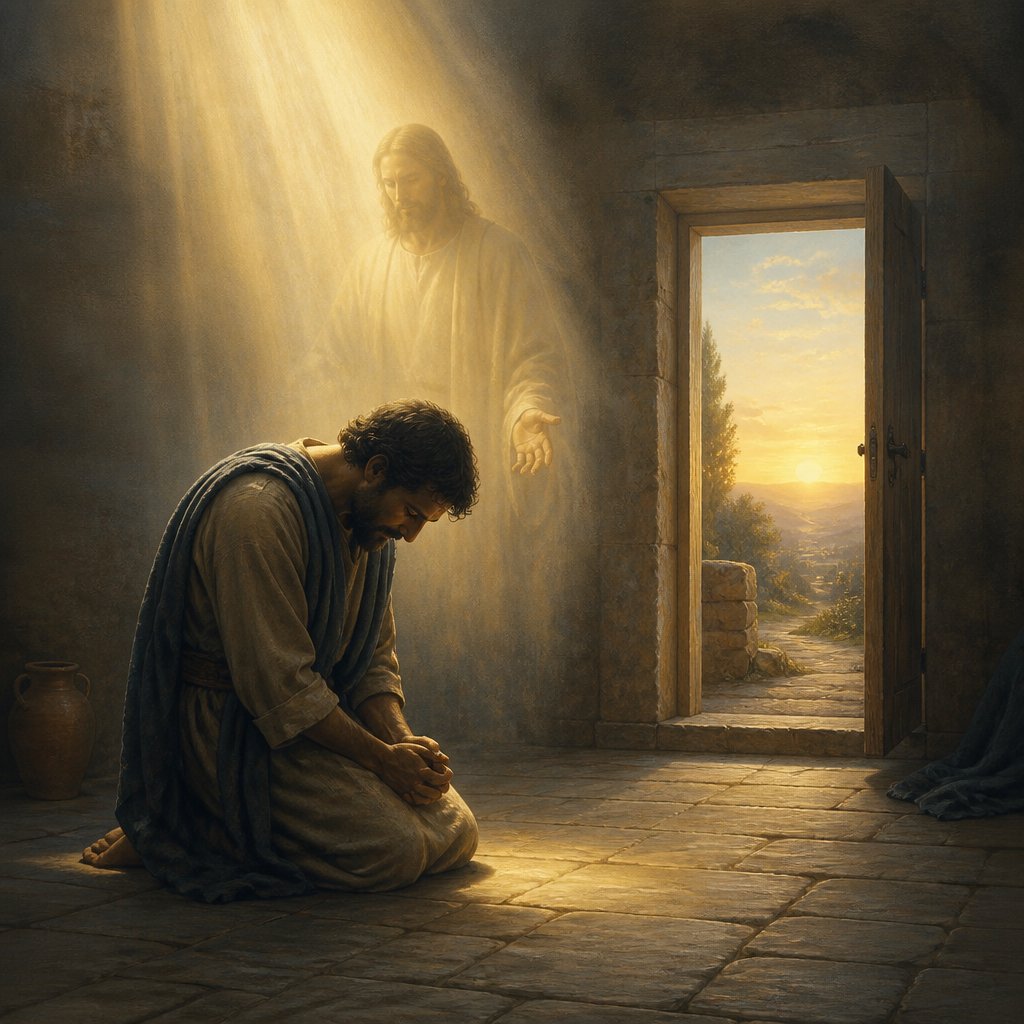
The Bible verse 1 Timothy 1:15-16 in the King James Version says, "This is a faithful saying, and worthy of all acceptation, that Christ Jesus came into the world to save sinners; of whom I am chief. Howbeit for this cause I obtained mercy, that in me first Jesus Christ might shew forth all longsuffering, for a pattern to them which should hereafter believe on him to life everlasting."
This verse is part of a letter written by the apostle Paul to Timothy, whom he had left in Ephesus to oversee the church there. In this particular verse, Paul is emphasizing the message that Christ came into the world to save sinners, and that he, Paul, is a prime example of the mercy and grace that Christ offers.
The verse begins with the phrase "This is a faithful saying, and worthy of all acceptation", indicating that what follows is a trustworthy and important message. Paul then reiterates the core message of Christianity – that Jesus Christ came into the world to save sinners. This message is central to the Christian faith, as it speaks of God's love and compassion for humanity, and His desire to bring salvation and redemption to all those who believe in Him.
Paul goes on to declare himself as the chief of sinners, acknowledging his own past as a persecutor of the church before his conversion. This declaration serves to highlight the depth of God's mercy, as even someone as sinful as Paul could be transformed by the saving power of Christ. This serves as a powerful encouragement to believers, reminding them that no one is beyond the reach of God's grace.
The verse then continues with the statement, "Howbeit for this cause I obtained mercy, that in me first Jesus Christ might shew forth all longsuffering, for a pattern to them which should hereafter believe on him to life everlasting." Here, Paul explains that the reason he received mercy and was transformed by Christ was so that he could serve as an example or pattern for future believers. His life and conversion would illustrate the incredible patience and longsuffering of Christ, as well as the potential for transformation and new life in Him.
The themes present in this verse are profound and timeless. The first and most obvious theme is that of God's love, grace, and mercy. This verse emphasizes the universal message of the gospel – that Jesus came to save all sinners, regardless of their past mistakes or failures. It also highlights the transformative power of Christ, as Paul's conversion serves as a testament to the life-changing impact of faith in Jesus.
Another important theme is that of humility. Paul's declaration of himself as the chief of sinners is a powerful example of humility, as he acknowledges his own faults and shortcomings. This serves as a reminder to believers to approach God with a humble and contrite heart, recognizing their need for His mercy and grace.
The broader context of this verse is the larger letter of 1 Timothy, which was written to provide guidance and instruction for the church and its leaders. In this verse, Paul is not only proclaiming the message of Christ's saving grace, but also providing a personal testimony of the transformative power of the gospel. This serves to encourage and inspire the believers in Ephesus, as well as future generations of Christians, to hold fast to their faith and to trust in the mercy of Christ.
Symbolism in this verse can be seen in the contrast between Paul's former life as a persecutor of the church and his subsequent conversion and ministry. His life serves as a symbol of the redemptive and transformative power of Christ, as well as a reminder that even the most unlikely individuals can find forgiveness and new life in Him.
In conclusion, 1 Timothy 1:15-16 is a profound and impactful verse that encapsulates the core message of the gospel – that Christ came into the world to save sinners. It also serves as a powerful testimony to the mercy and grace of God, and the transformative power of faith in Jesus. This verse continues to serve as a source of encouragement and inspiration for believers, reminding them of the universal message of the gospel and the limitless extent of God's love and compassion.
Have questions about 1 Timothy 1:15-16?
Dive deeper into this scripture with Bible Chat — an AI-powered tool for exploring God's Word through conversation. Ask questions, get context, and grow in your understanding of the Bible.
Get Our Apps


1 Timothy 1:15-16 Artwork

1 Timothy 1:15-16 - "This is a trustworthy saying, and everyone should accept it: "Christ Jesus came into the world to save sinners"—and I am the worst of them all. But God had mercy on me so that Christ Jesus could use me as a prime example of his great patience with even the worst sinners. Then others will realize that they, too, can believe in him and receive eternal life."

"This is a trustworthy saying, and everyone should accept it: "Christ Jesus came into the world to save sinners"—and I am the worst of them all. But God had mercy on me so that Christ Jesus could use me as a prime example of his great patience with even the worst sinners. Then others will realize that they, too, can believe in him and receive eternal life." - 1 Timothy 1:15-16

1 Timothy 1:5

1 Timothy 6:15-16 – "God, the blessed and only Ruler, the King of kings and Lord of lords."

1 Timothy 6:15-16 – "God, the blessed and only Ruler, the King of kings and Lord of lords."

1 Timothy 6:15-16 – "God, the blessed and only Ruler, the King of kings and Lord of lords."

1 Timothy 6:15-16 – "God, the blessed and only Ruler, the King of kings and Lord of lords."

1 Timothy 6:15-16 – "God, the blessed and only Ruler, the King of kings and Lord of lords."

1 Timothy 1:6 - "From which some having swerved have turned aside unto vain jangling;"

1 Timothy 4:15

1 Timothy 3:15

1 Timothy 3:16

2 Timothy 2:15
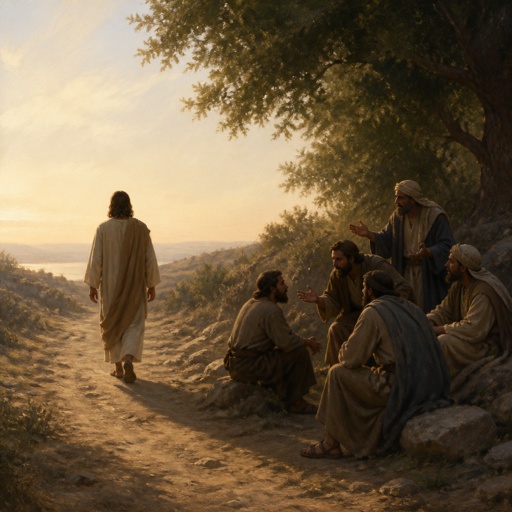
"From which some having swerved have turned aside unto vain jangling;" - 1 Timothy 1:6

1 Timothy 5:15 - "For some are already turned aside after Satan."

inapproachable light 1 Timothy 6:16

1 Timothy 1:5 - "Now the end of the commandment is charity out of a pure heart, and of a good conscience, and of faith unfeigned:"

1 Timothy 1:15 - "This is a faithful saying, and worthy of all acceptation, that Christ Jesus came into the world to save sinners; of whom I am chief."

1 Timothy 2:15 - "Notwithstanding she shall be saved in childbearing, if they continue in faith and charity and holiness with sobriety."

1 Timothy 6:15-16 - "which God will bring about in his own time—God, the blessed and only Ruler, the King of kings and Lord of lords, who alone is immortal and who lives in unapproachable light, whom no one has seen or can see. To him be honor and might forever. Amen."

2 Timothy 1:15 - "This thou knowest, that all they which are in Asia be turned away from me; of whom are Phygellus and Hermogenes."

1 Timothy 4:15 - "Meditate upon these things; give thyself wholly to them; that thy profiting may appear to all."

2 Timothy 1:16 - "The Lord give mercy unto the house of Onesiphorus; for he oft refreshed me, and was not ashamed of my chain:"

1 Timothy 6:15 - "Which in his times he shall shew, who is the blessed and only Potentate, the King of kings, and Lord of lords;"
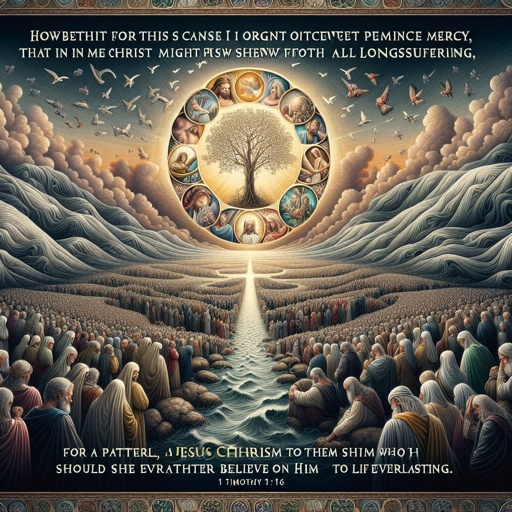
1 Timothy 1:16 - "Howbeit for this cause I obtained mercy, that in me first Jesus Christ might shew forth all longsuffering, for a pattern to them which should hereafter believe on him to life everlasting."

"For some are already turned aside after Satan." - 1 Timothy 5:15

1 Timothy 4:16 - "Take heed unto thyself, and unto the doctrine; continue in them: for in doing this thou shalt both save thyself, and them that hear thee."

1 Timothy 5:16 - "If any man or woman that believeth have widows, let them relieve them, and let not the church be charged; that it may relieve them that are widows indeed."

1 Corinthians 15:16 - "For if the dead rise not, then is not Christ raised:"

"Now the end of the commandment is charity out of a pure heart, and of a good conscience, and of faith unfeigned:" - 1 Timothy 1:5