What does 1 Samuel 9:9 mean?
"(Beforetime in Israel, when a man went to enquire of God, thus he spake, Come, and let us go to the seer: for he that is now called a Prophet was beforetime called a Seer.)" - 1 Samuel 9:9
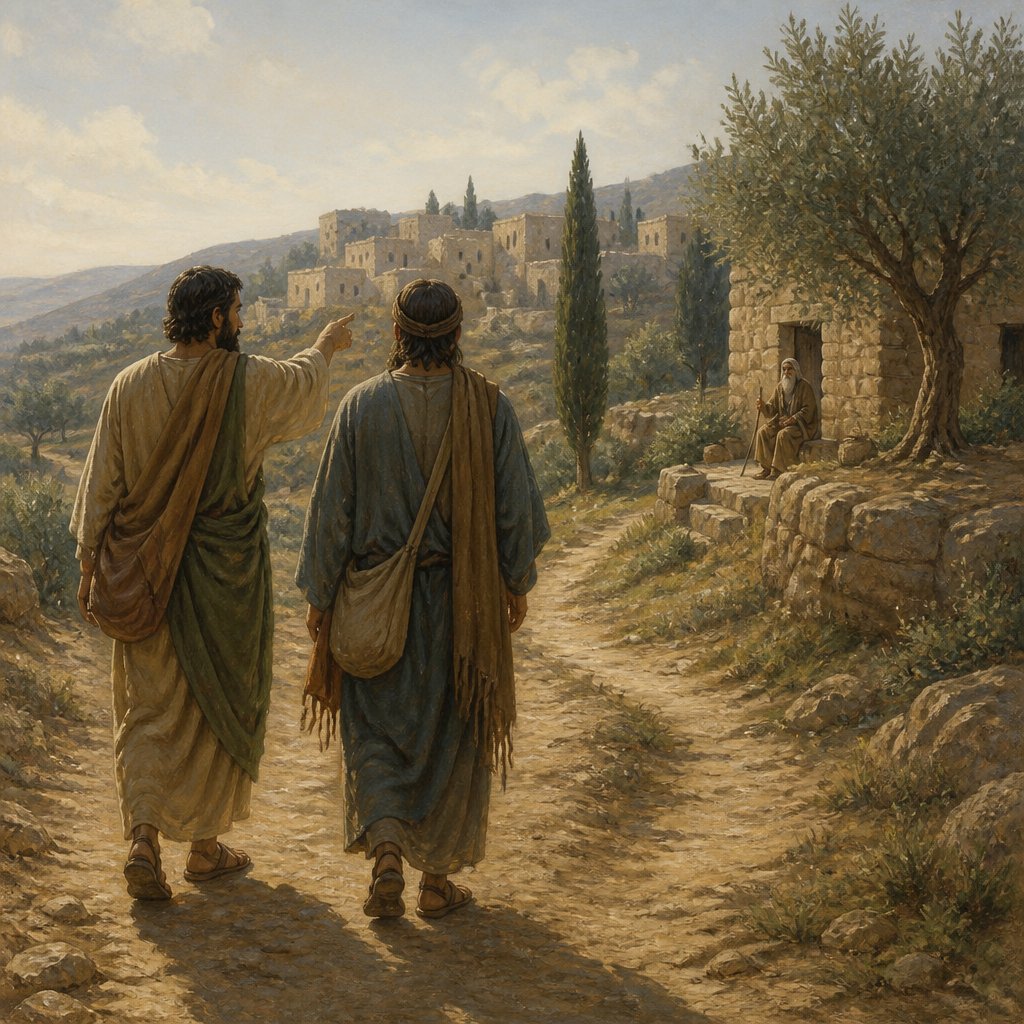
The verse 1 Samuel 9:9 in the King James Version (KJV) of the Bible reads: "(Beforetime in Israel, when a man went to enquire of God, thus he spake, Come, and let us go to the seer: for he that is now called a Prophet was beforetime called a Seer.)"
This verse comes from the Old Testament book of 1 Samuel, which tells the story of the prophet Samuel and the rise of King Saul. The verse is part of a passage in which the narrator explains the significance of the term "seer" in ancient Israel. It provides historical and contextual background for the reader, shedding light on the terminology used to refer to individuals who would inquire of God and receive divine revelation.
The theme of this verse centers around the role and function of prophets and seers in ancient Israelite society. In the time before there were official prophets, individuals who sought guidance from God would go to a seer to inquire about God's will. The verse highlights the transition in terminology from "seer" to "prophet," indicating that the function of these individuals remained the same, even as their titles changed over time.
The context of 1 Samuel 9:9 is important for understanding the religious and social dynamics of ancient Israel. During this period, the Israelites relied on prophets, seers, and other spiritual leaders to communicate with God and receive guidance for various matters, such as warfare, governance, and religious observance. Prophets and seers played a crucial role in mediating between the people and the divine, serving as intermediaries who could interpret God's will and provide insight into future events.
The symbolism in this verse lies in the transition from the term "seer" to "prophet." The term "seer" suggests someone who has the ability to "see" or perceive divine truths and insights, while the term "prophet" carries the connotation of one who speaks on behalf of God. This evolution in terminology reflects a shift in the understanding of these individuals' roles, emphasizing not only their ability to receive divine messages but also their responsibility to proclaim and interpret these messages to the wider community.
Furthermore, the verse also highlights the continuity in the function of these individuals despite the change in terminology. Whether called a seer or a prophet, the fundamental role of these individuals remained the same – to seek God's guidance and communicate divine revelations to the people of Israel. This continuity reinforces the importance of divine communication and guidance in Israelite society, emphasizing the ongoing need for spiritual leadership and direction from God.
In conclusion, 1 Samuel 9:9 provides important historical and contextual background for understanding the role of prophets and seers in ancient Israel. It underscores the significance of these individuals as mediators between the people and the divine, as well as the continuity in their function despite the evolution in terminology. This verse serves as a reminder of the ongoing need for spiritual guidance and divine communication, and it highlights the enduring relevance of these themes in the biblical narrative.
Have questions about 1 Samuel 9:9?
Dive deeper into this scripture with Bible Chat — an AI-powered tool for exploring God's Word through conversation. Ask questions, get context, and grow in your understanding of the Bible.
Get Our Apps


1 Samuel 9:9 Artwork

1 Samuel 9:9 - "(Beforetime in Israel, when a man went to enquire of God, thus he spake, Come, and let us go to the seer: for he that is now called a Prophet was beforetime called a Seer.)"
"(Beforetime in Israel, when a man went to enquire of God, thus he spake, Come, and let us go to the seer: for he that is now called a Prophet was beforetime called a Seer.)" - 1 Samuel 9:9

1 Samuel 9:1-2

2 samuel 9:7 fhdhdhdhhd

1 Samuel 18:9 - "And Saul eyed David from that day and forward."

1 Samuel 9:15 - "¶ Now the LORD had told Samuel in his ear a day before Saul came, saying,"

1 Samuel 9:25 - "¶ And when they were come down from the high place into the city, Samuel communed with Saul upon the top of the house."

1 Samuel 9:18 - "Then Saul drew near to Samuel in the gate, and said, Tell me, I pray thee, where the seer's house is."

1 Samuel 7:9 - "¶ And Samuel took a sucking lamb, and offered it for a burnt offering wholly unto the LORD: and Samuel cried unto the LORD for Israel; and the LORD heard him."

1 Samuel 16:9 - "Then Jesse made Shammah to pass by. And he said, Neither hath the LORD chosen this."

1 Samuel 9:14 - "And they went up into the city: and when they were come into the city, behold, Samuel came out against them, for to go up to the high place."

1 Samuel 9:17 - "And when Samuel saw Saul, the LORD said unto him, Behold the man whom I spake to thee of! this same shall reign over my people."

1 Samuel 9:23 - "And Samuel said unto the cook, Bring the portion which I gave thee, of which I said unto thee, Set it by thee."

1 Samuel 13:9 - "And Saul said, Bring hither a burnt offering to me, and peace offerings. And he offered the burnt offering."

1 Samuel 24:9 - "¶ And David said to Saul, Wherefore hearest thou men's words, saying, Behold, David seeketh thy hurt?"

2 Samuel 9:1 - "And David said, Is there yet any that is left of the house of Saul, that I may shew him kindness for Jonathan's sake?"

1 Samuel 9:22 - "And Samuel took Saul and his servant, and brought them into the parlour, and made them sit in the chiefest place among them that were bidden, which were about thirty persons."

1 Samuel 2:9 - "He will keep the feet of his saints, and the wicked shall be silent in darkness; for by strength shall no man prevail."

1 Samuel 9:26 - "And they arose early: and it came to pass about the spring of the day, that Samuel called Saul to the top of the house, saying, Up, that I may send thee away. And Saul arose, and they went out both of them, he and Samuel, abroad."

1 Samuel 10:9 - "¶ And it was so, that when he had turned his back to go from Samuel, God gave him another heart: and all those signs came to pass that day."

1 Samuel 23:9 - "¶ And David knew that Saul secretly practised mischief against him; and he said to Abiathar the priest, Bring hither the ephod."

1 Samuel 9:1 - "Now there was a man of Benjamin, whose name was Kish, the son of Abiel, the son of Zeror, the son of Bechorath, the son of Aphiah, a Benjamite, a mighty man of power."

1 Samuel 3:9 - "Therefore Eli said unto Samuel, Go, lie down: and it shall be, if he call thee, that thou shalt say, Speak, LORD; for thy servant heareth. So Samuel went and lay down in his place."

1 Samuel 25:9 - "And when David's young men came, they spake to Nabal according to all those words in the name of David, and ceased."

"And Saul eyed David from that day and forward." - 1 Samuel 18:9

1 Samuel 26:9 - "And David said to Abishai, Destroy him not: for who can stretch forth his hand against the LORD'S anointed, and be guiltless?"

1 Samuel 9:27 - "And as they were going down to the end of the city, Samuel said to Saul, Bid the servant pass on before us, (and he passed on,) but stand thou still a while, that I may shew thee the word of God."

1 Samuel 9:11 - "¶ And as they went up the hill to the city, they found young maidens going out to draw water, and said unto them, Is the seer here?"

1 Samuel 9:10 - "Then said Saul to his servant, Well said; come, let us go. So they went unto the city where the man of God was."

1 Samuel 1:9 - "¶ So Hannah rose up after they had eaten in Shiloh, and after they had drunk. Now Eli the priest sat upon a seat by a post of the temple of the LORD."