What does 1 Samuel 7:9 mean?
"¶ And Samuel took a sucking lamb, and offered it for a burnt offering wholly unto the LORD: and Samuel cried unto the LORD for Israel; and the LORD heard him." - 1 Samuel 7:9

The Bible verse 1 Samuel 7:9 from the King James Version (KJV) reads, "And Samuel took a sucking lamb, and offered it for a burnt offering wholly unto the Lord: and Samuel cried unto the Lord for Israel; and the Lord heard him."
This verse comes from the first book of Samuel, which is a historical account of the transition of leadership from judges to kings in ancient Israel. In this particular verse, Samuel, who was a prophet and judge in Israel, is shown taking a sucking lamb and offering it as a burnt offering to the Lord. This act of sacrifice and prayer was significant because it marked a turning point in the spiritual and political climate of Israel at that time.
The context in which this verse is situated is crucial for understanding its significance. The people of Israel were suffering under the oppression of the Philistines, who had subjugated them for many years. In their distress, they turned back to the Lord and sought Samuel's intercession. Samuel, in turn, took the initiative to offer a burnt offering as a way of seeking God's favor and intervention on behalf of the nation.
The symbolism in this verse is multilayered. First, the act of offering a burnt sacrifice was a common practice in ancient Israel as a way of seeking forgiveness, atonement, and divine favor. The choice of a sucking lamb as the sacrificial animal is significant because it symbolizes innocence, purity, and vulnerability. By offering such a young and innocent animal, Samuel was acknowledging the need for repentance and seeking God's mercy for the nation's sins.
Secondly, Samuel's role as a mediator between the people of Israel and God is highlighted in this verse. As a prophet and judge, Samuel held a unique position of spiritual leadership. His act of offering the burnt sacrifice and crying out to the Lord for Israel demonstrates his intercessory role on behalf of the people. This highlights the importance of righteous and faithful leadership in seeking God's intervention and blessing for the nation.
Moreover, the response of the Lord to Samuel's cry for Israel is noteworthy. The verse states that "the Lord heard him," indicating that God was attentive and responsive to Samuel's prayer and sacrifice. This underscores the theme of God's faithfulness and willingness to intervene on behalf of His people when they turn to Him in repentance and faith.
Overall, 1 Samuel 7:9 is a significant verse that captures the spiritual and political dynamics of ancient Israel. It offers valuable insights into the themes of repentance, intercession, divine intervention, and leadership. The symbolism of the sucking lamb as a burnt offering, Samuel's role as a mediator, and the responsive nature of God all contribute to the rich and profound meaning of this verse. It serves as a reminder of the enduring principles of faith, prayer, and God's faithfulness that are relevant for believers today.
Have questions about 1 Samuel 7:9?
Dive deeper into this scripture with Bible Chat — an AI-powered tool for exploring God's Word through conversation. Ask questions, get context, and grow in your understanding of the Bible.
Get Our Apps


1 Samuel 7:9 Artwork

1 Samuel 7:9 - "¶ And Samuel took a sucking lamb, and offered it for a burnt offering wholly unto the LORD: and Samuel cried unto the LORD for Israel; and the LORD heard him."

"¶ And Samuel took a sucking lamb, and offered it for a burnt offering wholly unto the LORD: and Samuel cried unto the LORD for Israel; and the LORD heard him." - 1 Samuel 7:9

2 samuel 9:7 fhdhdhdhhd

1 Samuel 9:7 - "Then said Saul to his servant, But, behold, if we go, what shall we bring the man? for the bread is spent in our vessels, and there is not a present to bring to the man of God: what have we?"

1 Samuel 7:15 - "And Samuel judged Israel all the days of his life."

1 Samuel 9:1-2

1 Samuel 9:15 - "¶ Now the LORD had told Samuel in his ear a day before Saul came, saying,"

2 Samuel 7:1–29

1 Samuel 14:7

1 Samuel 28:7

1 Samuel 8:7

1 Samuel 9:25 - "¶ And when they were come down from the high place into the city, Samuel communed with Saul upon the top of the house."

1 Samuel 7:5 - "And Samuel said, Gather all Israel to Mizpeh, and I will pray for you unto the LORD."

1 Samuel 9:18 - "Then Saul drew near to Samuel in the gate, and said, Tell me, I pray thee, where the seer's house is."

1 Samuel 18:9 - "And Saul eyed David from that day and forward."

1 Samuel 3:7 - "Now Samuel did not yet know the LORD, neither was the word of the LORD yet revealed unto him."

1 Samuel 9:17 - "And when Samuel saw Saul, the LORD said unto him, Behold the man whom I spake to thee of! this same shall reign over my people."

1 Samuel 7:13 - "¶ So the Philistines were subdued, and they came no more into the coast of Israel: and the hand of the LORD was against the Philistines all the days of Samuel."
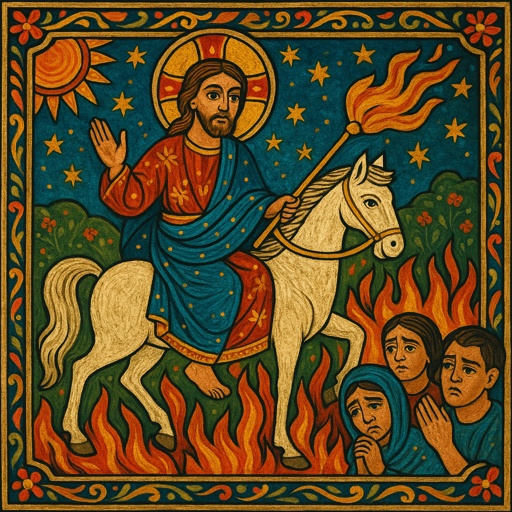
2 Thessalonians 1:7-9

1 Samuel 9:14 - "And they went up into the city: and when they were come into the city, behold, Samuel came out against them, for to go up to the high place."

1 Samuel 9:23 - "And Samuel said unto the cook, Bring the portion which I gave thee, of which I said unto thee, Set it by thee."

2 Samuel 7:9 - "And I was with thee whithersoever thou wentest, and have cut off all thine enemies out of thy sight, and have made thee a great name, like unto the name of the great men that are in the earth."

Numbers 7:1-9

Daniel 7: 9-10

Daniel 7:9-10

Daniel 7:9-10

Daniel 7:9-10

Joshua 1:7-9

1 Samuel 7:8 - "And the children of Israel said to Samuel, Cease not to cry unto the LORD our God for us, that he will save us out of the hand of the Philistines."

1 Samuel 7:12 - "Then Samuel took a stone, and set it between Mizpeh and Shen, and called the name of it Eben-ezer, saying, Hitherto hath the LORD helped us."