What does 1 Samuel 29:5 mean?
"Is not this David, of whom they sang one to another in dances, saying, Saul slew his thousands, and David his ten thousands?" - 1 Samuel 29:5
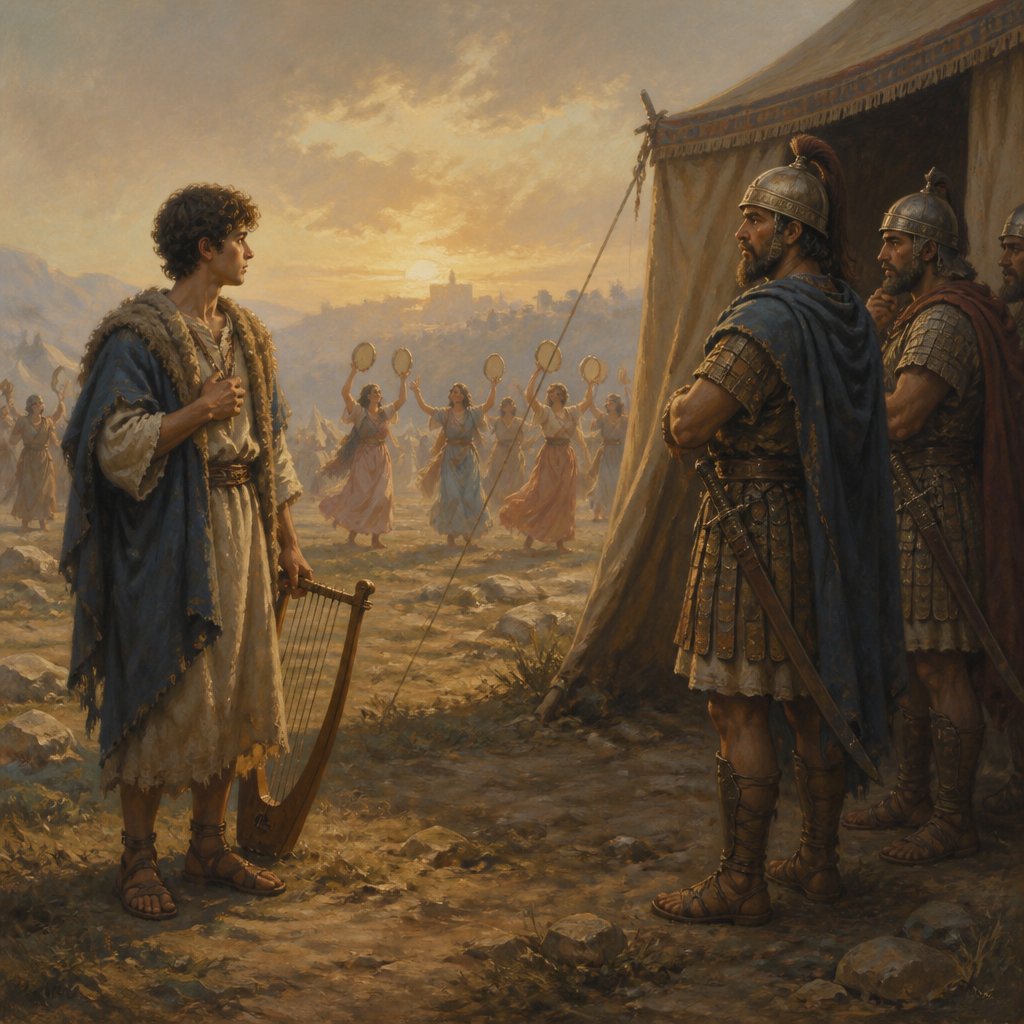
The Bible verse 1 Samuel 29:5 in the King James Version (KJV) states, "Is not this David, of whom they sang one to another in dances, saying, Saul slew his thousands, and David his ten thousands?" This verse is from the Old Testament and is part of the historical narrative of David's interactions with King Saul and the Philistines.
In order to understand the full significance of this verse, it is important to provide some context. Chapter 29 of 1 Samuel describes the events leading up to a battle between the Philistines and the Israelites, which was imminent at the time of the verse. David, who had been anointed as the future king of Israel, had been serving the Philistine king Achish. However, the other Philistine commanders did not trust David, as they believed he might betray them and fight against them in the pending battle. When they voiced their concerns to Achish, the king reluctantly agreed to send David and his men back to their home in Ziklag, thereby preventing them from joining the battle.
The verse in question is spoken by the commanders of the Philistine army, who are questioning Achish about David's presence among them. They bring up David's reputation as a mighty warrior, recalling a popular song that celebrated David's martial prowess, which served as a reminder of the potential danger he posed to the Philistines.
One of the primary themes in this verse is the concept of reputation and how it can influence people's perceptions and actions. The commanders' recognition of David's reputation and the song's lyrics reinforce the idea that David was well-known for his military victories. This reputation, while a source of concern for the Philistines, also serves as a testament to David's skill and bravery in battle.
Another theme that emerges from this verse is the tension between loyalty and self-interest. King Achish had developed a relationship with David and had come to trust him. However, the other Philistine leaders' skepticism about David's loyalties forced Achish to choose between his alliance with David and the concerns of his commanders. Ultimately, Achish decided to prioritize the interests of the Philistine army and reluctantly sent David and his men away.
The verse also serves as a reminder of the complex political and military dynamics at play during this historical period. The Philistines and the Israelites were often at odds with each other, and individual allegiances were constantly shifting. David's presence among the Philistines created a delicate and potentially volatile situation, highlighting the precarious nature of political alliances and the constant threat of betrayal and conflict.
Symbolically, the verse can be seen as a reflection of the timeless struggle between individual reputation and loyalty to a larger group or cause. David's reputation as a formidable warrior was both a source of admiration and fear, and it ultimately influenced the decisions and actions of those around him. Additionally, the verse underscores the transient nature of human allegiances and the potential for personal ambition and self-interest to undermine larger alliances and goals.
In conclusion, 1 Samuel 29:5 from the King James Version of the Bible offers a thought-provoking commentary on the complexities of reputation, loyalty, and political alliances. Its themes of reputation, loyalty, and the intricacies of political and military alliances provide valuable insights into human nature and the dynamics of power and authority. This verse serves as a testament to the enduring relevance and richness of the biblical narratives, offering readers an opportunity to reflect on timeless themes and lessons that remain relevant today.
Have questions about 1 Samuel 29:5?
Dive deeper into this scripture with Bible Chat — an AI-powered tool for exploring God's Word through conversation. Ask questions, get context, and grow in your understanding of the Bible.
Get Our Apps


1 Samuel 29:5 Artwork

1 Samuel 29:5 - "Is not this David, of whom they sang one to another in dances, saying, Saul slew his thousands, and David his ten thousands?"
"Is not this David, of whom they sang one to another in dances, saying, Saul slew his thousands, and David his ten thousands?" - 1 Samuel 29:5

2 Samuel 7:1–29

1 Samuel 20:27-29

1 Chronicles 29:29 - "Now the acts of David the king, first and last, behold, they are written in the book of Samuel the seer, and in the book of Nathan the prophet, and in the book of Gad the seer,"

1 Samuel 17:29 - "And David said, What have I now done? Is there not a cause?"

1 Samuel 29:1 - "Now the Philistines gathered together all their armies to Aphek: and the Israelites pitched by a fountain which is in Jezreel."

1 Samuel 18:29 - "And Saul was yet the more afraid of David; and Saul became David's enemy continually."

1 Samuel 29:7 - "Wherefore now return, and go in peace, that thou displease not the lords of the Philistines."

1 Samuel 23:29 - "And David went up from thence, and dwelt in strong holds at En-gedi."

1 Samuel 29:2 - "And the lords of the Philistines passed on by hundreds, and by thousands: but David and his men passed on in the rereward with Achish."

1 Samuel 15:29 - "And also the Strength of Israel will not lie nor repent: for he is not a man, that he should repent."

1 Samuel 7:5 - "And Samuel said, Gather all Israel to Mizpeh, and I will pray for you unto the LORD."

1 Samuel 30:29 - "And to them which were in Rachal, and to them which were in the cities of the Jerahmeelites, and to them which were in the cities of the Kenites,"

1 Samuel 5: 3-4

1 Samuel 15:5 - "And Saul came to a city of Amalek, and laid wait in the valley."

1 Samuel 5:1 - "And the Philistines took the ark of God, and brought it from Eben-ezer unto Ashdod."

1 Samuel 29:11 - "So David and his men rose up early to depart in the morning, to return into the land of the Philistines. And the Philistines went up to Jezreel."

1 Samuel 5:5 - "Therefore neither the priests of Dagon, nor any that come into Dagon's house, tread on the threshold of Dagon in Ashdod unto this day."

1 Samuel 29:10 - "Wherefore now rise up early in the morning with thy master's servants that are come with thee: and as soon as ye be up early in the morning, and have light, depart."
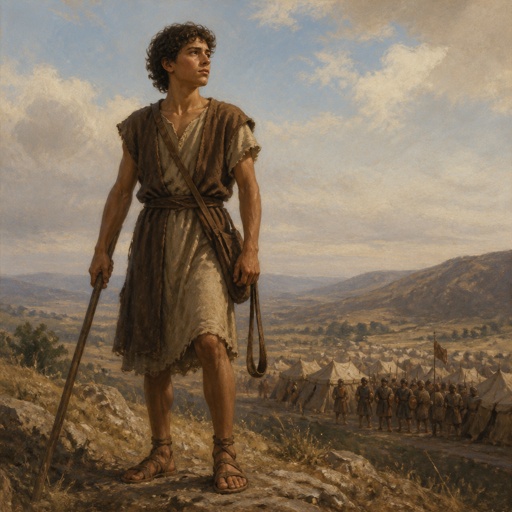
"And David said, What have I now done? Is there not a cause?" - 1 Samuel 17:29

1 Samuel 28:5 - "And when Saul saw the host of the Philistines, he was afraid, and his heart greatly trembled."

1 Samuel 5:12 - "And the men that died not were smitten with the emerods: and the cry of the city went up to heaven."

1 Samuel 5:2 - "When the Philistines took the ark of God, they brought it into the house of Dagon, and set it by Dagon."

1 Samuel 1:5 - "But unto Hannah he gave a worthy portion; for he loved Hannah: but the LORD had shut up her womb."

"Wherefore now return, and go in peace, that thou displease not the lords of the Philistines." - 1 Samuel 29:7

1 Samuel 14:29 - "Then said Jonathan, My father hath troubled the land: see, I pray you, how mine eyes have been enlightened, because I tasted a little of this honey."

"And Saul was yet the more afraid of David; and Saul became David's enemy continually." - 1 Samuel 18:29
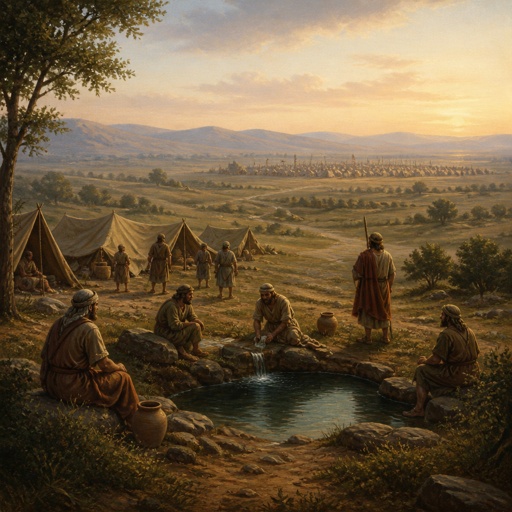
"Now the Philistines gathered together all their armies to Aphek: and the Israelites pitched by a fountain which is in Jezreel." - 1 Samuel 29:1

1 Samuel 14:5 - "The forefront of the one was situate northward over against Michmash, and the other southward over against Gibeah."