What does 1 Samuel 1:2 mean?
"And he had two wives; the name of the one was Hannah, and the name of the other Peninnah: and Peninnah had children, but Hannah had no children." - 1 Samuel 1:2

The verse 1 Samuel 1:2 in the King James Version of the Bible reads, "And he had two wives; the name of the one was Hannah, and the name of the other Peninnah: and Peninnah had children, but Hannah had no children."
This verse is the opening line of the story of Hannah, a woman who struggled with infertility and faced ridicule and torment from Peninnah, the other wife of Elkanah. The verse introduces us to the main characters and sets the stage for the central conflict of the narrative.
The theme of infertility is a prevalent and powerful one in the Bible, and the story of Hannah is a poignant example. In the ancient world, a woman's worth and identity were often tied to her ability to bear children. In this context, Hannah's inability to conceive was a source of deep personal anguish, as well as social disgrace. The verse highlights the emotional pain of infertility and the societal pressure placed on women to fulfill their roles as mothers.
The presence of polygamy in this verse also reflects the cultural norms of the time, where it was common for men to have multiple wives. However, the narrative demonstrates the problems and conflicts that can arise from such arrangements, as jealousy, rivalry, and animosity between the wives are evident.
Peninnah's constant torment of Hannah due to her infertility serves as a form of emotional abuse, adding another layer of conflict to the story. The verse portrays the harsh reality of women's experiences in this patriarchal society, where fertility was highly valued, and women who were unable to conceive often faced discrimination and mistreatment.
Furthermore, the different fates of the two wives' families, with Peninnah having children while Hannah remained childless, highlights the thematic tension between fairness and injustice. This dichotomy sets the stage for the eventual miraculous birth of Samuel, Hannah's son, which is a central focus of the broader narrative.
Symbolically, the rivalry between Hannah and Peninnah can be seen as a metaphor for the competition and jealousy that can exist between people, even in the most intimate of relationships. It also serves as a reflection on the destructive power of envy and the importance of finding strength and resilience in the face of adversity.
The story of Hannah ultimately becomes a tale of faith, resilience, and the transformative power of prayer. It is a reminder that even in the most trying times, turning to God with steadfast devotion and trust can lead to unexpected blessings and miracles. This theme of faith and divine intervention is foundational to the biblical narrative and is exemplified in Hannah's story, which ultimately culminates in the birth of Samuel, who goes on to become a significant figure in the history of Israel.
In conclusion, 1 Samuel 1:2 sets the stage for the poignant narrative of Hannah, a woman who grapples with infertility, mistreatment, and societal pressure in a patriarchal society. The verse introduces us to the central themes of the story, including the emotional pain of infertility, the destructive nature of jealousy and rivalry, the desire for justice, and the transformative power of faith and prayer. The story of Hannah ultimately serves as a profound and timeless testament to the resilience of the human spirit and the possibility of hope and redemption even in the most challenging of circumstances.
Have questions about 1 Samuel 1:2?
Dive deeper into this scripture with Bible Chat — an AI-powered tool for exploring God's Word through conversation. Ask questions, get context, and grow in your understanding of the Bible.
Get Our Apps


1 Samuel 1:2 Artwork

Trusting God and Finding Peace: 1 Samuel 1-2

Trusting God and Finding Peace 1 Samuel 1; 2

1 Samuel 1:2 - "And he had two wives; the name of the one was Hannah, and the name of the other Peninnah: and Peninnah had children, but Hannah had no children."

"And he had two wives; the name of the one was Hannah, and the name of the other Peninnah: and Peninnah had children, but Hannah had no children." - 1 Samuel 1:2
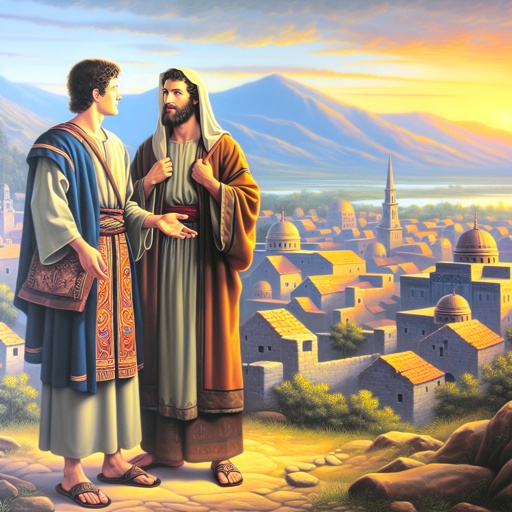
1 Samuel 9:1-2

2 Samuel 7:1–29

1 Samuel 2:26 - "And the child Samuel grew on, and was in favour both with the LORD, and also with men."

2 Samuel 24:22

2 Samuel 6:14

2 Samuel 24:22

2 Samuel 24:22
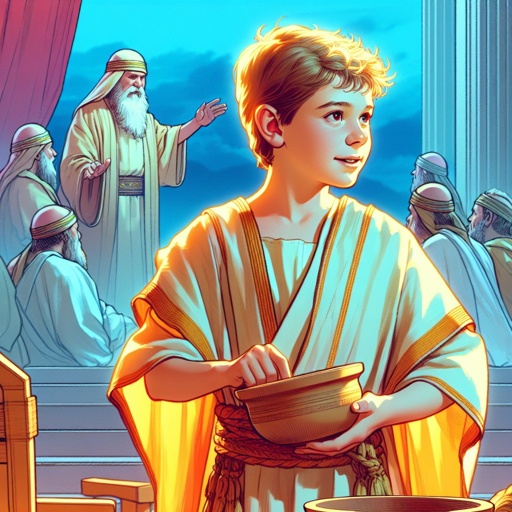
1 Samuel 2:18 - "¶ But Samuel ministered before the LORD, being a child, girded with a linen ephod."

2 samuel 9:7 fhdhdhdhhd

1 Samuel 2:12

2 Samuel 1. 17-27

2 Samuel 1:27 - "How are the mighty fallen, and the weapons of war perished!"

2 Samuel 19:1 - "And it was told Joab, Behold, the king weepeth and mourneth for Absalom."

1 Samuel 2:4 - "The bows of the mighty men are broken, and they that stumbled are girded with strength."

1 Samuel 2:2 - "There is none holy as the LORD: for there is none beside thee: neither is there any rock like our God."

2 Samuel 1:17 - "¶ And David lamented with this lamentation over Saul and over Jonathan his son:"

2 Samuel 1:1 - "Now it came to pass after the death of Saul, when David was returned from the slaughter of the Amalekites, and David had abode two days in Ziklag;"

1 Samuel 2:21 - "And the LORD visited Hannah, so that she conceived, and bare three sons and two daughters. And the child Samuel grew before the LORD."

1 Samuel 2:12 - "¶ Now the sons of Eli were sons of Belial; they knew not the LORD."

1 Samuel 10:1 Samuel anoniting Saul

1 Samuel 1:15-17

2 Samuel 14:1 - "Now Joab the son of Zeruiah perceived that the king's heart was toward Absalom."

1 Samuel 2:7 - "The LORD maketh poor, and maketh rich: he bringeth low, and lifteth up."

2 Samuel 6:1 - "Again, David gathered together all the chosen men of Israel, thirty thousand."

1 Samuel 5:2 - "When the Philistines took the ark of God, they brought it into the house of Dagon, and set it by Dagon."

2 Samuel 1:19 - "The beauty of Israel is slain upon thy high places: how are the mighty fallen!"