What does 1 Samuel 1:17 mean?
"Then Eli answered and said, Go in peace: and the God of Israel grant thee thy petition that thou hast asked of him." - 1 Samuel 1:17
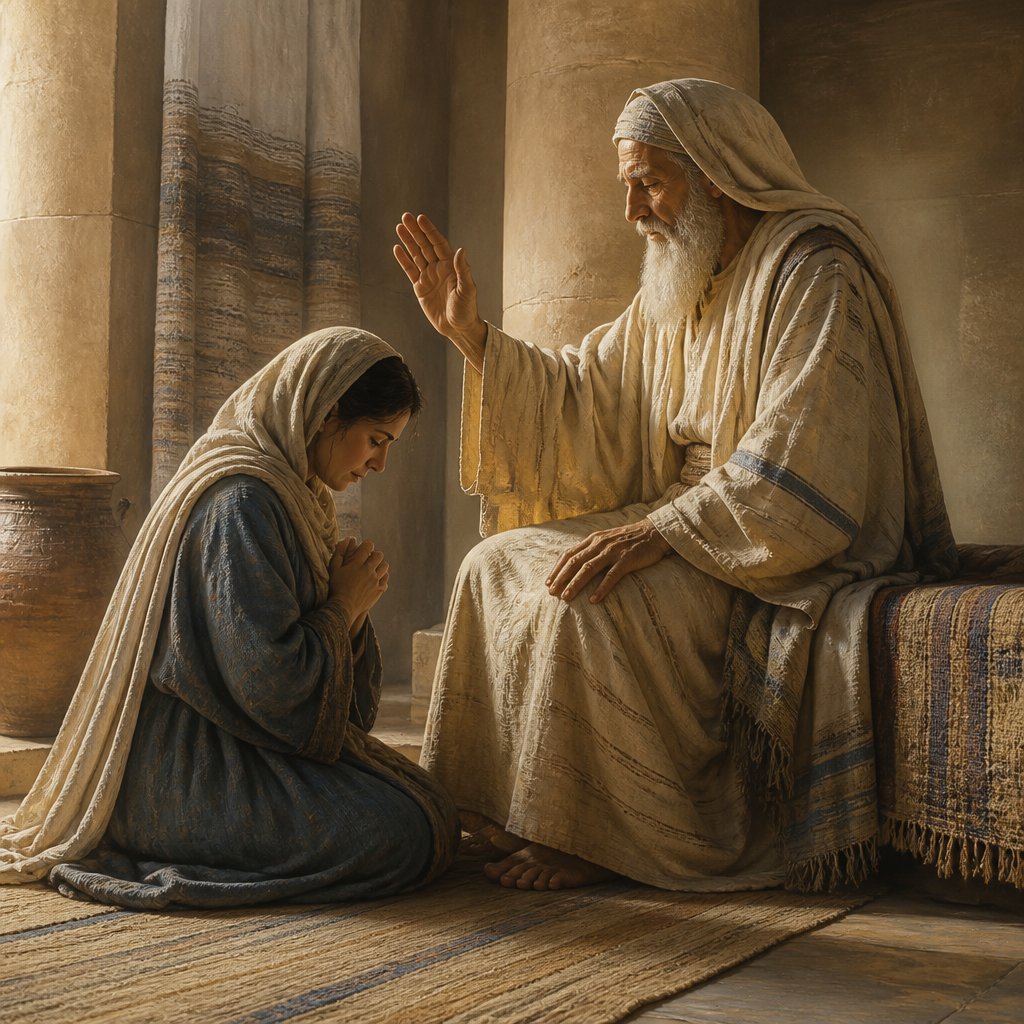
The Bible verse 1 Samuel 1:17 from the King James Version (KJV) states, "Then Eli answered and said, Go in peace: and the God of Israel grant thee thy petition that thou hast asked of him." This verse is part of the larger narrative in the Old Testament book of 1 Samuel, and it holds significant meaning within the context of the story of Hannah and her fervent prayer for a child.
The verse is situated within the story of Hannah, a woman who was unable to bear children and was deeply distressed about her infertility. In her anguish, she went to the tabernacle at Shiloh to pray, pouring out her heart to God and making a vow that if He would grant her a son, she would dedicate him to the service of the Lord. During her prayer, she was weeping bitterly, and Eli, the high priest, thought she was drunk and rebuked her. However, upon hearing her explanation, Eli blessed her, assuring her that God would grant her petition.
One of the central themes of this verse is the power of prayer and faith in God's provision. Hannah's story illustrates the desperation and sorrow that can accompany unfulfilled desires, and her unwavering faith and determination to bring her request before the Lord. The verse also emphasizes the importance of seeking God's favor and blessing in times of need, showing that He is ultimately the one who can grant our petitions.
Furthermore, the verse highlights the role of the high priest, Eli, as a mediator between Hannah and God. He acts as an instrument through which God's blessing and assurance are conveyed to Hannah, affirming her faith and granting her the peace she sought. This aspect of the verse speaks to the importance of spiritual leadership and guidance in the lives of believers, providing support and encouragement in times of distress.
Additionally, the verse underscores the sovereignty of God and His ability to answer prayers according to His will. Eli's blessing contains an acknowledgment of God as the "God of Israel," indicating His authority and dominion over His people. By granting Hannah's petition, God demonstrates His ability to intervene in human affairs and fulfill the desires of those who seek Him wholeheartedly.
Symbolically, the verse embodies the hope and restoration that can arise from desperate situations. Hannah's story is one of perseverance and trust in God's faithfulness, and the verse serves as a reminder that He is able to bring about miracles even in the most challenging circumstances. It also symbolizes the transformational power of prayer and the way in which it can bring about peace and resolution in the midst of turmoil.
In conclusion, 1 Samuel 1:17 holds profound meaning within the larger narrative of Hannah's prayer for a child. It serves as a testament to the efficacy of prayer, the role of spiritual guidance, and the sovereignty of God in answering the pleas of His people. The verse embodies themes of faith, perseverance, and the transformative power of God's intervention, offering a message of hope and assurance to all who seek Him in times of need.
Have questions about 1 Samuel 1:17?
Dive deeper into this scripture with Bible Chat — an AI-powered tool for exploring God's Word through conversation. Ask questions, get context, and grow in your understanding of the Bible.
Get Our Apps


1 Samuel 1:17 Artwork

1 Samuel 1:17 - "Then Eli answered and said, Go in peace: and the God of Israel grant thee thy petition that thou hast asked of him."
"Then Eli answered and said, Go in peace: and the God of Israel grant thee thy petition that thou hast asked of him." - 1 Samuel 1:17

1 Samuel 17:33

1 Samuel 1:15-17

1 Samuel 17:34-35

1 Samuel 10:17 - "¶ And Samuel called the people together unto the LORD to Mizpeh;"

2 Samuel 1. 17-27

1 Samuel 17:49

1 Samuel 17:45

1 Samuel 17:49

1 Samuel 17:45

1 samuel 17:3

1 Samuel 17:49

1 Samuel 17:45
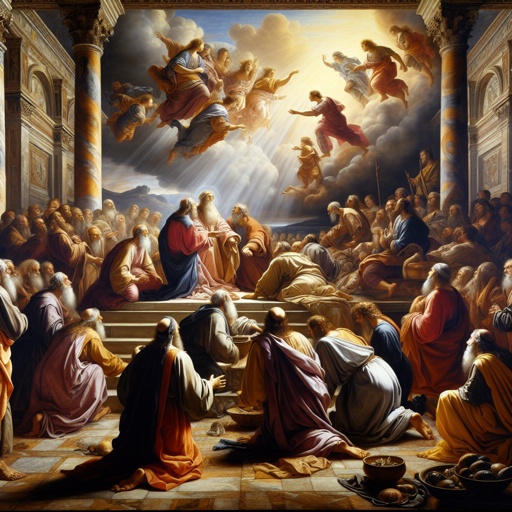
1 Samuel 17:49

1 Samuel 17:38-40

1 Samuel 17:45-49

1 Samuel 17:14 - "And David was the youngest: and the three eldest followed Saul."

1 Samuel 17:56 - "And the king said, Enquire thou whose son the stripling is."

2 Samuel 1:17 - "¶ And David lamented with this lamentation over Saul and over Jonathan his son:"

1 Samuel 17:29 - "And David said, What have I now done? Is there not a cause?"
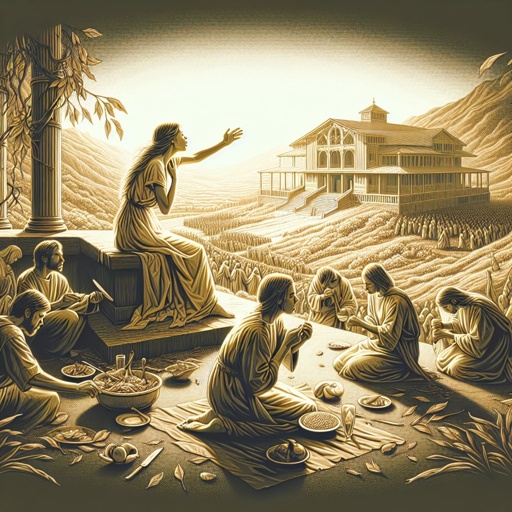
1 Samuel 1:7 - "And as he did so year by year, when she went up to the house of the LORD, so she provoked her; therefore she wept, and did not eat."

1 Samuel 17:19 - "Now Saul, and they, and all the men of Israel, were in the valley of Elah, fighting with the Philistines."

1 Samuel 17:53 - "And the children of Israel returned from chasing after the Philistines, and they spoiled their tents."

1 Samuel 17:21 - "For Israel and the Philistines had put the battle in array, army against army."

1 Samuel 8:17 - "He will take the tenth of your sheep: and ye shall be his servants."

1 Samuel 17:16 - "And the Philistine drew near morning and evening, and presented himself forty days."

1 Samuel 9:17 - "And when Samuel saw Saul, the LORD said unto him, Behold the man whom I spake to thee of! this same shall reign over my people."

1 Samuel 17:15 - "But David went and returned from Saul to feed his father's sheep at Beth-lehem."

"¶ And Samuel called the people together unto the LORD to Mizpeh;" - 1 Samuel 10:17