What does 1 Samuel 17:8 mean?
"And he stood and cried unto the armies of Israel, and said unto them, Why are ye come out to set your battle in array? am not I a Philistine, and ye servants to Saul? choose you a man for you, and let him come down to me." - 1 Samuel 17:8
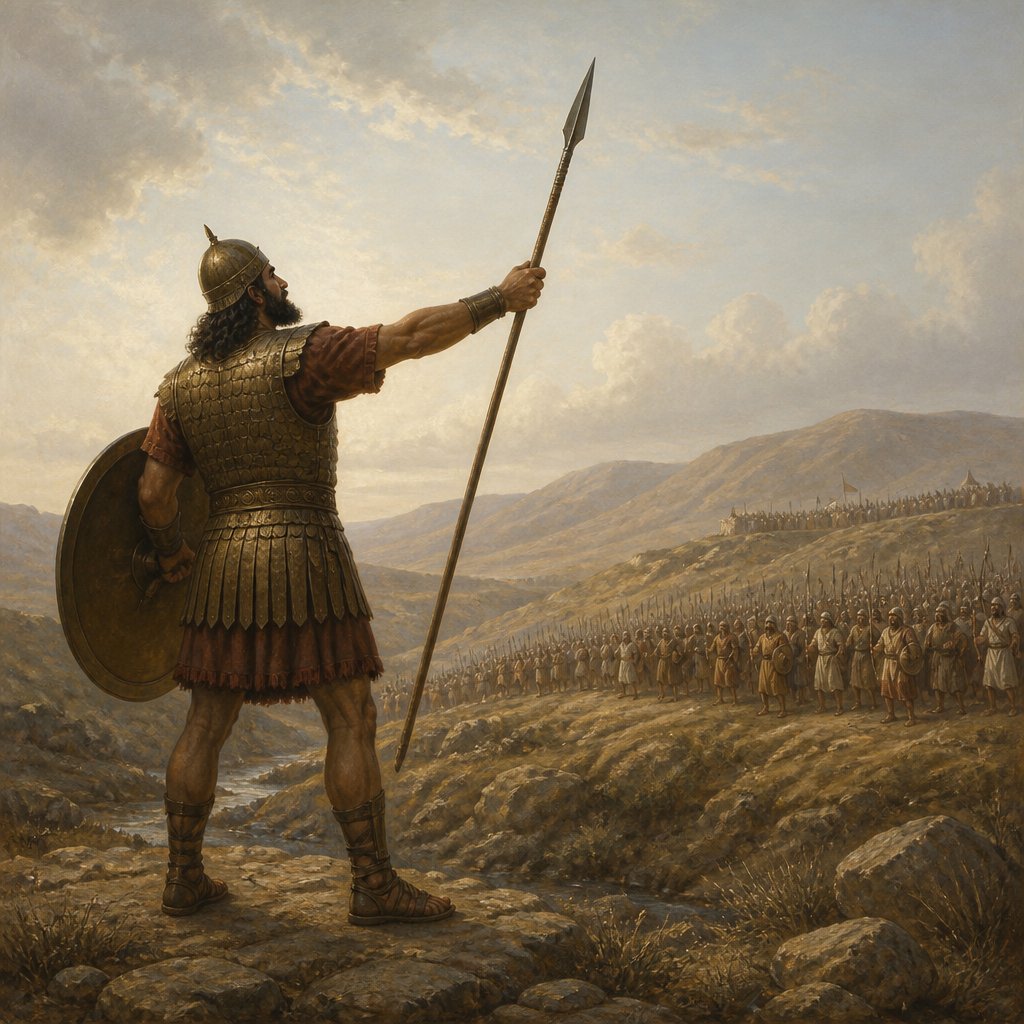
The Bible verse 1 Samuel 17:8 in the King James Version reads, "And he stood and cried unto the armies of Israel, and said unto them, Why are ye come out to set your battle in array? am not I a Philistine, and ye servants to Saul? choose you a man for you, and let him come down to me."
This verse comes from the famous story of David and Goliath. In this passage, the Philistine giant Goliath challenges the Israelites to send out a champion to fight him one-on-one, rather than engage in a full-scale battle. Goliath's challenge strikes fear in the hearts of the Israelite army, and they are unable to find a man brave enough to face this mighty warrior.
The context of this verse is set in the midst of a longstanding conflict between the Israelites and the Philistines. The Philistines were a formidable enemy, and their champion, Goliath, was a powerful and intimidating figure. The Israelites, on the other hand, were filled with fear and lacked the courage to stand up to their enemy.
This passage delves into several important themes that are prevalent throughout the Bible. One of the central themes is the idea of faith and courage in the face of overwhelming odds. Goliath represents the seemingly insurmountable challenges and obstacles that people face in their lives, and the Israelites' hesitation to confront him reflects the fear and doubt that can plague individuals when they are confronted with adversity. In contrast, David's willingness to step forward and confront Goliath represents the courage and faith that are necessary to overcome such challenges.
Furthermore, this passage also highlights the theme of divine intervention and God's sovereignty. When David ultimately steps forward to face Goliath, he does so with the confidence that God is on his side. He trusts in God's power to deliver him from the hands of his enemy, and this faith ultimately leads to his victory. This theme serves as a reminder that even in the face of overwhelming odds, God is in control and can bring about deliverance and victory.
Symbolism also plays a significant role in this verse. Goliath symbolizes the forces of evil and oppression, while David symbolizes the underdog who overcomes these forces through faith and trust in God. Goliath's armor and weapons symbolize the worldly power and strength that he relies on, while David's reliance on God and his simple slingshot emphasizes the idea that true strength comes from faith and righteousness, rather than worldly power.
In conclusion, 1 Samuel 17:8 is a powerful and iconic passage that delves into themes of courage, faith, and divine intervention. It serves as a reminder that no challenge is too great when one has faith in God, and that with God's help, even the most daunting obstacles can be overcome. This story continues to inspire and encourage believers to trust in God's power and to face their challenges with courage and confidence.
Have questions about 1 Samuel 17:8?
Dive deeper into this scripture with Bible Chat — an AI-powered tool for exploring God's Word through conversation. Ask questions, get context, and grow in your understanding of the Bible.
Get Our Apps


1 Samuel 17:8 Artwork
1 Sam 17:8. Create an image from this verse

1 Samuel 17:8 - "And he stood and cried unto the armies of Israel, and said unto them, Why are ye come out to set your battle in array? am not I a Philistine, and ye servants to Saul? choose you a man for you, and let him come down to me."
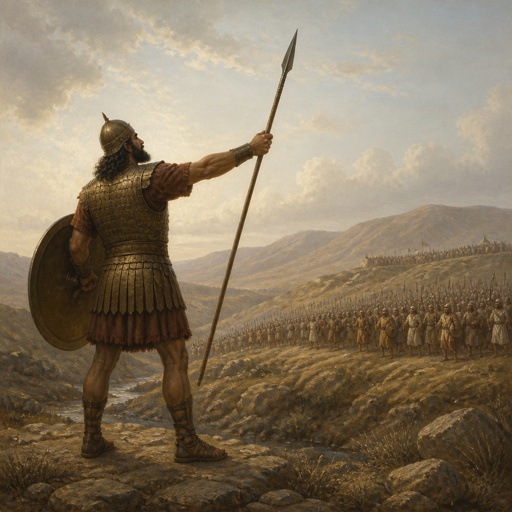
"And he stood and cried unto the armies of Israel, and said unto them, Why are ye come out to set your battle in array? am not I a Philistine, and ye servants to Saul? choose you a man for you, and let him come down to me." - 1 Samuel 17:8

1 Samuel 8:17 - "He will take the tenth of your sheep: and ye shall be his servants."
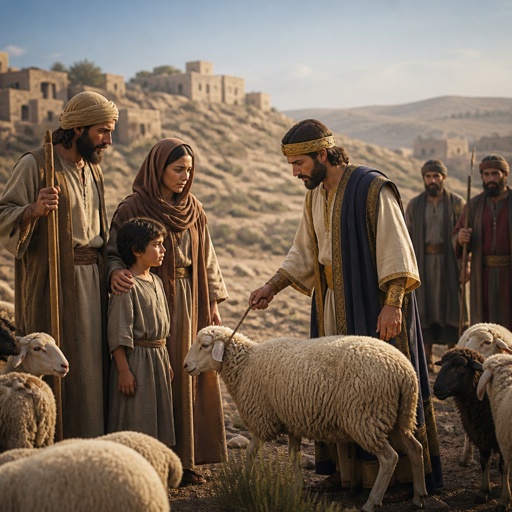
"He will take the tenth of your sheep: and ye shall be his servants." - 1 Samuel 8:17

1 Samuel 10:17 - "¶ And Samuel called the people together unto the LORD to Mizpeh;"

1 Samuel 17:33

1 Samuel 1:15-17

2 Samuel 8:17 - "And Zadok the son of Ahitub, and Ahimelech the son of Abiathar, were the priests; and Seraiah was the scribe;"

1 Samuel 17:34-35

1 Samuel 17:49

1 Samuel 17:45

1 Samuel 17:49

1 Samuel 17:45

1 samuel 17:3

1 Samuel 17:49

1 Samuel 17:45
1 Samuel 17:49

1 Samuel 8:1 - "And it came to pass, when Samuel was old, that he made his sons judges over Israel."

2 Samuel 1. 17-27

1 Samuel 17:38-40

1 Samuel 17:14 - "And David was the youngest: and the three eldest followed Saul."

1 Samuel 17:45-49

1 Samuel 8:6 - "¶ But the thing displeased Samuel, when they said, Give us a king to judge us. And Samuel prayed unto the LORD."

1 Samuel 8:21 - "And Samuel heard all the words of the people, and he rehearsed them in the ears of the LORD."

1 Samuel 8:10 - "¶ And Samuel told all the words of the LORD unto the people that asked of him a king."

1 Samuel 8:7

1 Samuel 8:4 - "Then all the elders of Israel gathered themselves together, and came to Samuel unto Ramah,"

1 Samuel 17:56 - "And the king said, Enquire thou whose son the stripling is."

1 Samuel 9:17 - "And when Samuel saw Saul, the LORD said unto him, Behold the man whom I spake to thee of! this same shall reign over my people."