What does 1 Samuel 17:13 mean?
"And the three eldest sons of Jesse went and followed Saul to the battle: and the names of his three sons that went to the battle were Eliab the firstborn, and next unto him Abinadab, and the third Shammah." - 1 Samuel 17:13
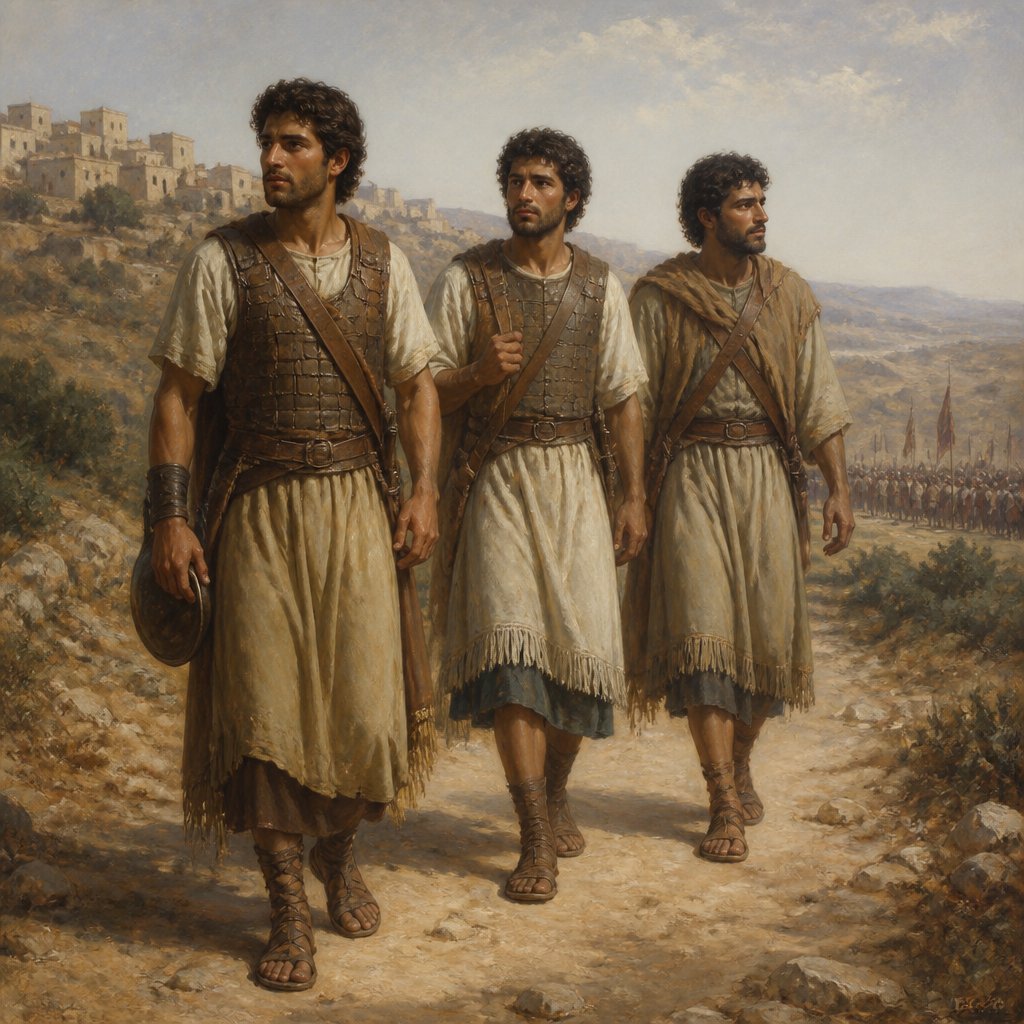
The verse 1 Samuel 17:13 from the King James Version reads: "And the three eldest sons of Jesse went and followed Saul to the battle: and the names of his three sons that went to the battle were Eliab the firstborn, and next unto him Abinadab, and the third Shammah."
This verse is a part of the well-known story of David and Goliath, which is one of the most famous biblical narratives. The context of this verse is set in the midst of a battle between the Israelites, led by King Saul, and the Philistines. The Philistine army had a champion named Goliath, who was a giant and issued a challenge to the Israelites for a one-on-one combat, with the winner determining the outcome of the entire battle. Despite the Israelites' fear and reluctance, a young shepherd boy named David eventually steps forward to face Goliath and defeats him with a single stone from a sling, symbolizing the triumph of faith and the underdog over an apparently unbeatable foe.
In this specific verse, 1 Samuel 17:13, the focus is shifted to Jesse's three eldest sons who have joined King Saul in the battle against the Philistines. This verse introduces us to these three sons: Eliab, Abinadab, and Shammah. A significant aspect of this verse is the contrast between these three sons and David, who is not mentioned here but is soon to play a crucial role in the events to come. It is worth noting that these three sons of Jesse, who were of age and able to fight in the battle, were not chosen by God for the monumental task of facing Goliath. This emphasizes the biblical theme of God's tendency to choose the unlikely and the unassuming to fulfill His purposes, as opposed to relying on human strength or status.
Furthermore, this verse also serves to highlight the stature and reputation of these three sons, at least within their family and community. The fact that they are specifically named and are identified as the eldest sons of Jesse suggests a certain level of importance or prominence traditionally associated with the firstborn. However, despite their apparent significance, it is ultimately David, the youngest and least likely candidate, who emerges as the hero of the battle.
Symbolically, the inclusion of these three brothers in the narrative represents the human tendency to rely on conventional measures of strength and capability. The eldest sons, being of age and presumably possessing some level of military experience, would have been considered the natural choices for a daunting task such as facing Goliath. However, as the story unfolds, it becomes clear that God's plans often defy conventional wisdom and expectations.
In a broader sense, this verse also underscores the theme of divine intervention and the idea that human strength and worldly hierarchies are inconsequential in the face of God's will. The narrative of David and Goliath emphasizes the concept of faith and trust in God's guidance, as well as the idea that even the most formidable challenges can be overcome through reliance on Him.
In conclusion, 1 Samuel 17:13 serves as an important precursor to the unfolding of the iconic David and Goliath story. It sets the stage for the juxtaposition of human expectations and divine intervention, as well as the overarching themes of faith, courage, and the triumph of the underdog. This verse, like the entire narrative it belongs to, continues to inspire and resonate with readers as a timeless example of the power of faith and resilience in the face of overwhelming odds.
Have questions about 1 Samuel 17:13?
Dive deeper into this scripture with Bible Chat — an AI-powered tool for exploring God's Word through conversation. Ask questions, get context, and grow in your understanding of the Bible.
Get Our Apps


1 Samuel 17:13 Artwork

1 Samuel 17:13 - "And the three eldest sons of Jesse went and followed Saul to the battle: and the names of his three sons that went to the battle were Eliab the firstborn, and next unto him Abinadab, and the third Shammah."
"And the three eldest sons of Jesse went and followed Saul to the battle: and the names of his three sons that went to the battle were Eliab the firstborn, and next unto him Abinadab, and the third Shammah." - 1 Samuel 17:13
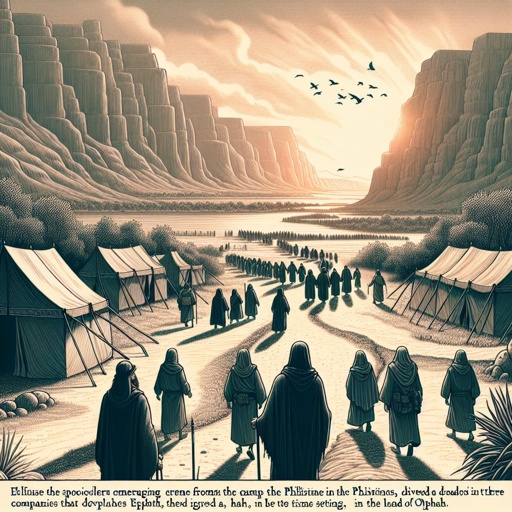
1 Samuel 13:17 - "¶ And the spoilers came out of the camp of the Philistines in three companies: one company turned unto the way that leadeth to Ophrah, unto the land of Shual:"

1 Samuel 10:17 - "¶ And Samuel called the people together unto the LORD to Mizpeh;"

1 Samuel 17:33

1 Samuel 1:15-17

1 Samuel 17:34-35

1 Samuel 17:49

1 Samuel 17:45

1 Samuel 17:49

1 Samuel 17:45

1 samuel 17:3

1 Samuel 17:49

1 Samuel 17:45
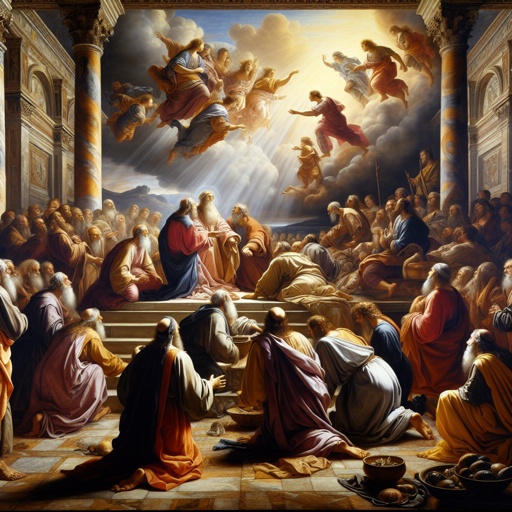
1 Samuel 17:49

1 Samuel 16:1–13

1 Samuel 12:13

2 Samuel 1. 17-27

1 Samuel 17:38-40

1 Samuel 17:14 - "And David was the youngest: and the three eldest followed Saul."

1 Samuel 17:45-49

1 Samuel 12:13
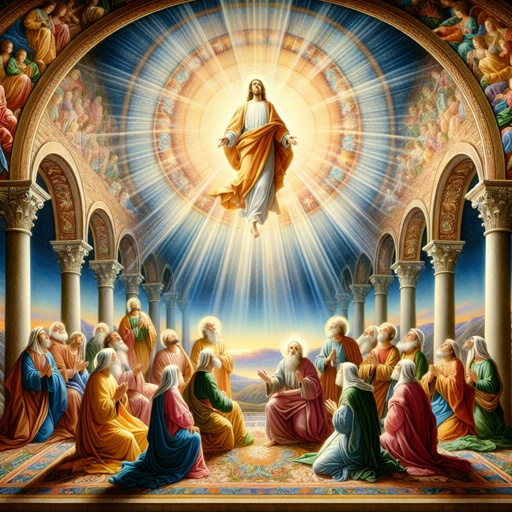
Johan 1:13-17

1 Samuel 22:11-13

1 Samuel 15:13 - "And Samuel came to Saul: and Saul said unto him, Blessed be thou of the LORD: I have performed the commandment of the LORD."

1 Samuel 13:8 - "¶ And he tarried seven days, according to the set time that Samuel had appointed: but Samuel came not to Gilgal; and the people were scattered from him."

1 Samuel 17:56 - "And the king said, Enquire thou whose son the stripling is."
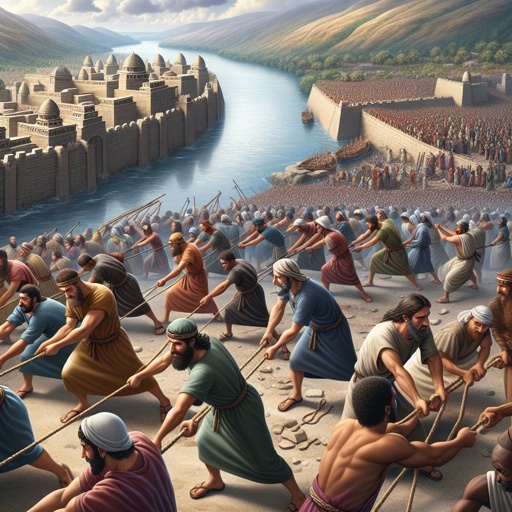
2 Samuel 17:13 - "Moreover, if he be gotten into a city, then shall all Israel bring ropes to that city, and we will draw it into the river, until there be not one small stone found there."

1 Samuel 9:17 - "And when Samuel saw Saul, the LORD said unto him, Behold the man whom I spake to thee of! this same shall reign over my people."

2 Samuel 13:17 - "Then he called his servant that ministered unto him, and said, Put now this woman out from me, and bolt the door after her."