What does 1 Samuel 16:12 mean?
"And he sent, and brought him in. Now he was ruddy, and withal of a beautiful countenance, and goodly to look to. And the LORD said, Arise, anoint him: for this is he." - 1 Samuel 16:12
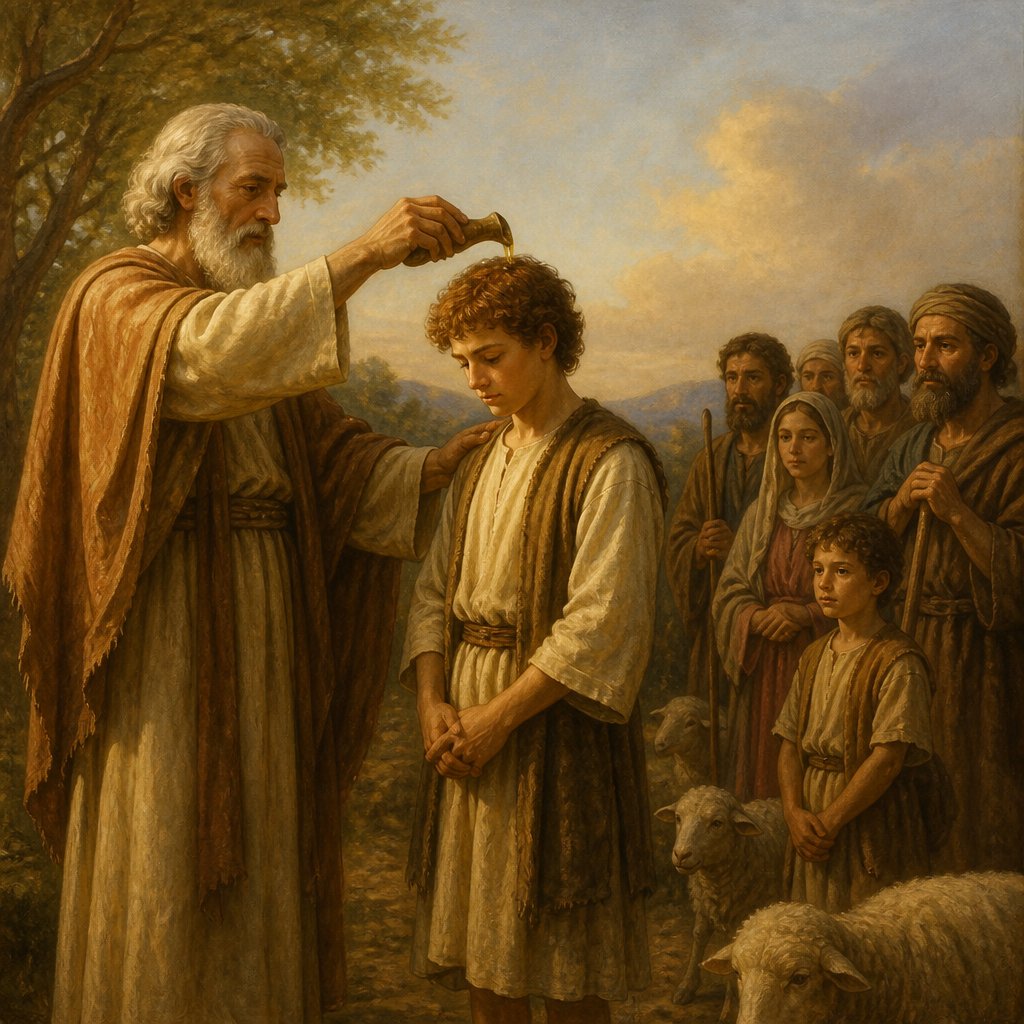
The Bible verse 1 Samuel 16:12 in the King James Version reads, "And he sent, and brought him in. Now he was ruddy, and withal of a beautiful countenance, and goodly to look to. And the LORD said, Arise, anoint him: for this is he."
This verse is part of the story of the anointing of David as king of Israel by the prophet Samuel. The context of this verse is crucial to understanding its deeper meaning and significance. At the time, King Saul was the ruler of Israel, but he had fallen out of favor with God due to his disobedience. As a result, God instructed Samuel to anoint a new king from among the sons of Jesse.
When Samuel arrived at Jesse's house, he met Jesse's eldest son, Eliab, and assumed that he would be the one chosen by God to be anointed as the new king. However, God spoke to Samuel and directed him not to consider Eliab or any of the other sons based on their outward appearance, for "the LORD seeth not as man seeth; for man looketh on the outward appearance, but the LORD looketh on the heart" (1 Samuel 16:7). This sets the stage for the anointing of David, who was the youngest and least likely of Jesse's sons to be chosen as king, but who was chosen by God because of his inner qualities.
The verse 1 Samuel 16:12 describes David as "ruddy, and withal of a beautiful countenance, and goodly to look to." This description emphasizes David's physical appearance as attractive and appealing. However, the deeper meaning lies not in his outward appearance, but in the fact that God chose David because of his heart. This is a recurring theme throughout the Bible, where God values the qualities of the heart over external attributes.
David's anointing as king not only signifies a shift in leadership but also reflects a larger theme of God's faithfulness and sovereignty. Despite Saul's failings, God remains true to His promise to establish a king from the line of David, as prophesied in 2 Samuel 7:12-16. This emphasizes God's unwavering commitment to His people and His plan for Israel's monarchy.
Moreover, the verse serves as a reminder to believers that God's ways are not our ways, and His perspective on matters is often far different from our own. This challenges us to look beyond outward appearances and to seek the attributes and qualities that are pleasing to God.
Another significant aspect of this verse is the symbolism of anointing. In biblical times, anointing was a symbolic act of consecration and empowerment by God for a specific purpose. In David's case, the anointing represented his selection as the future king of Israel and his divine commission from God to lead His people. This underscores the theme of divine election and the idea that God chooses and raises up individuals for His purposes.
In conclusion, 1 Samuel 16:12 holds deep significance within the larger narrative of David's anointing as king. It highlights the contrast between outward appearances and inner qualities, emphasizing God's focus on the heart. It also underscores God's faithfulness and sovereignty in fulfilling His promises, as well as the symbolism of anointing as a representation of divine selection and commissioning. This verse continues to resonate with believers as a timeless reminder of God's perspective and His ultimate authority in the affairs of humanity.
Have questions about 1 Samuel 16:12?
Dive deeper into this scripture with Bible Chat — an AI-powered tool for exploring God's Word through conversation. Ask questions, get context, and grow in your understanding of the Bible.
Get Our Apps


1 Samuel 16:12 Artwork

1 Samuel 16:12 - "And he sent, and brought him in. Now he was ruddy, and withal of a beautiful countenance, and goodly to look to. And the LORD said, Arise, anoint him: for this is he."
"And he sent, and brought him in. Now he was ruddy, and withal of a beautiful countenance, and goodly to look to. And the LORD said, Arise, anoint him: for this is he." - 1 Samuel 16:12

1 Samuel 12:16 - "¶ Now therefore stand and see this great thing, which the LORD will do before your eyes."

1 Samuel 16:1–13

Samuel 12:16 (FBV) Now stand still and watch what the Lord is going to do, right before your very eyes.

1 Samuel 3:16 - "Then Eli called Samuel, and said, Samuel, my son. And he answered, Here am I."

1 Samuel 12

1 Samuel 4:12

2 Samuel 16:12 - "It may be that the LORD will look on mine affliction, and that the LORD will requite me good for his cursing this day."
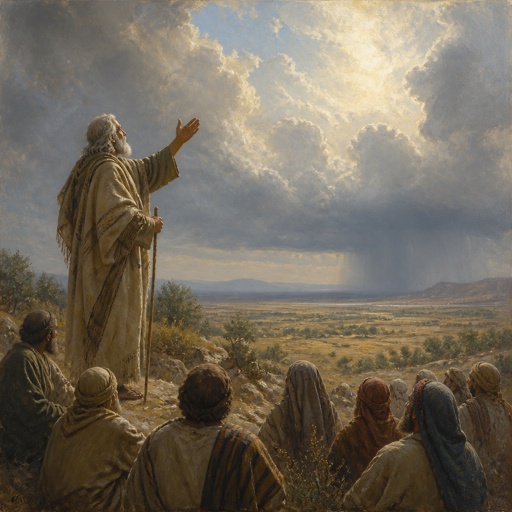
"¶ Now therefore stand and see this great thing, which the LORD will do before your eyes." - 1 Samuel 12:16

2 Samuel 12:16 - "David therefore besought God for the child; and David fasted, and went in, and lay all night upon the earth."

1 Samuel 2:12

1 Samuel 12:13

1 Samuel 16:10 - "Again, Jesse made seven of his sons to pass before Samuel. And Samuel said unto Jesse, The LORD hath not chosen these."

1 Samuel 12:13

1 Samuel 12:18 - "So Samuel called unto the LORD; and the LORD sent thunder and rain that day: and all the people greatly feared the LORD and Samuel."

1 Samuel 16:8 - "Then Jesse called Abinadab, and made him pass before Samuel. And he said, Neither hath the LORD chosen this."

Samuel 12:16 (FBV) Now stand still and watch what the Lord is going to do, right before your very eyes.

Samuel 12:16 (FBV) Now stand still and watch what the Lord is going to do, right before your very eyes.

Samuel 12:16 (FBV) Now stand still and watch what the Lord is going to do, right before your very eyes.

Joshua 1:12-16

Joshua 1:12-16

Revelation 1:12-16

1 Samuel 28:16 - "Then said Samuel, Wherefore then dost thou ask of me, seeing the LORD is departed from thee, and is become thine enemy?"

Revelation 1:12-16

Samuel 12:16 (FBV) Now stand still and watch what the Lord is going to do, right before your very eyes.

1 Samuel 16:4 - "And Samuel did that which the LORD spake, and came to Beth-lehem. And the elders of the town trembled at his coming, and said, Comest thou peaceably?"

1 Samuel 16:13 - "Then Samuel took the horn of oil, and anointed him in the midst of his brethren: and the Spirit of the LORD came upon David from that day forward. So Samuel rose up, and went to Ramah."

1 Samuel 12:6 - "¶ And Samuel said unto the people, It is the LORD that advanced Moses and Aaron, and that brought your fathers up out of the land of Egypt."

1 Samuel 13:12 Saul's disobedience