What does 1 Samuel 15:34 mean?
"¶ Then Samuel went to Ramah; and Saul went up to his house to Gibeah of Saul." - 1 Samuel 15:34

1 Samuel 15:34 (KJV) says, "Then Samuel went to Ramah; and Saul went up to his house to Gibeah of Saul."
This verse comes at the end of a pivotal moment in the history of Israel. The book of 1 Samuel tells the story of the transition of Israel from a loose confederation of tribes to a unified monarchy. In this particular chapter, Samuel, the prophet and judge of Israel, is given a difficult task by God. He is instructed to tell King Saul, the first king of Israel, that God has rejected him as king due to his disobedience.
The verse serves as a somber conclusion to the events that transpire in this chapter. After delivering God’s message to Saul, Samuel goes back to his home in Ramah. Meanwhile, Saul returns to his house in Gibeah of Saul. This simple statement represents the separation of the prophet and the king, signifying the end of their close relationship and the presence of God’s favor in Saul’s life.
This verse is laden with several important themes and concepts. The first theme that comes to the forefront is the consequences of disobedience. Throughout the Bible, we see the principle of sowing and reaping. Saul’s disobedience to God’s explicit command led to the Lord’s rejection of him as king. This serves as a powerful reminder that our actions have consequences and that we must be obedient to God’s commands.
Another theme present in this verse is the concept of God’s sovereignty. The rejection of Saul as king was not a decision made by Samuel but was directly from God. This serves as a reminder that God is in control of all things and that His will ultimately prevails, no matter the intentions or actions of humans.
Additionally, the verse also brings to focus the idea of the relationship between leaders and prophets. In the Old Testament, prophets played a crucial role in guiding and advising the kings of Israel. This verse marking the separation of Samuel and Saul signifies the breakdown of their once close relationship. It also highlights the importance of heeding the advice and warnings of spiritual leaders in our lives.
In terms of the context of the verse, it is important to understand the events leading up to this moment. In the previous chapter, Samuel had given Saul clear instructions from God to completely destroy the Amalekites and all their possessions as punishment for their previous oppression of Israel. However, Saul and his army spared the Amalekite king, Agag, and the best of the livestock. When Samuel confronted Saul about his disobedience, Saul made excuses for his actions, leading to God’s rejection of him as king.
Symbolism is also present in this verse. The geographical locations mentioned, Ramah and Gibeah of Saul, hold symbolic significance. Ramah represents the place of God’s favor as it was where Samuel lived and where he heard from God. In contrast, Gibeah of Saul symbolizes Saul’s house and his kingly authority, which are now devoid of God’s favor.
In conclusion, 1 Samuel 15:34 is a significant verse that encapsulates the consequences of disobedience, God’s sovereignty, the relationship between leaders and prophets, and the symbolic separation of God’s favor from Saul. It serves as a sobering reminder of the importance of obedience to God’s commands and the consequences of straying from His will. This verse also sets the stage for the transition of power from Saul to David, which will be further explored in the subsequent chapters of 1 Samuel.
Have questions about 1 Samuel 15:34?
Dive deeper into this scripture with Bible Chat — an AI-powered tool for exploring God's Word through conversation. Ask questions, get context, and grow in your understanding of the Bible.
Get Our Apps


1 Samuel 15:34 Artwork

1 Samuel 15:34 - "¶ Then Samuel went to Ramah; and Saul went up to his house to Gibeah of Saul."

"¶ Then Samuel went to Ramah; and Saul went up to his house to Gibeah of Saul." - 1 Samuel 15:34

1 Samuel 17:34-35

1 Samuel 15:10 - "¶ Then came the word of the LORD unto Samuel, saying,"

1 Samuel 7:15 - "And Samuel judged Israel all the days of his life."
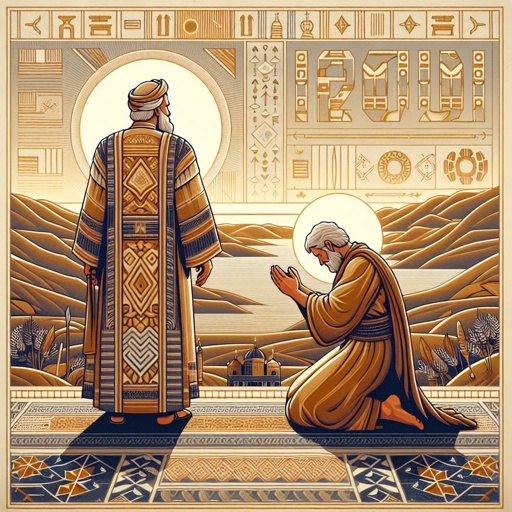
1 Samuel 15:31 - "So Samuel turned again after Saul; and Saul worshipped the LORD."

1.samuel 15:30

1 Samuel 15:22

1 Samuel 15:22

1 Samuel 1:15-17

1.samuel 15:30

1 Samuel 3:15 - "¶ And Samuel lay until the morning, and opened the doors of the house of the LORD. And Samuel feared to shew Eli the vision."

1 Samuel 28:15

1 Corinthians 15:34 - "Awake to righteousness, and sin not; for some have not the knowledge of God: I speak this to your shame."

1 Samuel 9:15 - "¶ Now the LORD had told Samuel in his ear a day before Saul came, saying,"

1 Samuel 28:15-20

1 Samuel 17:34 - "And David said unto Saul, Thy servant kept his father's sheep, and there came a lion, and a bear, and took a lamb out of the flock:"

1 Samuel 21:10-15

1 Samuel 28:15-19

1 Samuel 15:27 - "And as Samuel turned about to go away, he laid hold upon the skirt of his mantle, and it rent."

1 Samuel 15:13 - "And Samuel came to Saul: and Saul said unto him, Blessed be thou of the LORD: I have performed the commandment of the LORD."

1 Samuel 10:15 - "And Saul's uncle said, Tell me, I pray thee, what Samuel said unto you."

1 Samuel 15:14 - "And Samuel said, What meaneth then this bleating of the sheep in mine ears, and the lowing of the oxen which I hear?"

1 Samuel 28:15 Saul is desperate

1 Samuel 15:1 - "Samuel also said unto Saul, The LORD sent me to anoint thee to be king over his people, over Israel: now therefore hearken thou unto the voice of the words of the LORD."

1 Samuel 15:5 - "And Saul came to a city of Amalek, and laid wait in the valley."

1 Samuel 15:35 - "And Samuel came no more to see Saul until the day of his death: nevertheless Samuel mourned for Saul: and the LORD repented that he had made Saul king over Israel."

1 Kings 15:34 - "And he did evil in the sight of the LORD, and walked in the way of Jeroboam, and in his sin wherewith he made Israel to sin."

"¶ Then came the word of the LORD unto Samuel, saying," - 1 Samuel 15:10

1 Samuel 2:34 - "And this shall be a sign unto thee, that shall come upon thy two sons, on Hophni and Phinehas; in one day they shall die both of them."