What does 1 Samuel 15:13 mean?
"And Samuel came to Saul: and Saul said unto him, Blessed be thou of the LORD: I have performed the commandment of the LORD." - 1 Samuel 15:13

1 Samuel 15:13 (KJV): "And Samuel came to Saul: and Saul said unto him, Blessed be thou of the Lord: I have performed the commandment of the Lord."
This verse comes from the Old Testament, specifically the book of 1 Samuel, which tells the story of the rise of King David and the decline of King Saul. This particular passage describes the encounter between the prophet Samuel and King Saul after Saul, at Samuel's command, led the army of Israel to battle against the Amalekites.
At first glance, it seems that Saul is declaring to Samuel that he has successfully carried out the commandment of the Lord. However, the context of this passage and the following verses reveal that Saul's actions were not in line with God's will. This passage sets the stage for the subsequent events that lead to Saul's downfall as king of Israel.
One of the central themes of this verse is the concept of obedience to God's commands. In this verse, Saul claims to have "performed the commandment of the Lord," but in reality, he had not fully obeyed God's instructions. This raises important questions about the nature of obedience and the consequences of disobedience. It serves as a warning against outwardly professing obedience while inwardly straying from God's will.
The encounter between Samuel and Saul also highlights the theme of accountability. Samuel, as a prophet of God, is tasked with holding Saul accountable for his actions. This emphasizes the importance of authority and the need for leaders to be accountable for their decisions and behavior. Additionally, it underscores the concept of divine accountability, as Saul's actions are ultimately judged by God.
Symbolism plays a significant role in this passage as well. The encounter between Samuel and Saul symbolizes the tension between earthly authority and divine authority. Saul, as the king of Israel, wields temporal power, but Samuel, as a prophet of God, represents the higher authority of God. This tension ultimately leads to a clash between Saul's will and God's will, resulting in the loss of Saul's kingship.
The context of this verse is crucial to understanding its true meaning and significance. Prior to this encounter, God had given specific instructions to Saul through Samuel. He was commanded to completely destroy the Amalekites and all that belonged to them, as an act of judgment for their past atrocities against the Israelites. However, Saul disobeyed God's command by sparing the Amalekite king, Agag, and keeping the best of the livestock for himself and his army.
When Samuel confronts Saul about his disobedience, Saul deflects blame and attempts to justify his actions by claiming to have performed the commandment of the Lord. This reveals Saul's lack of repentance and humility, as he fails to acknowledge his wrongdoing and seeks to evade accountability.
In summary, 1 Samuel 15:13 serves as a pivotal moment in the narrative of Saul's reign as king of Israel. It addresses themes of obedience, accountability, and the clash between earthly and divine authority. The symbolism within the passage underscores the larger spiritual and moral implications of Saul's actions. Ultimately, this verse serves as a cautionary tale about the consequences of disobedience and the importance of genuine repentance and submission to God's will.
Have questions about 1 Samuel 15:13?
Dive deeper into this scripture with Bible Chat — an AI-powered tool for exploring God's Word through conversation. Ask questions, get context, and grow in your understanding of the Bible.
Get Our Apps


1 Samuel 15:13 Artwork

1 Samuel 15:13 - "And Samuel came to Saul: and Saul said unto him, Blessed be thou of the LORD: I have performed the commandment of the LORD."

"And Samuel came to Saul: and Saul said unto him, Blessed be thou of the LORD: I have performed the commandment of the LORD." - 1 Samuel 15:13

1 Samuel 13:15 - "And Samuel arose, and gat him up from Gilgal unto Gibeah of Benjamin. And Saul numbered the people that were present with him, about six hundred men."

2 Samuel 15:13 - "¶ And there came a messenger to David, saying, The hearts of the men of Israel are after Absalom."

1 Samuel 15:10 - "¶ Then came the word of the LORD unto Samuel, saying,"

1 Samuel 7:15 - "And Samuel judged Israel all the days of his life."
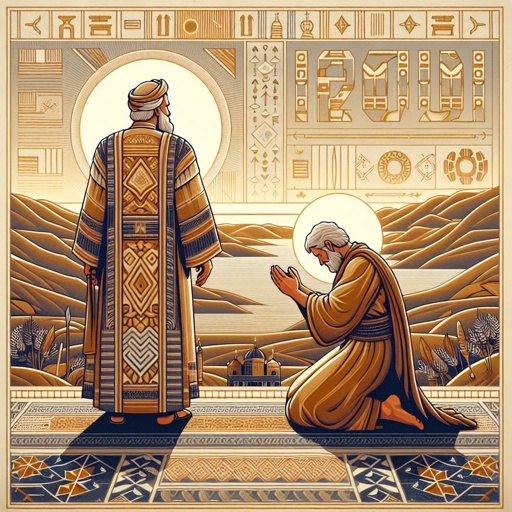
1 Samuel 15:31 - "So Samuel turned again after Saul; and Saul worshipped the LORD."

1.samuel 15:30

1 Samuel 15:22

1 Samuel 15:22

1 Samuel 15:34 - "¶ Then Samuel went to Ramah; and Saul went up to his house to Gibeah of Saul."

1 Samuel 1:15-17

1.samuel 15:30

1 Samuel 16:1–13

1 Samuel 3:15 - "¶ And Samuel lay until the morning, and opened the doors of the house of the LORD. And Samuel feared to shew Eli the vision."

1 Samuel 28:15

1 Samuel 9:15 - "¶ Now the LORD had told Samuel in his ear a day before Saul came, saying,"

1 Samuel 12:13

1 Samuel 12:13

1 Samuel 28:15-20

1 Samuel 21:10-15

1 Samuel 28:15-19

1 Samuel 15:27 - "And as Samuel turned about to go away, he laid hold upon the skirt of his mantle, and it rent."

1 Samuel 10:15 - "And Saul's uncle said, Tell me, I pray thee, what Samuel said unto you."

1 Samuel 15:14 - "And Samuel said, What meaneth then this bleating of the sheep in mine ears, and the lowing of the oxen which I hear?"

1 Samuel 28:15 Saul is desperate

1 Samuel 22:11-13

"And Samuel arose, and gat him up from Gilgal unto Gibeah of Benjamin. And Saul numbered the people that were present with him, about six hundred men." - 1 Samuel 13:15

1 Samuel 15:1 - "Samuel also said unto Saul, The LORD sent me to anoint thee to be king over his people, over Israel: now therefore hearken thou unto the voice of the words of the LORD."

1 Samuel 13:8 - "¶ And he tarried seven days, according to the set time that Samuel had appointed: but Samuel came not to Gilgal; and the people were scattered from him."