What does 1 Samuel 15:12 mean?
"And when Samuel rose early to meet Saul in the morning, it was told Samuel, saying, Saul came to Carmel, and, behold, he set him up a place, and is gone about, and passed on, and gone down to Gilgal." - 1 Samuel 15:12

The verse 1 Samuel 15:12 from the King James Version of the Bible reads, "And when Samuel rose early to meet Saul in the morning, it was told Samuel, saying, Saul came to Carmel, and, behold, he set him up a place, and is gone about, and passed on, and gone down to Gilgal."
This passage comes from the Old Testament book of 1 Samuel, which tells the story of the transition of leadership in Israel from judges to kings, with Saul being the first king, anointed by the prophet Samuel. The verse is a part of the larger narrative about Samuel giving Saul instructions for a battle against the Amalekites and Saul's subsequent disobedience to God's commands.
In this particular verse, we see Samuel rising early to meet with King Saul in order to confront him about his disobedience. However, before Samuel can even address Saul, he is informed that Saul has left Carmel and gone down to Gilgal. This shows Saul's disregard for the prophet Samuel and his unwillingness to face the consequences of his actions.
The themes present in this passage include obedience to God, righteousness, and the consequences of disobedience. Throughout the Bible, obedience to God's commands is emphasized as a crucial aspect of the relationship between God and his people. In this case, Saul's disobedience to God's commands regarding the Amalekites ultimately leads to his downfall as king. The passage serves as a reminder of the importance of obedience and the severe consequences that can result from disobedience.
The context of this passage is important for understanding its significance within the larger narrative of Saul's reign as king. Earlier in 1 Samuel 15, God commands Saul to completely destroy the Amalekites and all their possessions as a punishment for their past sins against the Israelites. However, Saul spares the Amalekite king Agag and keeps the best of the livestock, going against God's explicit command. This disobedience ultimately leads to Samuel declaring that God has rejected Saul as king.
The symbolism in this verse lies in the actions of Saul and the consequences he faces. Saul's decision to spare the Amalekites and keep the spoils of war represents his lack of faithfulness and obedience to God. His actions symbolize the temptation to prioritize personal gain over following God's will. The consequences of his disobedience, as seen through Samuel's rejection of Saul as king, symbolize the severity of turning away from God and the importance of staying true to his commands.
In conclusion, 1 Samuel 15:12 from the King James Version of the Bible offers a glimpse into the narrative of Saul's disobedience and the consequences he faces as a result. The verse emphasizes the themes of obedience to God, righteousness, and the severe consequences of disobedience. The context of the passage provides insight into the larger narrative of Saul's reign as king and the significance of his disobedience in the eyes of God. Finally, the symbolism in this verse serves as a reminder of the dangers of prioritizing personal gain over faithfulness to God and the severity of the consequences that can result from disobedience.
Have questions about 1 Samuel 15:12?
Dive deeper into this scripture with Bible Chat — an AI-powered tool for exploring God's Word through conversation. Ask questions, get context, and grow in your understanding of the Bible.
Get Our Apps


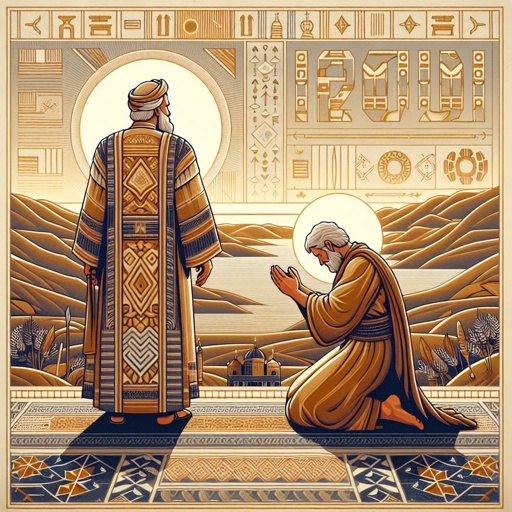
1 Samuel 15:12 Artwork

1 Samuel 15:12 - "And when Samuel rose early to meet Saul in the morning, it was told Samuel, saying, Saul came to Carmel, and, behold, he set him up a place, and is gone about, and passed on, and gone down to Gilgal."

"And when Samuel rose early to meet Saul in the morning, it was told Samuel, saying, Saul came to Carmel, and, behold, he set him up a place, and is gone about, and passed on, and gone down to Gilgal." - 1 Samuel 15:12

1 Samuel 12:15 - "But if ye will not obey the voice of the LORD, but rebel against the commandment of the LORD, then shall the hand of the LORD be against you, as it was against your fathers."

1 Samuel 15:10 - "¶ Then came the word of the LORD unto Samuel, saying,"

1 Samuel 7:15 - "And Samuel judged Israel all the days of his life."
1 Samuel 15:31 - "So Samuel turned again after Saul; and Saul worshipped the LORD."

1.samuel 15:30

1 Samuel 15:22

1 Samuel 15:22

1 Samuel 15:34 - "¶ Then Samuel went to Ramah; and Saul went up to his house to Gibeah of Saul."

1 Samuel 1:15-17

1.samuel 15:30

1 Samuel 12

1 Samuel 4:12

1 Samuel 3:15 - "¶ And Samuel lay until the morning, and opened the doors of the house of the LORD. And Samuel feared to shew Eli the vision."

1 Samuel 28:15

1 Samuel 9:15 - "¶ Now the LORD had told Samuel in his ear a day before Saul came, saying,"

1 Samuel 2:12

1 Samuel 12:13

1 Samuel 28:15-20

1 Samuel 12:13

1 Samuel 21:10-15

1 Samuel 28:15-19

1 Samuel 12:18 - "So Samuel called unto the LORD; and the LORD sent thunder and rain that day: and all the people greatly feared the LORD and Samuel."

1 Samuel 15:27 - "And as Samuel turned about to go away, he laid hold upon the skirt of his mantle, and it rent."

1 Samuel 15:13 - "And Samuel came to Saul: and Saul said unto him, Blessed be thou of the LORD: I have performed the commandment of the LORD."

1 Samuel 10:15 - "And Saul's uncle said, Tell me, I pray thee, what Samuel said unto you."

1 Samuel 15:14 - "And Samuel said, What meaneth then this bleating of the sheep in mine ears, and the lowing of the oxen which I hear?"

Numbers 12 15

1 Samuel 28:15 Saul is desperate