What does 1 Samuel 15:10 mean?
"¶ Then came the word of the LORD unto Samuel, saying," - 1 Samuel 15:10

The Bible verse 1 Samuel 15:10 in the King James Version (KJV) reads, "Then came the word of the Lord unto Samuel, saying,". This verse marks a turning point in the story of King Saul and his disobedience to God's commands. To fully understand the significance of this verse, it is important to consider the themes, context, and symbolism present in the broader narrative of 1 Samuel 15.
The book of 1 Samuel is set during a critical period in Israel's history when the nation transitioned from a collection of tribes to a monarchy. At the beginning of 1 Samuel 15, the prophet Samuel is instructed by God to convey a message to King Saul. This message commands Saul to destroy the Amalekites, a long-standing enemy of Israel, and to leave nothing alive, including people, animals, and possessions. This act of destruction is to be a punishment for the evil that the Amalekites had committed against the Israelites, and it serves as a test of Saul's obedience to God's will.
In verse 9 of 1 Samuel 15, King Saul deviates from God's command by sparing Agag, the king of the Amalekites, and the best of the livestock. This act of disobedience reveals Saul's desire to preserve his own interests and to seek personal gain, rather than fully carrying out God's will. This disobedience leads to the Lord's disapproval of Saul's actions and sets the stage for the word of the Lord to come to Samuel in verse 10.
The arrival of the word of the Lord to Samuel in verse 10 signifies the divine response to Saul's disobedience. Throughout the Bible, the word of the Lord serves as a direct communication from God to his people. This divine communication often carries significant weight and importance, as it represents God's will and intention. In this context, the word of the Lord to Samuel indicates God's judgment against Saul and his failure to carry out the assigned task. It marks a pivotal moment in the narrative, revealing the consequences of Saul's disobedience and setting the stage for further developments in the story.
The themes present in 1 Samuel 15:10 are obedience, judgment, and the consequences of sin. Saul's disobedience to God's command highlights the theme of obedience and the importance of adhering to God's will. His failure to fully carry out God's instructions results in divine judgment and serves as a warning about the consequences of sin. This theme of judgment emphasizes the righteousness and holiness of God, as well as the accountability of human actions before Him.
In terms of symbolism, the word of the Lord in 1 Samuel 15:10 represents the divine authority and guidance that governs the lives of God's people. It symbolizes the overarching presence of God in the narrative, as well as His sovereignty over human affairs. The word of the Lord also serves as a symbol of divine communication and the means through which God reveals His will to His people. In this verse, the word of the Lord to Samuel symbolizes the manifestation of God's judgment and serves as a catalyst for the unfolding of the story.
In conclusion, 1 Samuel 15:10 in the King James Version carries significant meaning within the broader narrative of King Saul's disobedience and God's judgment. The verse encompasses themes of obedience, judgment, and the consequences of sin, while also serving as a symbol of divine communication and authority. Through its context, themes, and symbolism, 1 Samuel 15:10 offers a profound insight into the relationship between God and His people, as well as the repercussions of straying from His will.
Have questions about 1 Samuel 15:10?
Dive deeper into this scripture with Bible Chat — an AI-powered tool for exploring God's Word through conversation. Ask questions, get context, and grow in your understanding of the Bible.
Get Our Apps


1 Samuel 15:10 Artwork

1 Samuel 15:10 - "¶ Then came the word of the LORD unto Samuel, saying,"

"¶ Then came the word of the LORD unto Samuel, saying," - 1 Samuel 15:10

1 Samuel 21:10-15

1 Samuel 10:15 - "And Saul's uncle said, Tell me, I pray thee, what Samuel said unto you."

"And Saul's uncle said, Tell me, I pray thee, what Samuel said unto you." - 1 Samuel 10:15

1 Samuel 10:1 Samuel anoniting Saul

1 Samuel 7:15 - "And Samuel judged Israel all the days of his life."
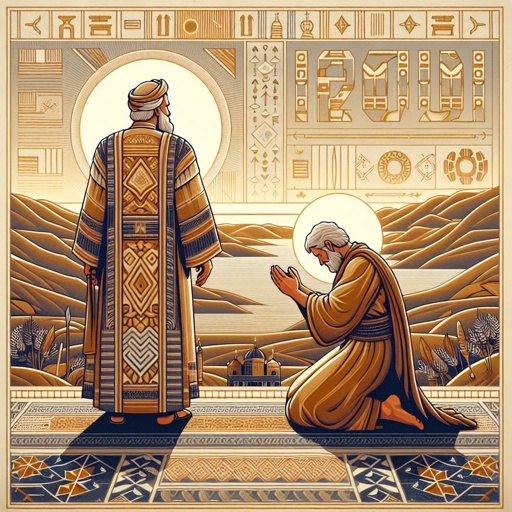
1 Samuel 15:31 - "So Samuel turned again after Saul; and Saul worshipped the LORD."

1.samuel 15:30

1 Samuel 15:22

1 Samuel 15:22

1 Samuel 15:34 - "¶ Then Samuel went to Ramah; and Saul went up to his house to Gibeah of Saul."

1 Samuel 1:15-17

2 Samuel 10:15 - "¶ And when the Syrians saw that they were smitten before Israel, they gathered themselves together."

1.samuel 15:30

1 Samuel 3:15 - "¶ And Samuel lay until the morning, and opened the doors of the house of the LORD. And Samuel feared to shew Eli the vision."

1 Samuel 10:17 - "¶ And Samuel called the people together unto the LORD to Mizpeh;"

1 Samuel 3:10 - "And the LORD came, and stood, and called as at other times, Samuel, Samuel. Then Samuel answered, Speak; for thy servant heareth."

1 Samuel 28:15

1 Samuel 3:1-10

1 Samuel 9:15 - "¶ Now the LORD had told Samuel in his ear a day before Saul came, saying,"

1 Samuel 28:15-20

1 Samuel 8:10 - "¶ And Samuel told all the words of the LORD unto the people that asked of him a king."

1 Samuel 28:15-19

1 Samuel 15:27 - "And as Samuel turned about to go away, he laid hold upon the skirt of his mantle, and it rent."

1 Samuel 15:13 - "And Samuel came to Saul: and Saul said unto him, Blessed be thou of the LORD: I have performed the commandment of the LORD."

1 Samuel 15:14 - "And Samuel said, What meaneth then this bleating of the sheep in mine ears, and the lowing of the oxen which I hear?"

1 Samuel 28:15 Saul is desperate

1 Samuel 16:10 - "Again, Jesse made seven of his sons to pass before Samuel. And Samuel said unto Jesse, The LORD hath not chosen these."

1 Samuel 15:1 - "Samuel also said unto Saul, The LORD sent me to anoint thee to be king over his people, over Israel: now therefore hearken thou unto the voice of the words of the LORD."