What does 1 Samuel 13:4 mean?
"And all Israel heard say that Saul had smitten a garrison of the Philistines, and that Israel also was had in abomination with the Philistines. And the people were called together after Saul to Gilgal." - 1 Samuel 13:4
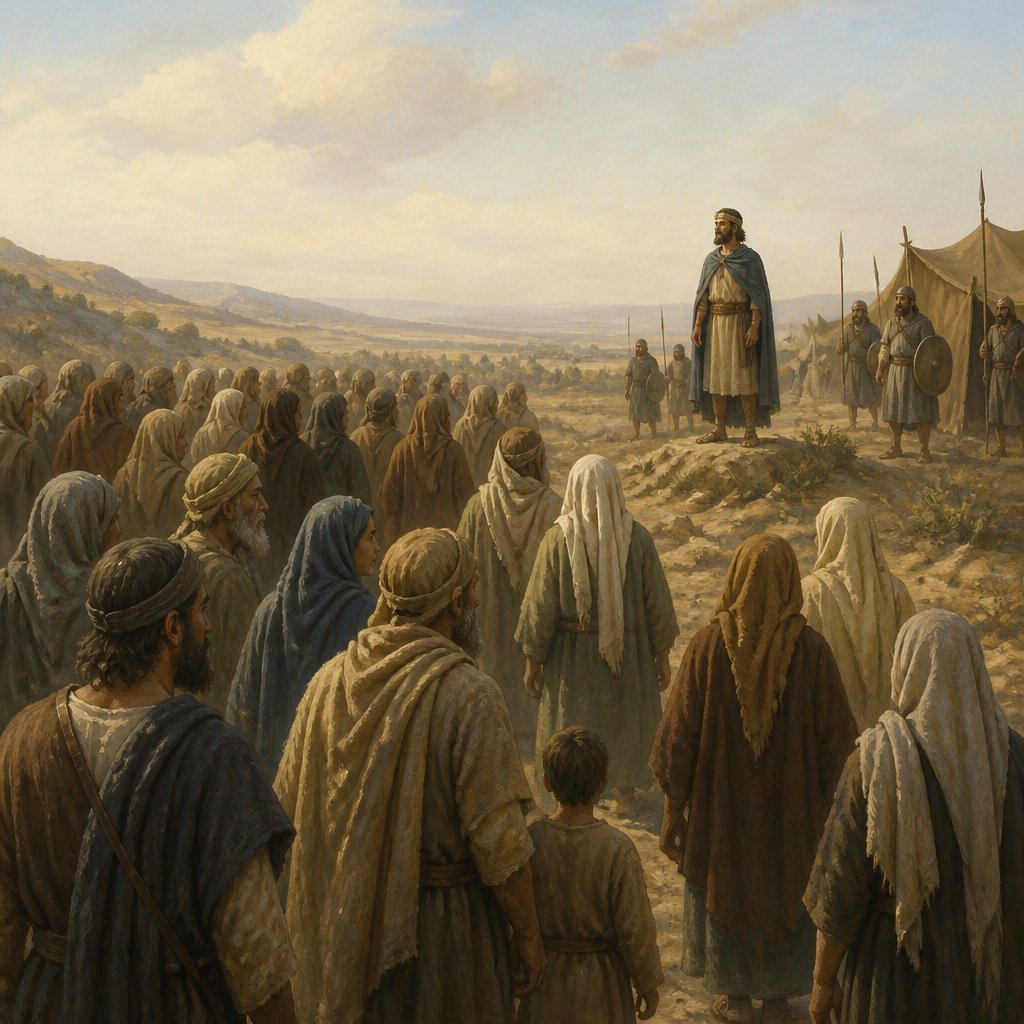
The verse 1 Samuel 13:4 in the King James Version of the Bible reads, "And all Israel heard say that Saul had smitten a garrison of the Philistines, and that Israel also was had in abomination with the Philistines. And the people were called together after Saul to Gilgal."
This verse is a part of the Old Testament narrative that tells the story of Saul, the first king of Israel. The book of 1 Samuel is a historical account of the establishment of the monarchy in Israel, and it provides insight into the characters and events that shaped the nation's early history. In this specific verse, we see an important moment in Saul's reign, as well as the dynamics of power and conflict between Israel and the Philistines.
The verse begins with the news spreading throughout Israel that Saul had successfully led an attack on a Philistine garrison. This would have been a significant event, as the Philistines were a constant threat to Israel's security and well-being. The fact that Saul was able to achieve this victory would have likely bolstered the confidence and morale of the Israelite people. However, the verse also mentions that Israel was "had in abomination with the Philistines", indicating that the relationship between the two nations was strained and filled with animosity. The Philistines viewed Israel with contempt and disdain, further highlighting the precarious position of the Israelites in the midst of their enemies.
In response to this news, the people of Israel were called together after Saul to Gilgal. This gathering was likely convened to celebrate the victory and to reaffirm Saul's leadership. Gilgal was a significant location in Israel, often serving as a place for important events and ceremonies. The fact that the people were called to Gilgal indicates the gravity of the situation and the need for unity and collective action.
One of the central themes in this verse is the concept of power and leadership. Saul's successful military campaign against the Philistines solidifies his position as the king of Israel and demonstrates his ability to protect and defend the nation. The people's response to this news also highlights the importance of strong and effective leadership in times of conflict and uncertainty. Additionally, the verse underscores the ongoing struggle between the Israelites and the Philistines, emphasizing the geopolitical complexities and enmity that characterized the ancient Near East.
Symbolically, this verse can be seen as a representation of the broader themes of struggle and perseverance found throughout the Bible. The constant warfare between Israel and its enemies serves as a metaphor for the spiritual battles and challenges that individuals and communities face. The victory attributed to Saul can be interpreted as a sign of hope and deliverance, illustrating the idea that God can provide strength and protection in the face of adversity.
In conclusion, 1 Samuel 13:4 presents a significant moment in the reign of Saul and sheds light on the dynamics of power and conflict in ancient Israel. The verse serves as a reminder of the importance of strong leadership, the realities of enmity and strife, and the symbolic significance of victory in the midst of struggle. Understanding this verse within its broader historical and thematic context enriches our appreciation for the complexities of the biblical narrative and its enduring relevance.
Have questions about 1 Samuel 13:4?
Dive deeper into this scripture with Bible Chat — an AI-powered tool for exploring God's Word through conversation. Ask questions, get context, and grow in your understanding of the Bible.
Get Our Apps


1 Samuel 13:4 Artwork
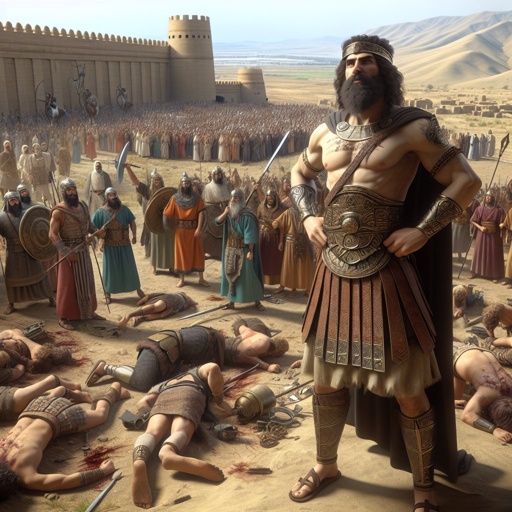
1 Samuel 13:4 - "And all Israel heard say that Saul had smitten a garrison of the Philistines, and that Israel also was had in abomination with the Philistines. And the people were called together after Saul to Gilgal."
"And all Israel heard say that Saul had smitten a garrison of the Philistines, and that Israel also was had in abomination with the Philistines. And the people were called together after Saul to Gilgal." - 1 Samuel 13:4

1 Samuel 16:1–13

1 Samuel 13:12 Saul's disobedience

1 Samuel 4:13 - "And when he came, lo, Eli sat upon a seat by the wayside watching: for his heart trembled for the ark of God. And when the man came into the city, and told it, all the city cried out."

1 samuel 4:1

1 Samuel 12:13

1 Samuel 12:13

1 Samuel 4:12

1 Samuel 3:4 - "That the LORD called Samuel: and he answered, Here am I."

1 Samuel 22:11-13

1 Samuel 15:13 - "And Samuel came to Saul: and Saul said unto him, Blessed be thou of the LORD: I have performed the commandment of the LORD."

1 Samuel 13:8 - "¶ And he tarried seven days, according to the set time that Samuel had appointed: but Samuel came not to Gilgal; and the people were scattered from him."

1 Samuel 13:12 No face of persons

1 Samuel 8:4 - "Then all the elders of Israel gathered themselves together, and came to Samuel unto Ramah,"

1 Samuel 13:23 - "And the garrison of the Philistines went out to the passage of Michmash."

1 Samuel 13:1 - "Saul reigned one year; and when he had reigned two years over Israel,"

1 Samuel 13:13 - "And Samuel said to Saul, Thou hast done foolishly: thou hast not kept the commandment of the LORD thy God, which he commanded thee: for now would the LORD have established thy kingdom upon Israel for ever."

1 Samuel 7:13 - "¶ So the Philistines were subdued, and they came no more into the coast of Israel: and the hand of the LORD was against the Philistines all the days of Samuel."

1 Corinthians 13:4-6

1 Corinthians 13:4-6

1 Corinthians 13:4-6

1 Samuel 8:13 - "And he will take your daughters to be confectionaries, and to be cooks, and to be bakers."

1 Corinthians 13:4-6

1 Corinthians 13:4-6

1 Corinthians 13:4-6

1 Corinthians 13:4-6

1 Corinthians 13:4-6

1 Samuel 16:13 - "Then Samuel took the horn of oil, and anointed him in the midst of his brethren: and the Spirit of the LORD came upon David from that day forward. So Samuel rose up, and went to Ramah."

1 Samuel 4:1 - "And the word of Samuel came to all Israel. Now Israel went out against the Philistines to battle, and pitched beside Eben-ezer: and the Philistines pitched in Aphek."