What does 1 Samuel 12:25 mean?
"But if ye shall still do wickedly, ye shall be consumed, both ye and your king." - 1 Samuel 12:25
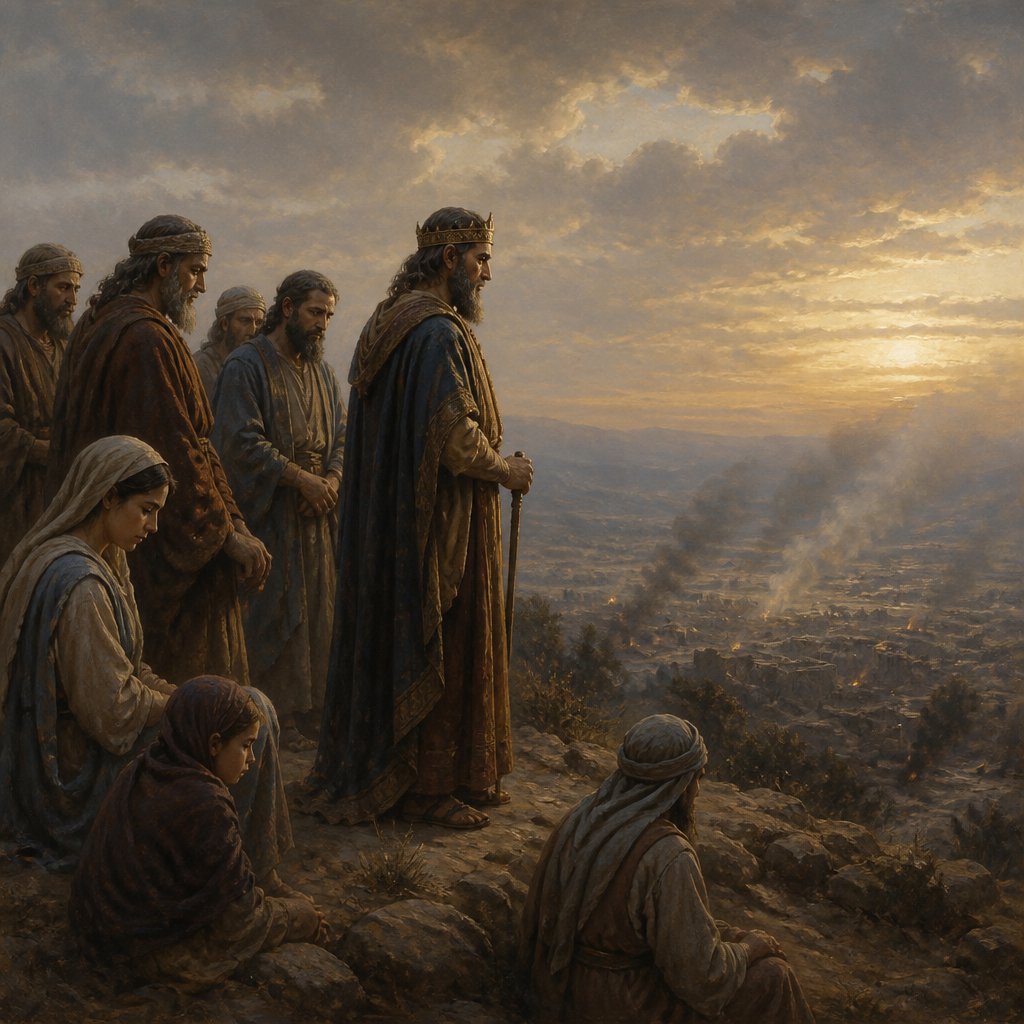
1 Samuel 12:25 (KJV) states, "But if ye shall still do wickedly, ye shall be consumed, both ye and your king." This verse comes from a larger passage in which Samuel is giving his farewell speech to the people of Israel, having appointed Saul as their first king. In this verse, Samuel warns the people of the consequences of wickedness and disobedience to God's commands.
The overarching theme of this verse is the importance of obedience and the consequences of disobedience. Throughout the Bible, there is a consistent message about the importance of following God's commandments and the severe consequences of turning away from Him. This theme is further emphasized in the context of Israel's history, as they had a pattern of rebellion and idolatry, which often led to their downfall and exile. The verse serves as a reminder that God's laws are not to be taken lightly, and disobedience will result in destruction.
The context of this verse is crucial to understanding its significance. In the book of 1 Samuel, the Israelites had requested a king to rule over them, following the example of other nations around them. Despite God warning them of the consequences of having a king, He granted their request and chose Saul as their leader. However, Samuel's farewell speech serves as a warning to the people about the potential pitfalls of having a human king, especially if they continue in their disobedience to God.
The verse symbolizes the delicate balance between God's sovereignty and human free will. The Israelites had the freedom to choose their king and their actions, but this verse serves as a reminder that their choices have consequences. The warning of being "consumed" serves as a powerful symbol of the destructive nature of sin and disobedience. It highlights the reality that God's judgment will come upon those who persist in wickedness.
Furthermore, the inclusion of "both ye and your king" in the verse emphasizes the collective nature of the consequences. It is not just the individual who bears the brunt of disobedience, but the entire community and its leader as well. This serves as a sobering reminder of the interconnectedness of people and the impact of their actions on others.
In a broader theological context, this verse reflects the biblical principle of sowing and reaping. Throughout the Bible, there is a consistent message that one will reap what they sow. If the Israelites continue in wickedness, they will inevitably face the consequences of their actions. This principle of cause and effect is a fundamental aspect of God's justice and serves as a warning to all who would choose to disobey Him.
In conclusion, 1 Samuel 12:25 serves as a powerful warning about the consequences of wickedness and disobedience. Its themes of obedience, consequences, and the delicate balance between free will and divine sovereignty are crucial aspects of its message. The historical context of the Israelites' request for a king and the broader theological principles of sowing and reaping further enrich its meaning. Overall, this verse stands as a timeless reminder of the importance of aligning oneself with God's will and the severe repercussions of turning away from Him.
Have questions about 1 Samuel 12:25?
Dive deeper into this scripture with Bible Chat — an AI-powered tool for exploring God's Word through conversation. Ask questions, get context, and grow in your understanding of the Bible.
Get Our Apps


1 Samuel 12:25 Artwork

1 Samuel 12:25 - "But if ye shall still do wickedly, ye shall be consumed, both ye and your king."
"But if ye shall still do wickedly, ye shall be consumed, both ye and your king." - 1 Samuel 12:25

1 Samuel 25:12 - "So David's young men turned their way, and went again, and came and told him all those sayings."

1 Samuel 1:25 - "And they slew a bullock, and brought the child to Eli."

2 Samuel 12:25 - "And he sent by the hand of Nathan the prophet; and he called his name Jedidiah, because of the LORD."

1 Samuel 12:13

1 Samuel 12

1 Samuel 9:25 - "¶ And when they were come down from the high place into the city, Samuel communed with Saul upon the top of the house."

1 Samuel 12:13

1 Samuel 4:12

1 Samuel 25:1 - "And Samuel died; and all the Israelites were gathered together, and lamented him, and buried him in his house at Ramah. And David arose, and went down to the wilderness of Paran."

1 Samuel 10:25 - "Then Samuel told the people the manner of the kingdom, and wrote it in a book, and laid it up before the LORD. And Samuel sent all the people away, every man to his house."

1 Samuel 14:25 - "And all they of the land came to a wood; and there was honey upon the ground."
"So David's young men turned their way, and went again, and came and told him all those sayings." - 1 Samuel 25:12

1 Samuel 25:4 - "¶ And David heard in the wilderness that Nabal did shear his sheep."

1 Samuel 2:12

"And they slew a bullock, and brought the child to Eli." - 1 Samuel 1:25

1 Samuel 12:18 - "So Samuel called unto the LORD; and the LORD sent thunder and rain that day: and all the people greatly feared the LORD and Samuel."

Nabal becomes like stone in 1 Samuel 25:37

Nabal becomes like stone in 1 Samuel 25:37

1 Samuel 25:43 - "David also took Ahinoam of Jezreel; and they were also both of them his wives."

1 Samuel 25:38 - "And it came to pass about ten days after, that the LORD smote Nabal, that he died."

1 Samuel 30:25 - "And it was so from that day forward, that he made it a statute and an ordinance for Israel unto this day."

1 Samuel 25:44 - "¶ But Saul had given Michal his daughter, David's wife, to Phalti the son of Laish, which was of Gallim."

1 Samuel 28:25 - "And she brought it before Saul, and before his servants; and they did eat. Then they rose up, and went away that night."

1 Samuel 12:6 - "¶ And Samuel said unto the people, It is the LORD that advanced Moses and Aaron, and that brought your fathers up out of the land of Egypt."

1 Corinthians 12:25 - "That there should be no schism in the body; but that the members should have the same care one for another."

1 Samuel 25:32 - "¶ And David said to Abigail, Blessed be the LORD God of Israel, which sent thee this day to meet me:"

1 Samuel 13:12 Saul's disobedience

1 Samuel 13:12 No face of persons