What does 1 Samuel 10:8 mean?
"And thou shalt go down before me to Gilgal; and, behold, I will come down unto thee, to offer burnt offerings, and to sacrifice sacrifices of peace offerings: seven days shalt thou tarry, till I come to thee, and shew thee what thou shalt do." - 1 Samuel 10:8
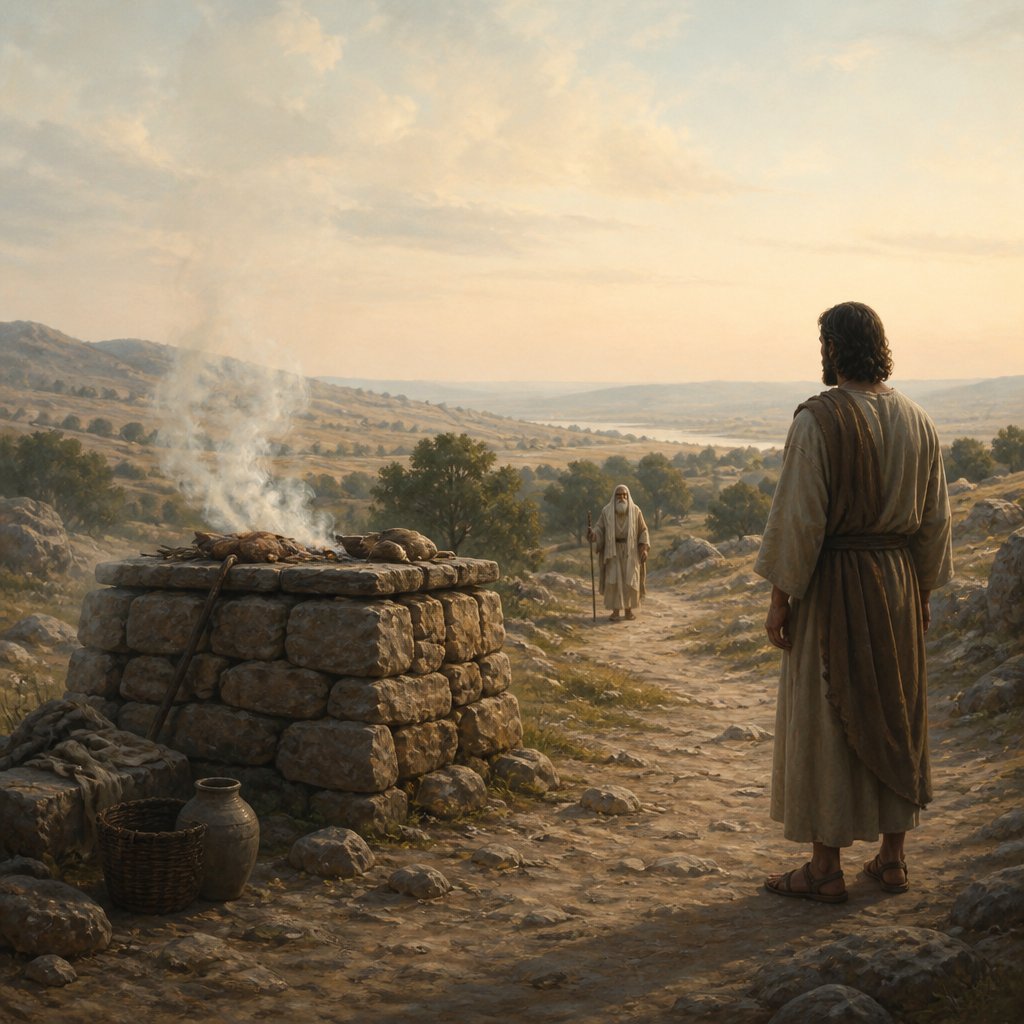
1 Samuel 10:8 (KJV) states: "And thou shalt go down before me to Gilgal; and, behold, I will come down unto thee, to offer burnt offerings, and to sacrifice sacrifices of peace offerings: seven days shalt thou tarry, till I come to thee, and shew thee what thou shalt do."
In this verse, Samuel, the prophet, is speaking to Saul, who is about to be anointed as the first king of Israel. The verse describes the specific instructions Samuel gives to Saul regarding what he is supposed to do before Samuel arrives at Gilgal. The verse talks about the burnt offerings and peace offerings that Saul is to sacrifice, and the seven days that he is to wait for Samuel to show him what he is supposed to do.
This verse holds a lot of significance in the context of the biblical narrative as it marks the transition of Israel from being led by judges to being ruled by kings. Samuel, the last of the judges, anoints Saul as the first king, thereby initiating a major shift in the political and spiritual structure of Israel. The verse underscores the importance of obedience to God's commandments and the role of sacrifices in the worship of God.
One of the overarching themes in this verse is the concept of obedience and patience. Saul is given clear instructions by Samuel on what to do before the arrival of the prophet, and he is expected to follow them diligently. This theme of obedience to God's commands is prominent throughout the Bible, and in this particular instance, it sets the tone for Saul's reign as king. Additionally, the verse emphasizes the virtue of patience, as Saul is instructed to wait for Samuel for seven days. This waiting period symbolizes the importance of trusting in God's timing and being patient in the face of uncertainty.
The act of offering burnt offerings and peace offerings also carries significant symbolism in the biblical context. Burnt offerings were a form of worship and atonement in the Old Testament, symbolizing complete surrender and dedication to God. The peace offerings, on the other hand, were offered as a symbol of thanksgiving and fellowship with God. By performing these sacrifices, Saul demonstrates his commitment to God and his willingness to seek divine guidance in his new role as king. The sacrifices also underline the importance of seeking God's favor and forgiveness in all endeavors.
Furthermore, the specific location of Gilgal holds symbolic significance in the Bible. Gilgal was a place that held historical and spiritual significance for the Israelites. It was the site where Joshua set up twelve stones as a memorial after the Israelites crossed the Jordan River into the Promised Land. It was also a place of religious and political assembly for the Israelites. Therefore, the mention of Gilgal in this verse serves as a reminder of God's faithfulness to His people and the importance of remembering and honoring their history and covenant with Him.
In conclusion, 1 Samuel 10:8 holds a wealth of meaning and symbolism within its verses. It captures the themes of obedience, patience, sacrifice, and the seeking of divine guidance. The verse marks a pivotal moment in the history of Israel and lays the groundwork for Saul's reign as the first king. It serves as a reminder of the importance of following God's commands, waiting on His timing, and seeking His guidance in all aspects of life. The symbolism within the verse underscores the enduring principles of faith, worship, and remembrance of God's faithfulness throughout history.
Have questions about 1 Samuel 10:8?
Dive deeper into this scripture with Bible Chat — an AI-powered tool for exploring God's Word through conversation. Ask questions, get context, and grow in your understanding of the Bible.
Get Our Apps


1 Samuel 10:8 Artwork

1 Samuel 10:8 - "And thou shalt go down before me to Gilgal; and, behold, I will come down unto thee, to offer burnt offerings, and to sacrifice sacrifices of peace offerings: seven days shalt thou tarry, till I come to thee, and shew thee what thou shalt do."
"And thou shalt go down before me to Gilgal; and, behold, I will come down unto thee, to offer burnt offerings, and to sacrifice sacrifices of peace offerings: seven days shalt thou tarry, till I come to thee, and shew thee what thou shalt do." - 1 Samuel 10:8

1 Samuel 8:10 - "¶ And Samuel told all the words of the LORD unto the people that asked of him a king."
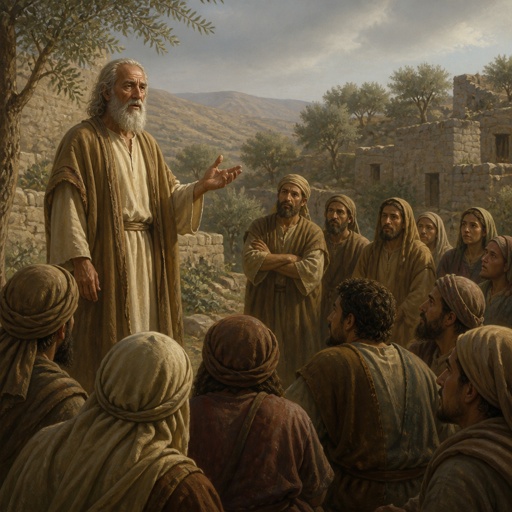
"¶ And Samuel told all the words of the LORD unto the people that asked of him a king." - 1 Samuel 8:10

1 Samuel 10:1 Samuel anoniting Saul

1 Samuel 15:10 - "¶ Then came the word of the LORD unto Samuel, saying,"

1 Samuel 10:17 - "¶ And Samuel called the people together unto the LORD to Mizpeh;"

1 Samuel 8:1 - "And it came to pass, when Samuel was old, that he made his sons judges over Israel."

1 Samuel 3:10 - "And the LORD came, and stood, and called as at other times, Samuel, Samuel. Then Samuel answered, Speak; for thy servant heareth."

1 Samuel 3:1-10

1 Samuel 8:6 - "¶ But the thing displeased Samuel, when they said, Give us a king to judge us. And Samuel prayed unto the LORD."

1 Samuel 8:21 - "And Samuel heard all the words of the people, and he rehearsed them in the ears of the LORD."

1 Samuel 8:7

1 Samuel 8:4 - "Then all the elders of Israel gathered themselves together, and came to Samuel unto Ramah,"

1 Samuel 16:10 - "Again, Jesse made seven of his sons to pass before Samuel. And Samuel said unto Jesse, The LORD hath not chosen these."

1 Samuel 10:20 - "And when Samuel had caused all the tribes of Israel to come near, the tribe of Benjamin was taken."

1 Samuel 1:10 - "And she was in bitterness of soul, and prayed unto the LORD, and wept sore."

1 Samuel 21:10-15

1 Samuel 13:8 - "¶ And he tarried seven days, according to the set time that Samuel had appointed: but Samuel came not to Gilgal; and the people were scattered from him."

1 Samuel 10:15 - "And Saul's uncle said, Tell me, I pray thee, what Samuel said unto you."

1 Samuel 8:19 - "¶ Nevertheless the people refused to obey the voice of Samuel; and they said, Nay; but we will have a king over us;"

1 Samuel 10:1 - "Then Samuel took a vial of oil, and poured it upon his head, and kissed him, and said, Is it not because the LORD hath anointed thee to be captain over his inheritance?"

1 Samuel 16:8 - "Then Jesse called Abinadab, and made him pass before Samuel. And he said, Neither hath the LORD chosen this."

1 Samuel 10:25 - "Then Samuel told the people the manner of the kingdom, and wrote it in a book, and laid it up before the LORD. And Samuel sent all the people away, every man to his house."

Nehemiah 8:10

1 Samuel 8:22 - "And the LORD said to Samuel, Hearken unto their voice, and make them a king. And Samuel said unto the men of Israel, Go ye every man unto his city."

2 Samuel 10:8 - "And the children of Ammon came out, and put the battle in array at the entering in of the gate: and the Syrians of Zoba, and of Rehob, and Ish-tob, and Maacah, were by themselves in the field."

"¶ Then came the word of the LORD unto Samuel, saying," - 1 Samuel 15:10

1 Samuel 8:13 - "And he will take your daughters to be confectionaries, and to be cooks, and to be bakers."

1 Kings 8:10