What does 1 Samuel 10:24 mean?
"And Samuel said to all the people, See ye him whom the LORD hath chosen, that there is none like him among all the people? And all the people shouted, and said, God save the king." - 1 Samuel 10:24
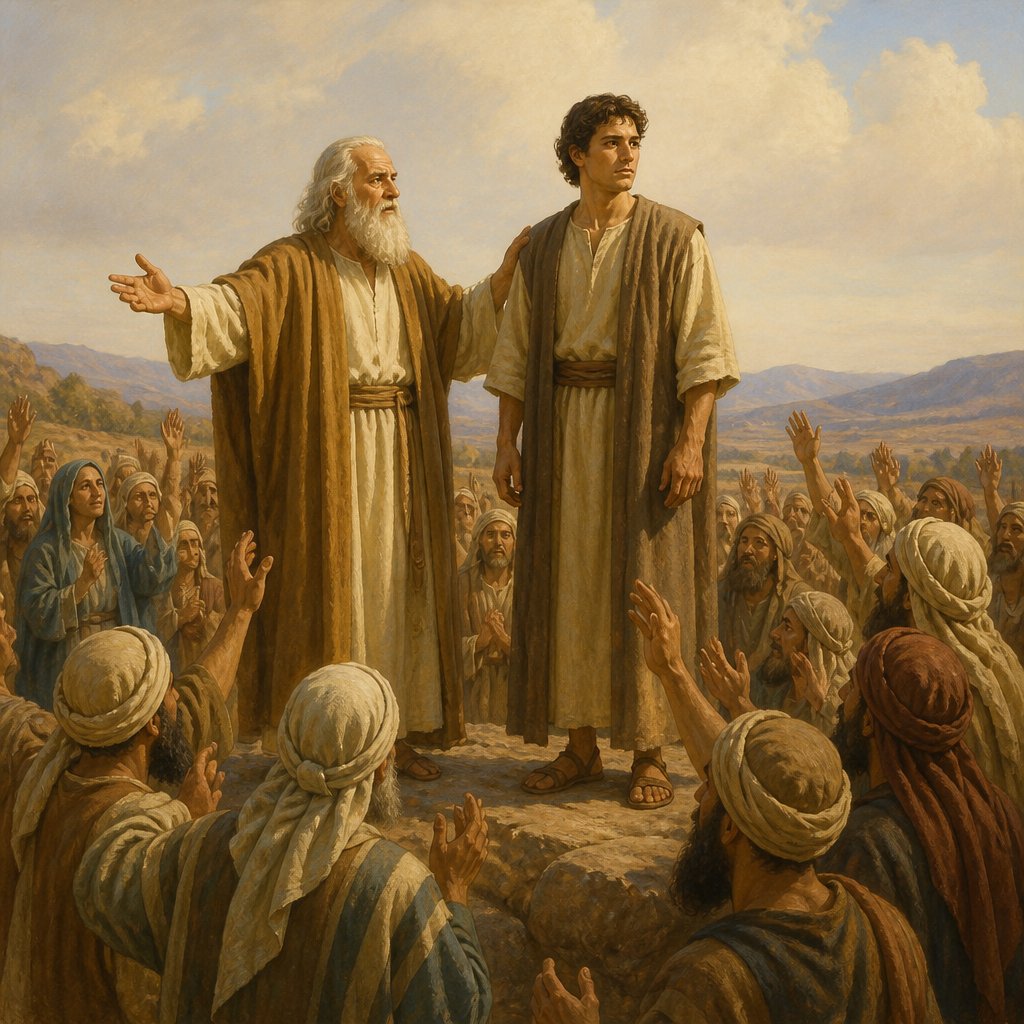
1 Samuel 10:24 (KJV) reads, "And Samuel said to all the people, See ye him whom the LORD hath chosen, that there is none like him among all the people? And all the people shouted, and said, God save the king."
This verse comes from the Old Testament of the Bible, specifically from the book of 1 Samuel. It is a significant event in Israel's history as it marks the formal anointing of Saul as the first king of Israel. This verse takes place during the time of the judges, before the establishment of a monarchy in Israel. The Israelites, who had been ruled by judges appointed by God, sought a change and requested a king like the neighboring nations.
The verse begins with Samuel, the prophet and last of the judges, addressing the people. He asks them to look at the man whom the Lord has chosen as their king. This gesture is significant as it establishes the divine authority and approval of Saul's kingship. Samuel wanted to ensure that the people recognized Saul as the chosen leader by God, rather than someone who had taken power by his own ambitions.
The verse's reference to there being "none like him among all the people" is an affirmation of Saul's physical and perhaps moral qualities as a leader. Saul was described as a tall and handsome man, someone who stood out among the Israelites. Therefore, Samuel's words are meant to emphasize that Saul's status as king was not just a human appointment but had divine backing.
The response of the people to Samuel's declaration is one of affirmation and support. They shout, "God save the king," demonstrating their willingness to accept Saul as their ruler. The phrase "God save the king" is a recognition of Saul's position as the God-appointed leader and a prayer for his success and prosperity. However, it also reflects a shift in the Israelite's political structure, as they were transitioning from a system of judges to a monarchy. This transition was not merely administrative but had deep religious and spiritual implications for the Israelites.
The theme of divine appointment and authority is central to this verse. The Israelites' desire for a king was initially seen as a rejection of God's rule over them (1 Samuel 8:7), but through Samuel's words, it becomes clear that Saul's kingship was indeed part of God's plan. This theme emphasizes the belief in God's sovereignty and His involvement in the affairs of human kingdoms.
The verse also touches on the theme of leadership and its qualities. The mention of Saul being chosen and "none like him" among the people suggests that leadership is not solely about one's physical appearance or charisma but also about being chosen and anointed by God. It sets a precedent for Israelite kingship, indicating that the qualities of a godly king should include recognition of God's authority and guidance in rulership.
Symbolically, this verse represents the turning point in Israel's history. It signifies the end of the period of judges and the beginning of the monarchy. It also serves as a reminder of the Israelites' relationship with God and the importance of acknowledging His authority in the governance of the nation.
In conclusion, 1 Samuel 10:24 captures the transition of power in Israel from the period of judges to the monarchy. It is a declaration of Saul's divine appointment as king and the people's acceptance of his rule. This verse is a pivotal moment in the biblical narrative and carries themes of divine authority, leadership, and the Israelites' relationship with God. It serves as a reminder of the importance of seeking God's guidance in the choice and support of leaders.
Have questions about 1 Samuel 10:24?
Dive deeper into this scripture with Bible Chat — an AI-powered tool for exploring God's Word through conversation. Ask questions, get context, and grow in your understanding of the Bible.
Get Our Apps


1 Samuel 10:24 Artwork

1 Samuel 10:24 - "And Samuel said to all the people, See ye him whom the LORD hath chosen, that there is none like him among all the people? And all the people shouted, and said, God save the king."
"And Samuel said to all the people, See ye him whom the LORD hath chosen, that there is none like him among all the people? And all the people shouted, and said, God save the king." - 1 Samuel 10:24

1 Samuel 10:1 Samuel anoniting Saul

2 Samuel 24:22

2 Samuel 24:22

2 Samuel 24:22

1 Samuel 15:10 - "¶ Then came the word of the LORD unto Samuel, saying,"

1 Samuel 10:17 - "¶ And Samuel called the people together unto the LORD to Mizpeh;"

1 Samuel 3:10 - "And the LORD came, and stood, and called as at other times, Samuel, Samuel. Then Samuel answered, Speak; for thy servant heareth."

1 Samuel 3:1-10

1 Samuel 18:24 - "And the servants of Saul told him, saying, On this manner spake David."

1 Samuel 8:10 - "¶ And Samuel told all the words of the LORD unto the people that asked of him a king."

1 Chronicles 24:10 - "The seventh to Hakkoz, the eighth to Abijah,"

1 Samuel 16:10 - "Again, Jesse made seven of his sons to pass before Samuel. And Samuel said unto Jesse, The LORD hath not chosen these."

1 Samuel 15:24 - "¶ And Saul said unto Samuel, I have sinned: for I have transgressed the commandment of the LORD, and thy words: because I feared the people, and obeyed their voice."

1 Samuel 10:20 - "And when Samuel had caused all the tribes of Israel to come near, the tribe of Benjamin was taken."

1 Samuel 1:10 - "And she was in bitterness of soul, and prayed unto the LORD, and wept sore."

1 Samuel 24:1 - "And it came to pass, when Saul was returned from following the Philistines, that it was told him, saying, Behold, David is in the wilderness of En-gedi."

1 Samuel 21:10-15

1 Samuel 10:15 - "And Saul's uncle said, Tell me, I pray thee, what Samuel said unto you."

1 Samuel 24:10 - "Behold, this day thine eyes have seen how that the LORD had delivered thee to day into mine hand in the cave: and some bade me kill thee: but mine eye spared thee; and I said, I will not put forth mine hand against my lord; for he is the LORD'S anointed."

1 Samuel 10:1 - "Then Samuel took a vial of oil, and poured it upon his head, and kissed him, and said, Is it not because the LORD hath anointed thee to be captain over his inheritance?"

1 Samuel 10:25 - "Then Samuel told the people the manner of the kingdom, and wrote it in a book, and laid it up before the LORD. And Samuel sent all the people away, every man to his house."

1 Samuel 2:24 - "Nay, my sons; for it is no good report that I hear: ye make the LORD'S people to transgress."

1 Samuel 24:13 - "As saith the proverb of the ancients, Wickedness proceedeth from the wicked: but mine hand shall not be upon thee."

1 Samuel 17:24 - "And all the men of Israel, when they saw the man, fled from him, and were sore afraid."

1 Samuel 23:24 - "And they arose, and went to Ziph before Saul: but David and his men were in the wilderness of Maon, in the plain on the south of Jeshimon."

1 Samuel 19:24 - "And he stripped off his clothes also, and prophesied before Samuel in like manner, and lay down naked all that day and all that night. Wherefore they say, Is Saul also among the prophets?"

1 Samuel 24:9 - "¶ And David said to Saul, Wherefore hearest thou men's words, saying, Behold, David seeketh thy hurt?"

"¶ Then came the word of the LORD unto Samuel, saying," - 1 Samuel 15:10