What does 1 Samuel 10:17 mean?
"¶ And Samuel called the people together unto the LORD to Mizpeh;" - 1 Samuel 10:17

The verse 1 Samuel 10:17 from the King James Version reads, "And Samuel called the people together unto the Lord to Mizpeh." This verse comes from the story of the anointing of Saul as the first king of Israel. The verse falls within the broader context of the books of 1 Samuel, which detail the transition of Israel from a loose confederation of tribes to a unified monarchy under the leadership of Saul and later David.
The anointing of Saul as king is a pivotal moment in the history of Israel, and it represents a significant shift in the political and religious life of the nation. It is important to understand the historical and cultural context in which this verse is situated in order to fully appreciate its significance. During this time, Israel was facing external threats from the Philistines and internal instability due to the lack of centralized leadership. The people, therefore, were longing for a strong and charismatic leader who could unite them and lead them to victory against their enemies.
In 1 Samuel 10, the prophet Samuel is instructed by God to anoint Saul as the first king of Israel. Samuel calls the people together to the town of Mizpeh, where the anointing takes place. Mizpeh holds a significant place in Israelite history, as it was a place where important gatherings and ceremonies took place. It was also a place associated with divine intervention and the deliverance of the Israelites from their enemies. Thus, the choice of Mizpeh as the location for Saul's anointing adds a layer of symbolism and significance to the event.
The act of calling the people together to Mizpeh underscores the communal nature of the anointing. By summoning the people to witness the anointing, Samuel is emphasizing that Saul's kingship is not simply a personal matter, but rather a collective decision made by the entire nation. This underscores the transition of Israel from a tribal society to a monarchy, where the authority of the king is derived from the consent and support of the people.
Furthermore, the gathering at Mizpeh serves as a public demonstration of God's endorsement of Saul as king. The presence of the people at the anointing serves as a validation of Saul's authority, as it is witnessed by the entire community. This communal aspect of the anointing highlights the religious and political significance of Saul's kingship. It also symbolizes the covenantal relationship between God, the king, and the people, as the anointing serves as a visible sign of God's choice and the people's acceptance of Saul as their leader.
In addition to its historical and political significance, the gathering at Mizpeh also holds a deeper spiritual and symbolic meaning. The act of calling the people together to the Lord at Mizpeh reflects the biblical theme of communal worship and the importance of collective faith. The gathering at Mizpeh represents a sacred assembly where the people come together to seek the guidance and favor of God. It also serves as a reminder of the shared identity and destiny of the Israelite community, as they come together to reaffirm their allegiance to God and his chosen king.
In conclusion, 1 Samuel 10:17 holds profound significance within the broader narrative of the anointing of Saul as the first king of Israel. The verse not only marks a crucial turning point in the history of Israel but also carries deep symbolic and theological meanings. The gathering at Mizpeh represents a communal affirmation of Saul's kingship, a public demonstration of God's endorsement, and a sacred assembly for worship and covenant renewal. By calling the people together to the Lord at Mizpeh, Samuel is emphasizing the communal and religious nature of Saul's kingship, and highlighting the interconnectedness of faith, politics, and collective identity in the life of the nation.
Have questions about 1 Samuel 10:17?
Dive deeper into this scripture with Bible Chat — an AI-powered tool for exploring God's Word through conversation. Ask questions, get context, and grow in your understanding of the Bible.
Get Our Apps


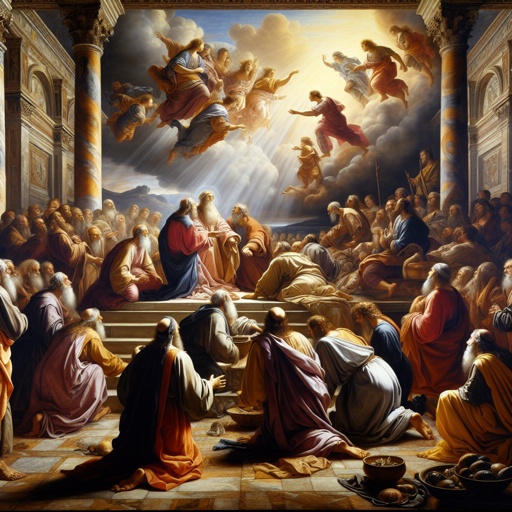
1 Samuel 10:17 Artwork

1 Samuel 10:17 - "¶ And Samuel called the people together unto the LORD to Mizpeh;"

"¶ And Samuel called the people together unto the LORD to Mizpeh;" - 1 Samuel 10:17

1 Samuel 17:10 - "And the Philistine said, I defy the armies of Israel this day; give me a man, that we may fight together."

1 Samuel 10:1 Samuel anoniting Saul

1 Samuel 17:33

1 Samuel 1:15-17

1 Samuel 17:34-35

1 Samuel 17:49

1 Samuel 17:45

1 Samuel 17:49

1 Samuel 17:45

1 samuel 17:3

1 Samuel 17:49

1 Samuel 17:45
1 Samuel 17:49

1 Samuel 15:10 - "¶ Then came the word of the LORD unto Samuel, saying,"

1 Samuel 3:10 - "And the LORD came, and stood, and called as at other times, Samuel, Samuel. Then Samuel answered, Speak; for thy servant heareth."

1 Samuel 3:1-10

2 Samuel 1. 17-27

1 Samuel 17:38-40

1 Samuel 17:14 - "And David was the youngest: and the three eldest followed Saul."

1 Samuel 17:45-49

1 Samuel 8:10 - "¶ And Samuel told all the words of the LORD unto the people that asked of him a king."

1 Samuel 16:10 - "Again, Jesse made seven of his sons to pass before Samuel. And Samuel said unto Jesse, The LORD hath not chosen these."

2 Samuel 10:17 - "And when it was told David, he gathered all Israel together, and passed over Jordan, and came to Helam. And the Syrians set themselves in array against David, and fought with him."

1 Samuel 17:56 - "And the king said, Enquire thou whose son the stripling is."

1 Samuel 10:20 - "And when Samuel had caused all the tribes of Israel to come near, the tribe of Benjamin was taken."

"And the Philistine said, I defy the armies of Israel this day; give me a man, that we may fight together." - 1 Samuel 17:10

1 Samuel 1:10 - "And she was in bitterness of soul, and prayed unto the LORD, and wept sore."

1 Samuel 9:17 - "And when Samuel saw Saul, the LORD said unto him, Behold the man whom I spake to thee of! this same shall reign over my people."