What does 1 Kings 8:46 mean?
"If they sin against thee, (for there is no man that sinneth not,) and thou be angry with them, and deliver them to the enemy, so that they carry them away captives unto the land of the enemy, far or near;" - 1 Kings 8:46
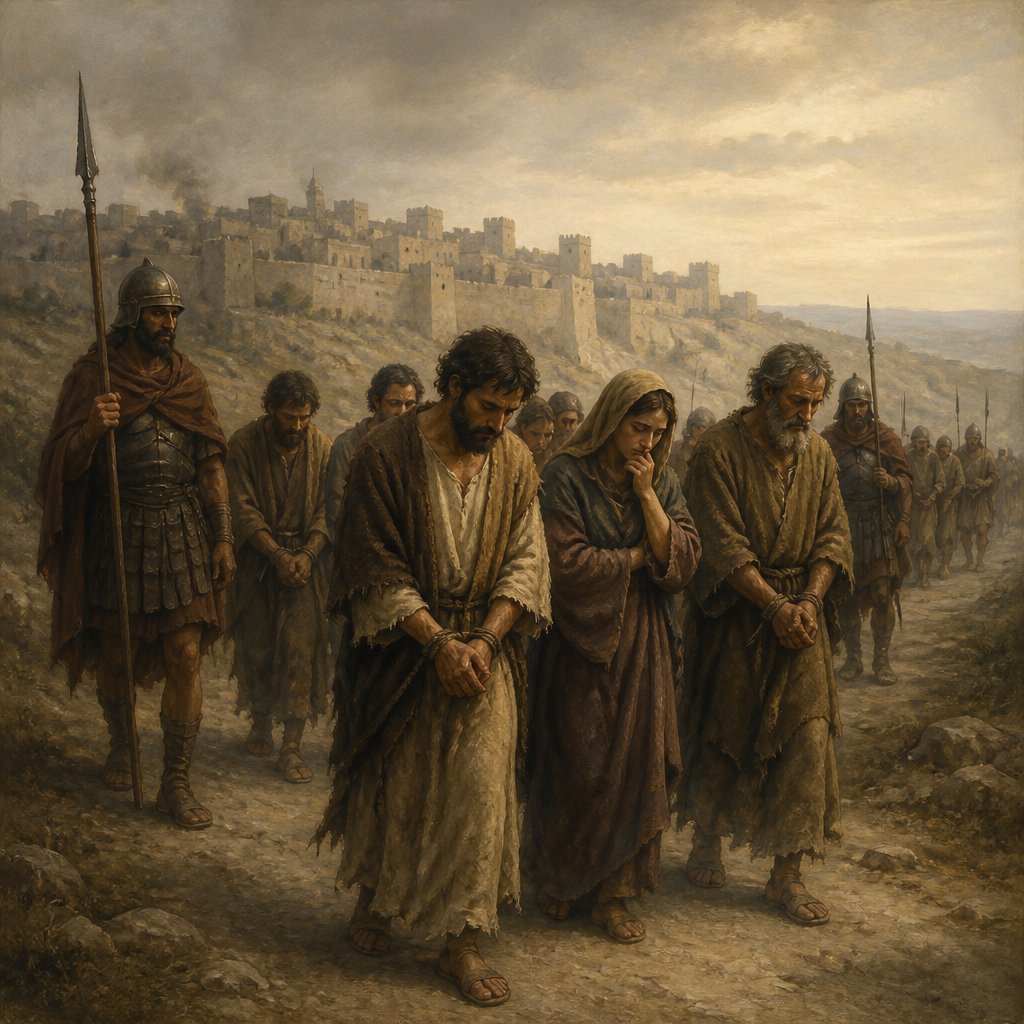
The Bible verse 1 Kings 8:46 from the King James Version states, "If they sin against thee, (for there is no man that sinneth not,) and thou be angry with them, and deliver them to the enemy, so that they carry them away captives unto the land of the enemy, far or near."
This verse is found in the context of King Solomon's prayer of dedication for the newly built temple in Jerusalem. In this intricate and detailed prayer, Solomon acknowledges the sinfulness of human beings and asks for God's forgiveness and mercy. The verse specifically addresses the reality of human sin and the consequences that come as a result.
The verse begins with the acknowledgment that "there is no man that sinneth not," which reflects the understanding of human nature as inherently sinful. This echoes the sentiments expressed in the book of Ecclesiastes, which emphasizes the imperfections and flaws of human existence. The verse recognizes that sin is a universal human experience, and no one is exempt from its presence.
Solomon affirms the reality of God's anger and the consequences of sin. He acknowledges that when the people sin against God, they may face the consequences of His anger, which could result in being delivered to their enemies and carried away into captivity. This reflects the understanding within the biblical narrative that disobedience to God's commands leads to negative consequences and separation from His presence. This theme is echoed throughout the Old Testament, particularly in the stories of the Israelites' disobedience and the resulting judgment they faced.
The verse also acknowledges the location of the captivity, stating that it could be "far or near." This reflects the understanding that no matter where the people find themselves, whether near or far from their homeland, if they sin against God, they may face the repercussions of their actions.
The symbolism in this verse lies in the imagery of being delivered to the enemy and carried away captive. Throughout the Old Testament, the motif of captivity is used to symbolize the spiritual bondage that comes as a result of sin. It represents the separation from God and the loss of freedom that occurs when people turn away from Him. The image of being carried away by the enemy serves as a vivid reminder of the consequences of disobedience and the need for repentance and reconciliation with God.
In a larger context, this verse also speaks to the universal human condition and the need for redemption. It underscores the reality of human sinfulness and the consequences that come as a result. However, it also points to the mercy and forgiveness of God, as seen in Solomon's prayer of dedication for the temple. Despite the acknowledgment of sin and its consequences, there is a recognition of God's willingness to forgive and restore when His people turn to Him in repentance.
In conclusion, 1 Kings 8:46 reflects the universal reality of human sin and the consequences that come as a result. It acknowledges the necessity of God's forgiveness and mercy in the face of disobedience. The verse also serves as a reminder of the need for repentance and reconciliation with God. Ultimately, it points to the hope of restoration and redemption that comes through the grace of God.
Have questions about 1 Kings 8:46?
Dive deeper into this scripture with Bible Chat — an AI-powered tool for exploring God's Word through conversation. Ask questions, get context, and grow in your understanding of the Bible.
Get Our Apps


1 Kings 8:46 Artwork

1 Kings 8:46 - "If they sin against thee, (for there is no man that sinneth not,) and thou be angry with them, and deliver them to the enemy, so that they carry them away captives unto the land of the enemy, far or near;"
"If they sin against thee, (for there is no man that sinneth not,) and thou be angry with them, and deliver them to the enemy, so that they carry them away captives unto the land of the enemy, far or near;" - 1 Kings 8:46

1 Kings 1:46 - "And also Solomon sitteth on the throne of the kingdom."

1 Kings 7:46 - "In the plain of Jordan did the king cast them, in the clay ground between Succoth and Zarthan."

"And also Solomon sitteth on the throne of the kingdom." - 1 Kings 1:46

1 Kings 18:46 - "And the hand of the LORD was on Elijah; and he girded up his loins, and ran before Ahab to the entrance of Jezreel."

1 Kings 22:46 - "And the remnant of the sodomites, which remained in the days of his father Asa, he took out of the land."

1 Kings 2:46 - "So the king commanded Benaiah the son of Jehoiada; which went out, and fell upon him, that he died. And the kingdom was established in the hand of Solomon."

Psalm 119:46 (KJVA) 46 I will speak of thy testimonies also before kings, and will not be ashamed.

Psalm 119:46 (KJVA) 46 I will speak of thy testimonies also before kings, and will not be ashamed.

1 Kings 8:6-8

1 Kings 8:10

1 Kings 8:21

1 Kings 8:21

1 Kings 8:10

1 kings 8:7

1 Kings 8:10

1 Kings 8:10

1 Kings 8:7

1 Kings 8:21

1 Kings 8:10

Psalms 119:46 - "I will speak of thy testimonies also before kings, and will not be ashamed."

Psalm 119:46 (KJVA) 46 I will speak of thy testimonies also before kings, and will not be ashamed.

1 Kings 8:10

1 kings 8:7

1 Kings 8:22

1 Kings 8:21

1 Kings 8:10

"In the plain of Jordan did the king cast them, in the clay ground between Succoth and Zarthan." - 1 Kings 7:46

1 Kings 4:8 - "And these are their names: The son of Hur, in mount Ephraim:"