What does 1 Kings 7:48 mean?
"And Solomon made all the vessels that pertained unto the house of the LORD: the altar of gold, and the table of gold, whereupon the shewbread was," - 1 Kings 7:48
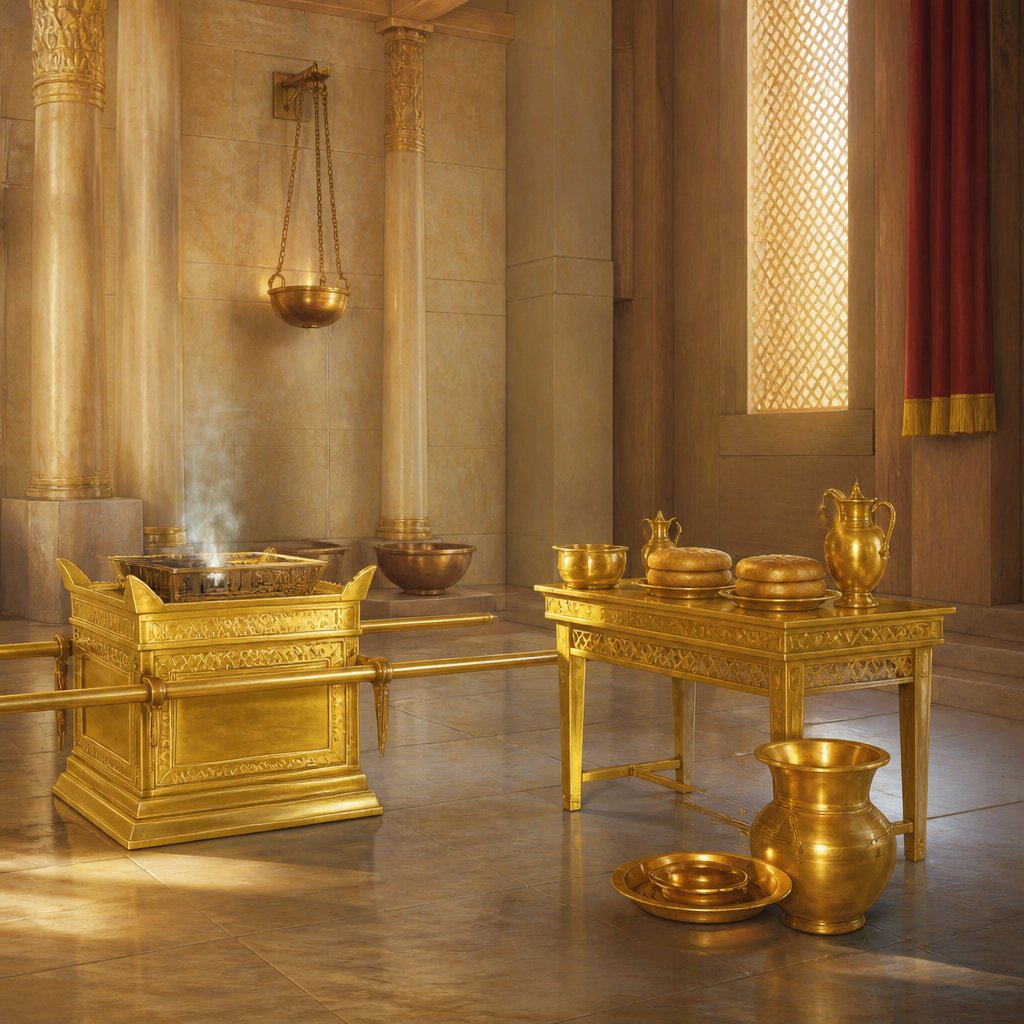
The verse 1 Kings 7:48 states, "And Solomon made all the vessels that pertained unto the house of the Lord: the altar of gold, and the table of gold, whereupon the shewbread was." This verse is part of the description of the construction of the temple of the Lord, which was commissioned by King Solomon.
This verse reflects the opulence and grandeur of the temple that was built to honor God. It speaks of the vessels and furniture that were made specifically for use in the house of the Lord. The mention of the altar and the table, both made of gold, highlights the value and significance of these items in the worship and service of God.
The context of this verse is important for understanding its significance. King Solomon, the son of King David, was known for his wisdom, wealth, and building projects. He undertook the construction of the temple in Jerusalem as a tribute to God, who had granted him great success and prosperity. The temple was a symbol of God's presence among his people and a place for worship, sacrifice, and prayer.
The construction of the temple and its furnishings was a significant event in the history of the Israelites. It represented the fulfillment of a promise made by God to David, and it became a central place for religious ceremonies and rites. The description of the vessels and furniture of the temple highlights the care and attention to detail that was given to its construction, as well as the dedication and reverence with which it was built.
The use of gold in the construction of the altar and table is symbolic of their importance and sanctity. Gold is a precious metal that is often associated with royalty and divinity. In this context, it symbolizes the holiness and sacredness of the items used in the worship of God. It also reflects the wealth and prosperity of the Israelite kingdom under Solomon's rule.
The mention of the "shewbread" on the table further emphasizes the ritualistic and spiritual significance of these items. The shewbread, also known as the bread of the Presence, was a set of 12 loaves of bread that were placed on the table in the sanctuary of the temple as an offering to the Lord. It symbolized the sustenance and provision that God provided to his people and the importance of regular worship and sacrifice.
Overall, this verse reflects the importance of the temple as a place of worship and the reverence with which it was built. It underscores the value and significance of the items used in the service of God, as well as the wealth and prosperity of the kingdom under Solomon's rule. It also serves as a reminder of the covenant between God and his people and the central role of worship and sacrifice in their relationship.
In conclusion, 1 Kings 7:48 is a verse that highlights the construction and significance of the temple of the Lord under the reign of King Solomon. It symbolizes the wealth and prosperity of the kingdom, as well as the importance of worship and sacrifice in the religious life of the Israelites. The use of gold in the construction of the altar and table underscores their holiness and sanctity, while the mention of the shewbread emphasizes the ritualistic and spiritual significance of these items. Overall, this verse serves as a reminder of the central role of the temple in the lives of the Israelites and their relationship with God.
Have questions about 1 Kings 7:48?
Dive deeper into this scripture with Bible Chat — an AI-powered tool for exploring God's Word through conversation. Ask questions, get context, and grow in your understanding of the Bible.
Get Our Apps


1 Kings 7:48 Artwork

1 Kings 7:48 - "And Solomon made all the vessels that pertained unto the house of the LORD: the altar of gold, and the table of gold, whereupon the shewbread was,"
"And Solomon made all the vessels that pertained unto the house of the LORD: the altar of gold, and the table of gold, whereupon the shewbread was," - 1 Kings 7:48

1 Kings 22:48 - "Jehoshaphat made ships of Tharshish to go to Ophir for gold: but they went not; for the ships were broken at Ezion-geber."

1 Kings 1:48 - "And also thus said the king, Blessed be the LORD God of Israel, which hath given one to sit on my throne this day, mine eyes even seeing it."

1 Kings 7:27-38

1 Kings 7:27-38

Psalms 48:4 - "For, lo, the kings were assembled, they passed by together."

1 kings 8:7

Nehemiah 7:48 - "The children of Lebana, the children of Hagaba, the children of Shalmai,"

John 7:48 - "Have any of the rulers or of the Pharisees believed on him?"

Psalms 48:7 - "Thou breakest the ships of Tarshish with an east wind."

1 kings 8:7

1 Kings 8:7

Luke 7:48 - "And he said unto her, Thy sins are forgiven."

1 Kings 7:43 - "And the ten bases, and ten lavers on the bases;"

1 Kings 7:13 - "¶ And king Solomon sent and fetched Hiram out of Tyre."

Acts 7:48 - "Howbeit the most High dwelleth not in temples made with hands; as saith the prophet,"

Numbers 7:48 - "¶ On the seventh day Elishama the son of Ammihud, prince of the children of Ephraim, offered:"

Isaiah 48

Isaiah 48

Isaiah 48

"Jehoshaphat made ships of Tharshish to go to Ophir for gold: but they went not; for the ships were broken at Ezion-geber." - 1 Kings 22:48

1 Kings 7:44 - "And one sea, and twelve oxen under the sea;"

Ezekiel 48:7 - "And by the border of Reuben, from the east side unto the west side, a portion for Judah."

"For, lo, the kings were assembled, they passed by together." - Psalms 48:4

Isaiah 48:5
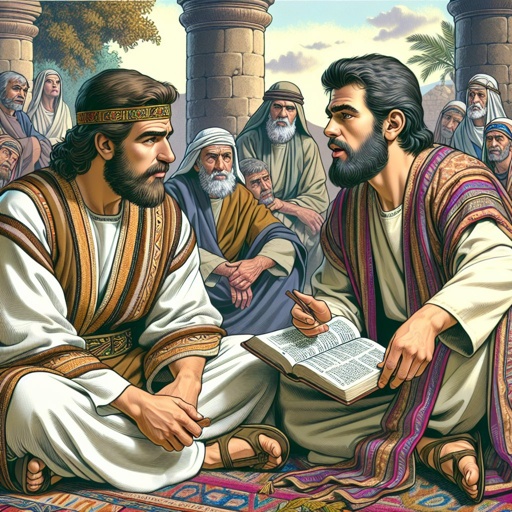
1 Kings 1:7 - "And he conferred with Joab the son of Zeruiah, and with Abiathar the priest: and they following Adonijah helped him."

Isaiah 48:5

1 Kings 7:1 - "But Solomon was building his own house thirteen years, and he finished all his house."

1 Kings 15:7 - "Now the rest of the acts of Abijam, and all that he did, are they not written in the book of the chronicles of the kings of Judah? And there was war between Abijam and Jeroboam."