What does 1 Kings 6:18 mean?
"And the cedar of the house within was carved with knops and open flowers: all was cedar; there was no stone seen." - 1 Kings 6:18

" 1 Kings 6:18 - And the cedar of the house within was carved with knops and open flowers: all was cedar; there was no stone seen."
The Book of 1 Kings in the Bible recounts the construction of the temple in Jerusalem by King Solomon. This particular verse describes the intricate carvings and decorations inside the temple, specifically focusing on the use of cedar wood and the absence of stone.
In order to fully understand the significance of this verse, it is important to consider the historical and cultural context in which it was written. The temple was a central aspect of Israelite religious life, serving as a place of worship and sacrifice. Its construction was a monumental undertaking, and every detail was carefully planned and executed.
The use of cedar wood in the temple's interior is significant for several reasons. First, cedar was highly valued in the ancient Near East for its durability and beauty. It was considered a symbol of strength and longevity, making it a fitting material for the house of God. Additionally, cedar was also associated with royalty and nobility, so its use in the temple underscored the grandeur and importance of the structure.
The intricate carvings of knops and open flowers further highlight the meticulous craftsmanship of the temple's construction. These decorations would have added to the beauty and splendor of the interior, creating a sense of awe and reverence for anyone entering the sacred space.
The absence of stone in the interior of the temple is also significant. Stone was a common building material in ancient architecture, and its absence in the temple's interior suggests a deliberate departure from conventional construction practices. This choice may have been intended to symbolize the purity and holiness of the temple, setting it apart from ordinary structures.
Symbolically, the use of cedar and the absence of stone in the temple's interior can be interpreted in several ways. As mentioned earlier, cedar represents strength, longevity, and nobility, qualities that are fitting for a dwelling place of God. The absence of stone may symbolize the absence of any human-made or earthly elements within the sacred space, emphasizing the divine nature of the temple.
From a thematic perspective, this verse emphasizes the importance of craftsmanship, beauty, and attention to detail in the service of God. It underscores the significance of creating a sacred space that reflects the glory and holiness of God. Additionally, the verse also highlights the value of using the finest materials and the highest level of skill in the construction of the temple, demonstrating the Israelites' dedication to honoring God through their work.
In conclusion, 1 Kings 6:18 offers a glimpse into the grandeur and significance of the temple in Jerusalem. Through its detailed description of the temple's interior, the verse conveys the meticulous craftsmanship, the use of symbolic materials, and the reverence for the divine that characterized its construction. It serves as a reminder of the Israelites' commitment to honoring God through the creation of a sacred and awe-inspiring place of worship.
Have questions about 1 Kings 6:18?
Dive deeper into this scripture with Bible Chat — an AI-powered tool for exploring God's Word through conversation. Ask questions, get context, and grow in your understanding of the Bible.
Get Our Apps


1 Kings 6:18 Artwork

1 Kings 6:18 - "And the cedar of the house within was carved with knops and open flowers: all was cedar; there was no stone seen."

"And the cedar of the house within was carved with knops and open flowers: all was cedar; there was no stone seen." - 1 Kings 6:18

1 Kings 18:6 - "So they divided the land between them to pass throughout it: Ahab went one way by himself, and Obadiah went another way by himself."

1 Kings 19:1-18

1 Kings 6:11-13

1 Kings 6:11-13

1 Kings 6:11-13

1 Kings 6:11-13

1 Kings 6:11-13

1 Kings 4:18 - "Shimei the son of Elah, in Benjamin:"

1 Kings 9:18 - "And Baalath, and Tadmor in the wilderness, in the land,"

2 Kings 1:18 - "Now the rest of the acts of Ahaziah which he did, are they not written in the book of the chronicles of the kings of Israel?"

1 Kings 1:18 - "And now, behold, Adonijah reigneth; and now, my lord the king, thou knowest it not:"

2 Kings 18:6 - "For he clave to the LORD, and departed not from following him, but kept his commandments, which the LORD commanded Moses."

1 Kings 10:18 - "¶ Moreover the king made a great throne of ivory, and overlaid it with the best gold."

2 Kings 6:18 - "And when they came down to him, Elisha prayed unto the LORD, and said, Smite this people, I pray thee, with blindness. And he smote them with blindness according to the word of Elisha."

1 Kings 2:18 - "And Bath-sheba said, Well; I will speak for thee unto the king."

1 Kings 6:28 - "And he overlaid the cherubims with gold."

1 Kings 8:6-8

1 Kings 6:14 - "So Solomon built the house, and finished it."

1 Kings 6:11 - "¶ And the word of the LORD came to Solomon, saying,"

1 Kings 18:2 - "And Elijah went to shew himself unto Ahab. And there was a sore famine in Samaria."

Elijah in the scene 1 Kings 18:36–38

1 Kings 18:35 - "And the water ran round about the altar; and he filled the trench also with water."

1 Kings 18:11 - "And now thou sayest, Go, tell thy lord, Behold, Elijah is here."

1 Timothy 6:15-16 – "God, the blessed and only Ruler, the King of kings and Lord of lords."

1 Timothy 6:15-16 – "God, the blessed and only Ruler, the King of kings and Lord of lords."
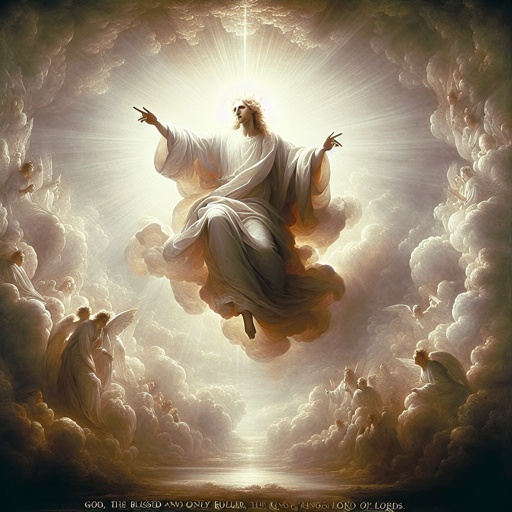
1 Timothy 6:15-16 – "God, the blessed and only Ruler, the King of kings and Lord of lords."

1 Kings 6:4 - "And for the house he made windows of narrow lights."

1 Kings 6:17 - "And the house, that is, the temple before it, was forty cubits long."