What does 1 Kings 4:14 mean?
"Ahinadab the son of Iddo had Mahanaim:" - 1 Kings 4:14

1 Kings 4:14 (KJV) states, "Ahinadab the son of Iddo had Mahanaim." This seemingly simple verse is part of a larger passage that details the organization and administration of King Solomon's government. While on the surface it may appear to be just a list of names and places, a deeper analysis reveals themes of leadership, organization, and the fulfillment of God's promise to Israel.
Contextually, this verse is found in the Book of 1 Kings, which is part of the historical narrative of the Israelite monarchy. In this particular chapter, Solomon is consolidating his reign as king and is described as establishing a well-organized and efficient government. The verse comes within the section that lists the officials appointed to govern different regions of the kingdom. These officials were responsible for overseeing the collection of provisions for the king and the royal household, demonstrating the level of organization and administration within Solomon's reign.
Ahinadab the son of Iddo's appointment to Mahanaim is significant within this administrative context. Mahanaim was a city located east of the Jordan River and had historical significance as the place where Jacob encountered angels before meeting his brother, Esau. The appointment of Ahinadab to Mahanaim may have symbolized Solomon's desire to maintain control and governance over the entire territory of Israel, including the eastern regions beyond the Jordan. This demonstrates Solomon's intention to establish his authority and influence over a wide geographical area, ensuring stability and unity within his kingdom.
In addition to the historical and administrative context, there are deeper themes and symbolism that can be explored within this verse. The name "Ahinadab" means "my brother is noble," and "Iddo" means "timely." The significance of these names within the biblical narrative may point to the noble and timely nature of leadership within Solomon's government. The appointment of Ahinadab could symbolize the importance of having leaders who are of noble character and who exercise their authority in a timely and just manner. This reflects the biblical principles of good governance and leadership that are often emphasized throughout the Old Testament.
Furthermore, the city of Mahanaim itself holds symbolic significance. As mentioned earlier, it was a place of divine encounter for Jacob, where he wrestled with an angel and was reconciled with his brother. This reconciliation and divine encounter may symbolize the potential for unity and peace within the kingdom under Solomon's rule. By appointing Ahinadab to Mahanaim, Solomon may have been expressing his desire for reconciliation and unity within the diverse regions of Israel, showing his commitment to governing with wisdom and justice.
The verse also ties into the broader theme of the fulfillment of God's promise to Israel. Throughout the Old Testament, God promises to establish a kingdom for His people and to bless them with peace and prosperity under a righteous king. Solomon's reign is often seen as a fulfillment of these promises, and the administrative details outlined in 1 Kings 4 demonstrate the fulfillment of God's promise through the establishment of a well-ordered and prosperous kingdom under Solomon's rule.
In conclusion, 1 Kings 4:14 may seem like a simple administrative detail at first glance, but upon closer examination, it reveals themes of leadership, organization, and the fulfillment of God's promises. The appointment of Ahinadab to Mahanaim symbolizes Solomon's commitment to governance, unity, and the fulfillment of God's promises to Israel. This verse serves as a reminder of the importance of noble and timely leadership, as well as the potential for reconciliation and unity within God's kingdom.
Have questions about 1 Kings 4:14?
Dive deeper into this scripture with Bible Chat — an AI-powered tool for exploring God's Word through conversation. Ask questions, get context, and grow in your understanding of the Bible.
Get Our Apps


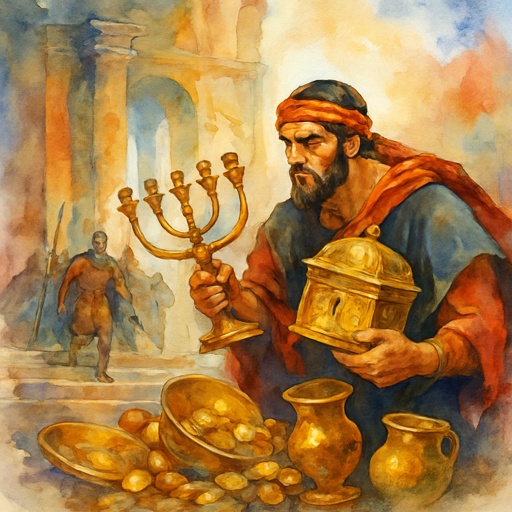
1 Kings 4:14 Artwork

1 Kings 4:14 - "Ahinadab the son of Iddo had Mahanaim:"

"Ahinadab the son of Iddo had Mahanaim:" - 1 Kings 4:14

1 Kings 14:4 - "And Jeroboam's wife did so, and arose, and went to Shiloh, and came to the house of Ahijah. But Ahijah could not see; for his eyes were set by reason of his age."

1 Kings 14:26
1 Kings 14:26

1 Kings 14:1-20

1 Kings 12:14

1 Kings 12:14

1 Kings 14:1 - "At that time Abijah the son of Jeroboam fell sick."

2 Kings 4:14 - "And he said, What then is to be done for her? And Gehazi answered, Verily she hath no child, and her husband is old."

1 Kings 9:14 - "And Hiram sent to the king sixscore talents of gold."

1 Kings 4:1 - "So king Solomon was king over all Israel."

1 Kings 14:29 - "¶ Now the rest of the acts of Rehoboam, and all that he did, are they not written in the book of the chronicles of the kings of Judah?"

1 Kings 16:14 - "Now the rest of the acts of Elah, and all that he did, are they not written in the book of the chronicles of the kings of Israel?"

1 Kings 6:14 - "So Solomon built the house, and finished it."

1 Kings 21:14 - "Then they sent to Jezebel, saying, Naboth is stoned, and is dead."

1 Kings 14:30 - "And there was war between Rehoboam and Jeroboam all their days."

2 Kings 14:4 - "Howbeit the high places were not taken away: as yet the people did sacrifice and burnt incense on the high places."

1 Kings 4:17 - "Jehoshaphat the son of Paruah, in Issachar:"

1 Kings 14:19 - "And the rest of the acts of Jeroboam, how he warred, and how he reigned, behold, they are written in the book of the chronicles of the kings of Israel."

1 Kings 4:4 - "And Benaiah the son of Jehoiada was over the host: and Zadok and Abiathar were the priests:"

1 Kings 1:4 - "And the damsel was very fair, and cherished the king, and ministered to him: but the king knew her not."

1 Thessalonians 4:14

1 Kings 4:18 - "Shimei the son of Elah, in Benjamin:"

Jeremiah 29: 4-14

Daniel 4:13-14

Jeremiah 29: 4-14

Daniel 4:10-14

Jeremiah 29: 4-14

Jeremiah 29: 4-14