What does 1 Kings 4:12 mean?
"Baana the son of Ahilud; to him pertained Taanach and Megiddo, and all Beth-shean, which is by Zartanah beneath Jezreel, from Beth-shean to Abel-meholah, even unto the place that is beyond Jokneam:" - 1 Kings 4:12
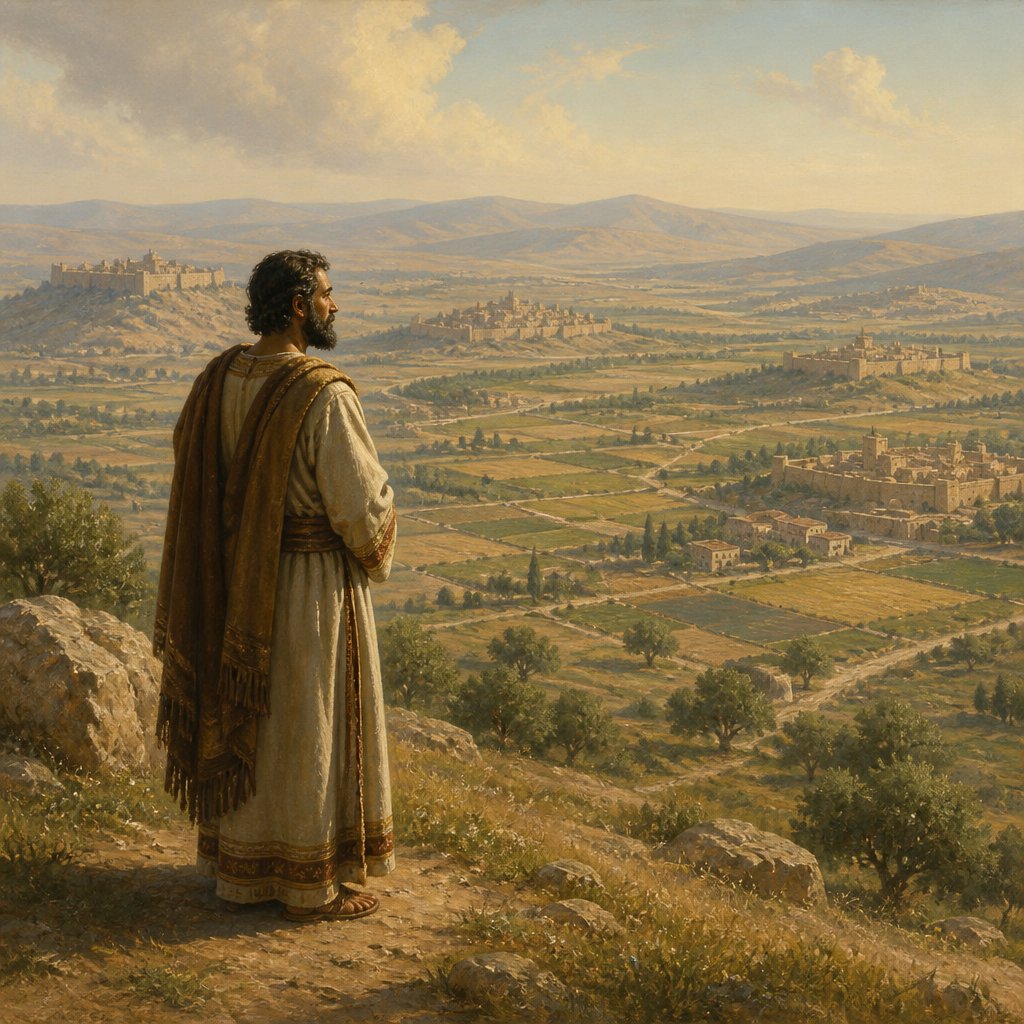
1 Kings 4:12 (KJV) says, "Baana the son of Ahilud; to him pertained Taanach and Megiddo, and all Bethshean, which is by Zartanah beneath Jezreel, from Bethshean to Abel-meholah, even unto the place that is beyond Jokneam."
This verse is a part of a larger passage that lists the twelve district governors appointed by King Solomon to help manage his kingdom. The verse itself refers to the territory assigned to Baana, the son of Ahilud. The territories mentioned in this verse—Taanach, Megiddo, Bethshean, Zartanah, Jezreel, Abel-meholah, and Jokneam—are all located in the region of northern Israel, which was under Solomon's rule.
In order to truly understand the meaning and commentary of this verse, it is important to consider the context in which it is found. King Solomon was the son of King David and is known for his wisdom and wealth. He ruled over Israel at its peak, and his kingdom was characterized by peace and prosperity. As part of his administration, Solomon appointed twelve governors to help him manage the various regions of his kingdom. These governors were responsible for collecting taxes, overseeing public works, and maintaining law and order within their respective districts.
In this verse, the territory assigned to Baana is significant because it includes several important cities and regions. Taanach, Megiddo, and Bethshean were strategically located cities that controlled important trade routes and were significant in the history of Israel. Jezreel, located in the same region, was known for its fertile land and agricultural production. Abel-meholah and Jokneam were also important locations in northern Israel.
From a historical and geographical perspective, this verse reflects the division of Solomon's kingdom into distinct administrative regions. Each district was assigned to a governor who was responsible for overseeing the affairs of that region. The territories mentioned in this verse were known for their economic, political, and cultural significance, and the appointment of Baana as their governor would have been a position of great influence and authority.
Symbolically, this verse can be interpreted as a reflection of the order and organization within Solomon's kingdom. The division of the kingdom into districts and the appointment of governors demonstrates Solomon's desire for efficient governance and the delegation of responsibilities. It also highlights the scope and diversity of Solomon's rule, as he sought to govern not only the capital city of Jerusalem but also the outlying regions and cities.
Furthermore, this verse demonstrates the strategic importance of the territories mentioned. These locations were not only significant in terms of trade and agriculture but also played a role in the military and political history of Israel. By assigning a trusted governor like Baana to these territories, Solomon was ensuring that his rule would be upheld in these crucial areas.
In conclusion, 1 Kings 4:12 is a verse that provides insight into the organization and governance of Solomon's kingdom. It reflects the division of the kingdom into distinct administrative regions and the appointment of governors to oversee these territories. It also symbolizes the strategic significance of the locations mentioned and highlights Solomon's commitment to efficient and effective governance. Overall, this verse is a testament to the wisdom and foresight of King Solomon in managing his kingdom and ensuring its prosperity and stability.
Have questions about 1 Kings 4:12?
Dive deeper into this scripture with Bible Chat — an AI-powered tool for exploring God's Word through conversation. Ask questions, get context, and grow in your understanding of the Bible.
Get Our Apps


1 Kings 4:12 Artwork

1 Kings 4:12 - "Baana the son of Ahilud; to him pertained Taanach and Megiddo, and all Beth-shean, which is by Zartanah beneath Jezreel, from Beth-shean to Abel-meholah, even unto the place that is beyond Jokneam:"
"Baana the son of Ahilud; to him pertained Taanach and Megiddo, and all Beth-shean, which is by Zartanah beneath Jezreel, from Beth-shean to Abel-meholah, even unto the place that is beyond Jokneam:" - 1 Kings 4:12
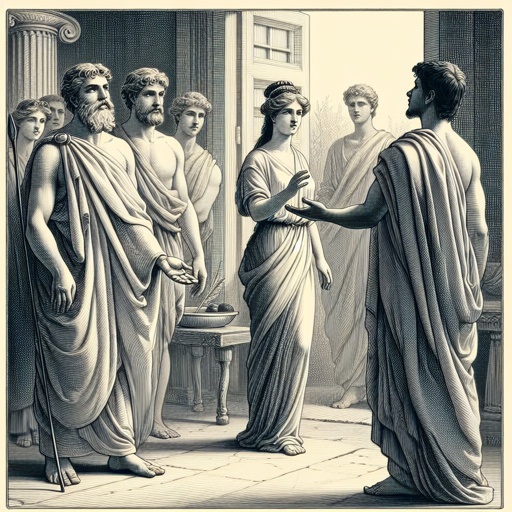
2 Kings 4:12 - "And he said to Gehazi his servant, Call this Shunammite. And when he had called her, she stood before him."

1 Kings 12:11

1 Kings 12:11

1 Kings 12:10

1 Kings 12:10

1 Kings 12:10

1 kings 3:12

1 Kings 12:11

1 Kings 12:10

1 Kings 12:11

1 Kings 12:14

1 Kings 12:14

1 Kings 12:11

1 Kings 12:4 - "Thy father made our yoke grievous: now therefore make thou the grievous service of thy father, and his heavy yoke which he put upon us, lighter, and we will serve thee."

1 Kings 4:1 - "So king Solomon was king over all Israel."

1 Kings 12:1 - "And Rehoboam went to Shechem: for all Israel were come to Shechem to make him king."

1 Samuel 4:12

1 Kings 4:17 - "Jehoshaphat the son of Paruah, in Issachar:"

1 Kings 4:4 - "And Benaiah the son of Jehoiada was over the host: and Zadok and Abiathar were the priests:"

1 Kings 1:4 - "And the damsel was very fair, and cherished the king, and ministered to him: but the king knew her not."

Lamentations 4:12 - "The kings of the earth, and all the inhabitants of the world, would not have believed that the adversary and the enemy should have entered into the gates of Jerusalem."

1 Kings 4:18 - "Shimei the son of Elah, in Benjamin:"

1 Kings 4:14 - "Ahinadab the son of Iddo had Mahanaim:"

1 Kings 21:12 - "They proclaimed a fast, and set Naboth on high among the people."

1 Kings 12:12 - "¶ So Jeroboam and all the people came to Rehoboam the third day, as the king had appointed, saying, Come to me again the third day."

1 Kings 4:8 - "And these are their names: The son of Hur, in mount Ephraim:"

1 Kings 12:19 - "So Israel rebelled against the house of David unto this day."

1 Kings 12:22 - "But the word of God came unto Shemaiah the man of God, saying,"