What does 1 Kings 4:10 mean?
"The son of Hesed, in Aruboth; to him pertained Sochoh, and all the land of Hepher:" - 1 Kings 4:10
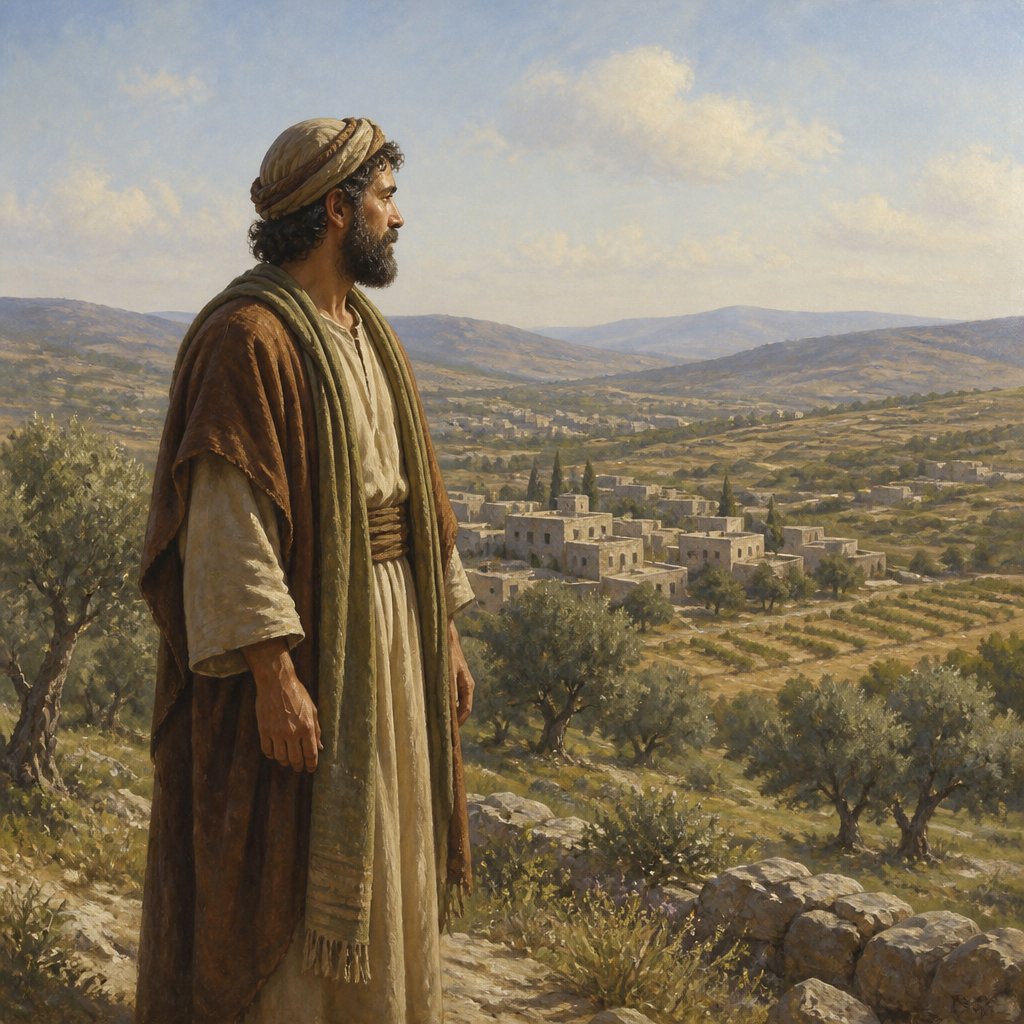
The verse 1 Kings 4:10 from the King James Version of the Bible states, "The son of Hesed, in Aruboth; to him pertained Sochoh, and all the land of Hepher." This verse is part of a larger passage that describes the organization of King Solomon's kingdom, particularly his system of governance and administration. In order to fully understand the meaning and significance of this verse, it is important to consider the broader context of the passage and the themes that are present in the book of 1 Kings.
The book of 1 Kings is a historical narrative that chronicles the reigns of several kings of Israel, including King Solomon. The passage in which 1 Kings 4:10 appears describes the wisdom and prosperity of Solomon's kingdom. In the preceding verses, it is mentioned that Solomon had twelve officers who were responsible for providing food for the king and his household. Each officer was responsible for providing supplies for one month out of the year, and 1 Kings 4:10 specifically mentions one of these officers, the son of Hesed, who was in charge of the region of Aruboth, including Sochoh and all the land of Hepher.
One of the central themes in the book of 1 Kings is the establishment and maintenance of a kingdom. The selection of these twelve officers reflects Solomon's commitment to efficiently and effectively managing his vast kingdom. The mention of the son of Hesed and his responsibility over a specific region underscores the meticulous organization and division of labor within the kingdom. It also highlights the importance of delegation and accountability in governance.
Furthermore, the mention of the specific regions of Aruboth, Sochoh, and Hepher may have symbolic significance. Each of these regions had its own unique characteristics and resources, and the appointment of the son of Hesed to oversee them would have required a deep understanding of the local context and needs. This may be interpreted as a demonstration of Solomon's commitment to ensuring that each part of his kingdom was well-managed and cared for, reflecting his wisdom and concern for the well-being of his people.
Symbolically, the mention of the son of Hesed and his territories may also be interpreted as a metaphor for the broader responsibilities and duties of leadership. The careful allocation of resources and management of different regions within the kingdom can be seen as reflective of the responsibilities of leaders to wisely govern and care for their people, recognizing and responding to their diverse needs.
In a larger theological and spiritual context, the verse can be interpreted as a reminder of the importance of stewardship and leadership. The appointment of the son of Hesed to oversee specific regions serves as a model for leaders to exercise sound judgment, foresight, and responsibility in the governance of their domains. It also underscores the biblical principles of diligence, order, and accountability in the management of resources and the welfare of the people.
In conclusion, 1 Kings 4:10, within the broader context of the book of 1 Kings, speaks to the themes of governance, leadership, and stewardship. The verse highlights the meticulous organization and division of labor within Solomon's kingdom, as well as the commitment to caring for the diverse needs of the people. It also serves as a reminder of the responsibilities and duties of leadership, emphasizing the importance of wisdom, diligence, and accountability in the governance of a kingdom. This verse offers valuable insights into biblical principles of leadership and stewardship that remain relevant and instructive for leaders today.
Have questions about 1 Kings 4:10?
Dive deeper into this scripture with Bible Chat — an AI-powered tool for exploring God's Word through conversation. Ask questions, get context, and grow in your understanding of the Bible.
Get Our Apps


1 Kings 4:10 Artwork

1 Kings 4:10 - "The son of Hesed, in Aruboth; to him pertained Sochoh, and all the land of Hepher:"

"The son of Hesed, in Aruboth; to him pertained Sochoh, and all the land of Hepher:" - 1 Kings 4:10

1 Kings 10:4 - "And when the queen of Sheba had seen all Solomon's wisdom, and the house that he had built,"

1 Kings 10:1

1 Kings 10:1

1 kings 10:1

2 Kings 10:4 - "But they were exceedingly afraid, and said, Behold, two kings stood not before him: how then shall we stand?"

1 Kings 10:23 - "So king Solomon exceeded all the kings of the earth for riches and for wisdom."

1 Kings 8:10

1 Kings 12:10

1 Kings 12:10

1 Kings 8:10

1 Kings 8:10

1 Kings 8:10

1 Kings 8:10

1 Kings 12:10

1 Kings 12:10

1 Kings 8:10

1 Kings 8:10

1 Kings 4:1 - "So king Solomon was king over all Israel."

"And when the queen of Sheba had seen all Solomon's wisdom, and the house that he had built," - 1 Kings 10:4

1 Kings 10:15 - "Beside that he had of the merchantmen, and of the traffick of the spice merchants, and of all the kings of Arabia, and of the governors of the country."

1 Kings 4:17 - "Jehoshaphat the son of Paruah, in Issachar:"

1 Kings 4:4 - "And Benaiah the son of Jehoiada was over the host: and Zadok and Abiathar were the priests:"

1 Kings 1:4 - "And the damsel was very fair, and cherished the king, and ministered to him: but the king knew her not."

1 Kings 4:18 - "Shimei the son of Elah, in Benjamin:"

1 Kings 1:10 - "But Nathan the prophet, and Benaiah, and the mighty men, and Solomon his brother, he called not."

1 Kings 4:14 - "Ahinadab the son of Iddo had Mahanaim:"

1 Kings 4:8 - "And these are their names: The son of Hur, in mount Ephraim:"

1 Kings 3:10 - "And the speech pleased the Lord, that Solomon had asked this thing."