What does 1 Kings 2:2-4 mean?
"I go the way of all the earth: be thou strong therefore, and shew thyself a man; And keep the charge of the Lord thy God, to walk in his ways, to keep his statutes, and his commandments, and his judgments, and his testimonies, as it is written in the law of Moses, that thou mayest prosper in all that thou doest, and whithersoever thou turnest thyself: That the Lord may continue his word which he spake concerning me, saying, If thy children take heed to their way, to walk before me in truth with all their heart and with all their soul, there shall not fail thee (said he) a man on the throne of Israel." - 1 Kings 2:2-4
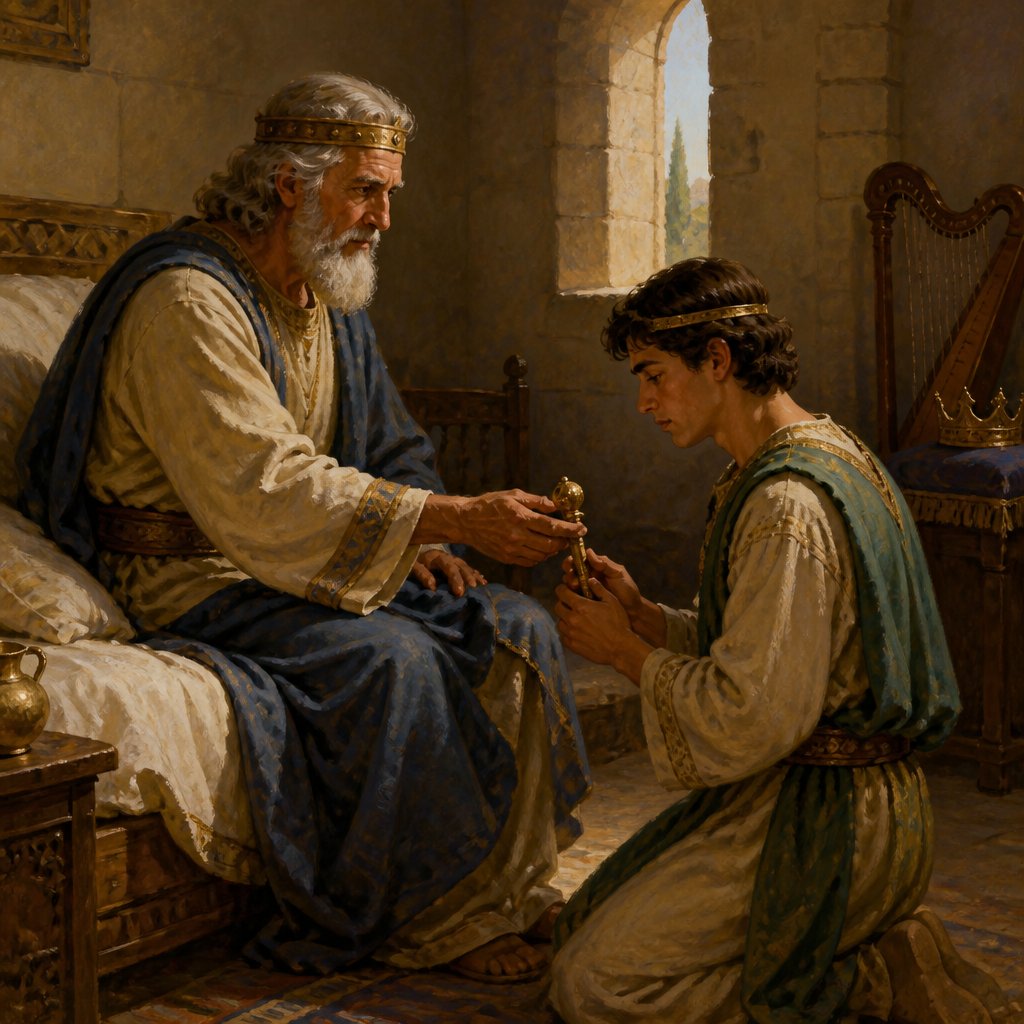
1 Kings 2:2-4 (KJV) reads: "I go the way of all the earth: be thou strong therefore, and shew thyself a man; And keep the charge of the Lord thy God, to walk in his ways, to keep his statutes, and his commandments, and his judgments, and his testimonies, as it is written in the law of Moses, that thou mayest prosper in all that thou doest, and whithersoever thou turnest thyself: That the Lord may continue his word which he spake concerning me, saying, If thy children take heed to their way, to walk before me in truth with all their heart and with all their soul, there shall not fail thee (said he) a man on the throne of Israel."
In these verses, King David is giving his final charge to his son, Solomon, who is now to succeed him as the ruler of Israel. David's words are filled with wisdom and guidance for Solomon as he takes on the immense responsibility of leading the nation. This passage is not only a father's advice to his son, but also represents the passing of authority from one ruler to the next, and the importance of maintaining a righteous and just leadership for the people of Israel.
The first part of the verse, "I go the way of all the earth: be thou strong therefore, and shew thyself a man," is a reminder to Solomon that he must be strong and courageous in his new role as a leader. This is not just a physical strength, but a strength of character and moral conviction. David is urging Solomon to rise to the occasion and fulfill the duties of a king with integrity and fortitude.
The next part of the verse, "And keep the charge of the Lord thy God, to walk in his ways, to keep his statutes, and his commandments, and his judgments, and his testimonies, as it is written in the law of Moses," emphasizes the importance of following God's laws and instructions. Solomon is being reminded to stay faithful to God and to govern according to His will. This reflects the central theme of obedience and reverence to God's word, which is a recurring theme throughout the Bible.
The verse continues, "that thou mayest prosper in all that thou doest, and whithersoever thou turnest thyself." Here, David is telling Solomon that if he remains obedient to God and follows His commandments, he will prosper in all his endeavors. This is a promise of success and blessings for the king and the nation if they remain obedient to God.
The final part of the verse, "That the Lord may continue his word which he spake concerning me, saying, If thy children take heed to their way, to walk before me in truth with all their heart and with all their soul, there shall not fail thee (said he) a man on the throne of Israel," is a reminder of the covenant that God made with David. This is a foreshadowing of the promise of an enduring kingdom, which ultimately finds its fulfillment in the line of David leading to Jesus Christ, the eternal King.
The themes of obedience, leadership, and God's faithfulness are clearly present in this passage. David's words to Solomon serve as a timeless lesson for all leaders, emphasizing the importance of integrity, faithfulness to God, and the blessings that come from obedience.
In terms of context, this passage comes at a pivotal moment in Israel's history. David, the great king of Israel, is passing on the mantle of leadership to his son, Solomon. As such, his words carry great weight and significance. The legacy of the kingdom is now in the hands of the next generation, and David's charge to Solomon sets the stage for the future of the nation.
Symbolism in this passage is represented by the passing of the torch from one leader to the next, the continuity of the covenant between God and His people, and the promise of prosperity and blessings for those who remain faithful to God's commandments. The image of a strong and righteous leader, guided by God's laws, is central to the symbolism in this passage.
In conclusion, 1 Kings 2:2-4 is a powerful and poignant counsel from King David to his son, Solomon, as he assumes the throne of Israel. The verses convey important lessons on leadership, obedience, and the enduring faithfulness of God. The passage serves as a timeless reminder for all leaders to govern with integrity, reverence for God, and a commitment to His commandments.
Have questions about 1 Kings 2:2-4?
Dive deeper into this scripture with Bible Chat — an AI-powered tool for exploring God's Word through conversation. Ask questions, get context, and grow in your understanding of the Bible.
Get Our Apps


1 Kings 2:2-4 Artwork

1 Kings 2:2-4 - "I am about to go the way of all the earth,” he said. “So be strong, act like a man, and observe what the Lord your God requires: Walk in obedience to him, and keep his decrees and commands, his laws and regulations, as written in the Law of Moses. Do this so that you may prosper in all you do and wherever you go and that the Lord may keep his promise to me: ‘If your descendants watch how they live, and if they walk faithfully before me with all their heart and soul, you will never fail to have a successor on the throne of Israel.’"
"I am about to go the way of all the earth,” he said. “So be strong, act like a man, and observe what the Lord your God requires: Walk in obedience to him, and keep his decrees and commands, his laws and regulations, as written in the Law of Moses. Do this so that you may prosper in all you do and wherever you go and that the Lord may keep his promise to me: ‘If your descendants watch how they live, and if they walk faithfully before me with all their heart and soul, you will never fail to have a successor on the throne of Israel.’" - 1 Kings 2:2-4

1 Kings 2:2 - "I go the way of all the earth: be thou strong therefore, and shew thyself a man;"

1 Kings 4:2 - "And these were the princes which he had; Azariah the son of Zadok the priest,"

2 Kings 4:4-5

James 2:2-4

2 Kings 19:2

2 Kings 19:2

2 Kings 19:2
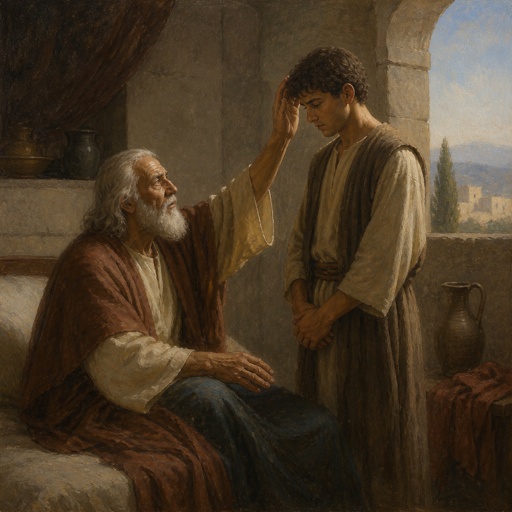
"I go the way of all the earth: be thou strong therefore, and shew thyself a man;" - 1 Kings 2:2

2 Kings 1:4 - "Now therefore thus saith the LORD, Thou shalt not come down from that bed on which thou art gone up, but shalt surely die. And Elijah departed."

2 Kings 10:4 - "But they were exceedingly afraid, and said, Behold, two kings stood not before him: how then shall we stand?"
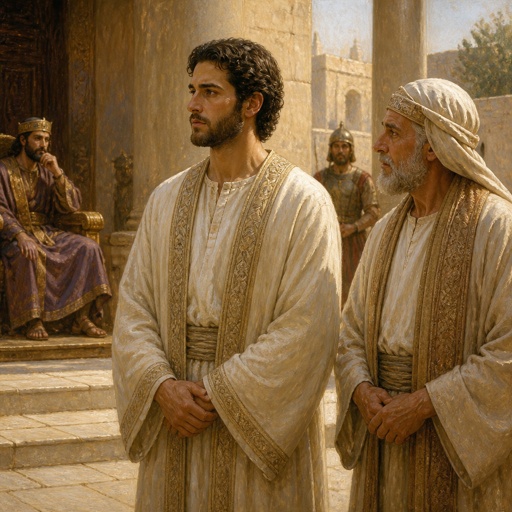
"And these were the princes which he had; Azariah the son of Zadok the priest," - 1 Kings 4:2

2 Kings 4:11 - "And it fell on a day, that he came thither, and he turned into the chamber, and lay there."

2 Kings 6:4 - "So he went with them. And when they came to Jordan, they cut down wood."

2 Kings 9:4 - "¶ So the young man, even the young man the prophet, went to Ramoth-gilead."

1 Timothy 2:2 - "For kings, and for all that are in authority; that we may lead a quiet and peaceable life in all godliness and honesty."

2 Kings 1:1 - "Then Moab rebelled against Israel after the death of Ahab."

1 Kings 5:2 - "And Solomon sent to Hiram, saying,"

2 Kings 16:4 - "And he sacrificed and burnt incense in the high places, and on the hills, and under every green tree."

2 Kings 4:33 - "He went in therefore, and shut the door upon them twain, and prayed unto the LORD."

James 1:2-4

Romans 2:4

2 Kings 4:32 - "And when Elisha was come into the house, behold, the child was dead, and laid upon his bed."

2 Kings 4:18 - "¶ And when the child was grown, it fell on a day, that he went out to his father to the reapers."

James 1: 2-4

Mark 2:4

2 Kings 4:44 - "So he set it before them, and they did eat, and left thereof, according to the word of the LORD."

2 Kings 5:4 - "And one went in, and told his lord, saying, Thus and thus said the maid that is of the land of Israel."

2 Kings 1:18 - "Now the rest of the acts of Ahaziah which he did, are they not written in the book of the chronicles of the kings of Israel?"