What does 1 Kings 22:49 mean?
"Then said Ahaziah the son of Ahab unto Jehoshaphat, Let my servants go with thy servants in the ships. But Jehoshaphat would not." - 1 Kings 22:49
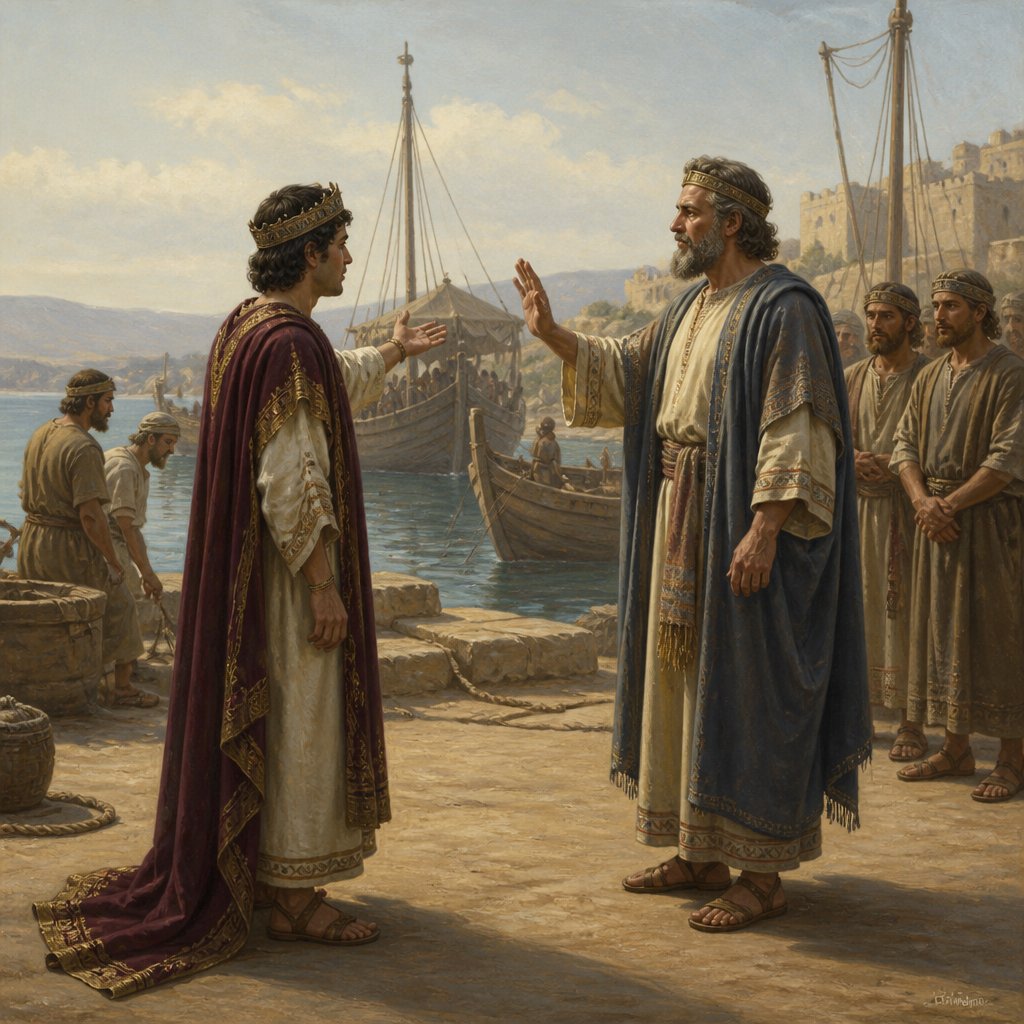
1 Kings 22:49 (KJV) - "Then said Ahaziah the son of Ahab unto Jehoshaphat, Let my servants go with thy servants in the ships. But Jehoshaphat would not."
The book of 1 Kings chronicles the reigns of the kings of Israel and Judah, and this particular verse sheds light on the complex relationships between these two kingdoms and their rulers. In this verse, Ahaziah, the son of Ahab, king of Israel, approaches Jehoshaphat, king of Judah, requesting that his servants be allowed to go with Jehoshaphat's servants in the ships. However, Jehoshaphat declines Ahaziah's request.
Context is crucial when examining this verse. At the time this incident occurred, Ahab, the father of Ahaziah, was one of the most notorious kings of Israel. He was known for his wickedness and alliance with foreign gods, particularly through his marriage to Jezebel, a Phoenician princess who promoted the worship of Baal. Ahab's reign was marked by conflicts with neighboring kingdoms, including Judah. After Ahab's death, his son Ahaziah took the throne and continued his father's sinful ways.
On the other hand, Jehoshaphat, who ruled over Judah, was generally a righteous king. He sought to follow the ways of the Lord, and he worked to abolish idol worship in his kingdom. Despite being from a different lineage, Jehoshaphat maintained a close relationship with the kings of Israel, including Ahab and later his son Ahaziah. However, in this instance, Jehoshaphat wisely refrained from aligning himself with Ahaziah's request.
This verse reflects a pivotal moment in the relationship between Judah and Israel, as well as the spiritual and moral character of their respective rulers. Ahaziah's request to join forces with Jehoshaphat signifies the political and military alliances that were crucial in the ancient Near East. By requesting to join forces on the ships, Ahaziah sought to solidify a partnership with Judah. The ships were a symbol of power, trade, and military strength, and Ahaziah hoped to benefit from Jehoshaphat's resources.
However, Jehoshaphat's refusal to grant Ahaziah's request is significant. It demonstrates the wisdom and discernment of Jehoshaphat, who recognized the danger of aligning himself with a ruler who followed the ways of his wicked father. Jehoshaphat's decision was rooted in his commitment to remain faithful to the Lord and avoid entanglements with ungodly alliances. This decision reflected the theme of righteousness and faithfulness to God, which was a recurring motif in Jehoshaphat's reign.
The symbolic significance of this verse can also be understood in the broader narrative of the Bible. Ahaziah's request for partnership with Jehoshaphat echoes the frequent temptation for God's people to form alliances with those who do not share their faith and values. Throughout the Old Testament, Israel and Judah were often lured into alliances with pagan nations, leading to spiritual compromise and judgment from God. Conversely, Jehoshaphat's refusal to align with Ahaziah serves as a reminder of the importance of remaining faithful to God and His principles, even in the face of political pressure and worldly temptations.
In conclusion, 1 Kings 22:49 offers valuable insights into the dynamics of political alliances, the character of the rulers of Israel and Judah, and the importance of faithfulness to God's principles. Jehoshaphat's refusal to join forces with Ahaziah reflects his commitment to righteousness and faith in God, setting an example for believers to prioritize their allegiance to God above worldly alliances. This verse serves as a timeless exhortation to remain steadfast in faith and to resist the allure of ungodly partnerships.
Have questions about 1 Kings 22:49?
Dive deeper into this scripture with Bible Chat — an AI-powered tool for exploring God's Word through conversation. Ask questions, get context, and grow in your understanding of the Bible.
Get Our Apps


1 Kings 22:49 Artwork

1 Kings 22:49 - "Then said Ahaziah the son of Ahab unto Jehoshaphat, Let my servants go with thy servants in the ships. But Jehoshaphat would not."
"Then said Ahaziah the son of Ahab unto Jehoshaphat, Let my servants go with thy servants in the ships. But Jehoshaphat would not." - 1 Kings 22:49

1 Kings 1:49 - "And all the guests that were with Adonijah were afraid, and rose up, and went every man his way."

1 Kings 8:49 - "Then hear thou their prayer and their supplication in heaven thy dwelling place, and maintain their cause,"

1 Kings 7:49 - "And the candlesticks of pure gold, five on the right side, and five on the left, before the oracle, with the flowers, and the lamps, and the tongs of gold,"

1 kings 22:19

1 Kings 8:22

1 Kings 22:47 - "There was then no king in Edom: a deputy was king."

1 Kings 22:44 - "And Jehoshaphat made peace with the king of Israel."

1 Kings 22:1 - "And they continued three years without war between Syria and Israel."

1 Kings 1:22 - "¶ And, lo, while she yet talked with the king, Nathan the prophet also came in."
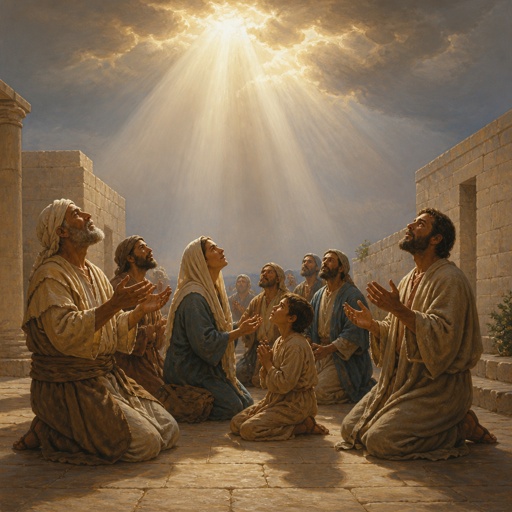
"Then hear thou their prayer and their supplication in heaven thy dwelling place, and maintain their cause," - 1 Kings 8:49
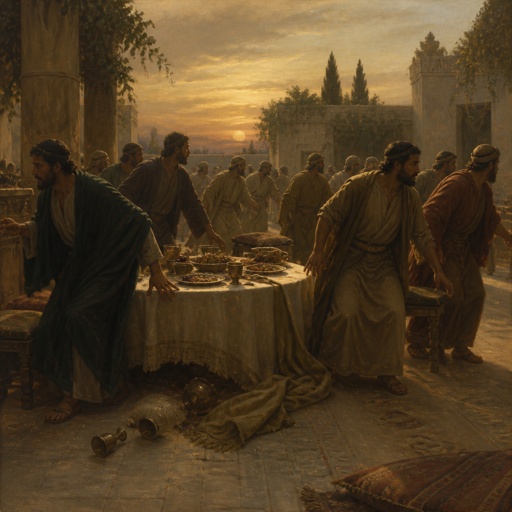
"And all the guests that were with Adonijah were afraid, and rose up, and went every man his way." - 1 Kings 1:49

1 Kings 22:37 - "¶ So the king died, and was brought to Samaria; and they buried the king in Samaria."

Genesis 49:22 - "¶ Joseph is a fruitful bough, even a fruitful bough by a well; whose branches run over the wall:"

1 Kings 22:29 - "So the king of Israel and Jehoshaphat the king of Judah went up to Ramoth-gilead."

1 Kings 22:45 - "Now the rest of the acts of Jehoshaphat, and his might that he shewed, and how he warred, are they not written in the book of the chronicles of the kings of Judah?"

1 Kings 12:22 - "But the word of God came unto Shemaiah the man of God, saying,"

"There was then no king in Edom: a deputy was king." - 1 Kings 22:47

1 Kings 22:9 - "Then the king of Israel called an officer, and said, Hasten hither Micaiah the son of Imlah."

1 Kings 22:2 - "And it came to pass in the third year, that Jehoshaphat the king of Judah came down to the king of Israel."

1 Kings 7:22 - "And upon the top of the pillars was lily work: so was the work of the pillars finished."
Psalm 49

1 Kings 22:39 - "Now the rest of the acts of Ahab, and all that he did, and the ivory house which he made, and all the cities that he built, are they not written in the book of the chronicles of the kings of Israel?"

1 Kings 22:21 - "And there came forth a spirit, and stood before the LORD, and said, I will persuade him."

1 Kings 22:7 - "And Jehoshaphat said, Is there not here a prophet of the LORD besides, that we might enquire of him?"

1 Kings 22:41 - "¶ And Jehoshaphat the son of Asa began to reign over Judah in the fourth year of Ahab king of Israel."

1 Kings 22:5 - "And Jehoshaphat said unto the king of Israel, Enquire, I pray thee, at the word of the LORD to day."

"And Jehoshaphat made peace with the king of Israel." - 1 Kings 22:44

Genesis 49:9