What does 1 Kings 22:14 mean?
"And Micaiah said, As the LORD liveth, what the LORD saith unto me, that will I speak." - 1 Kings 22:14
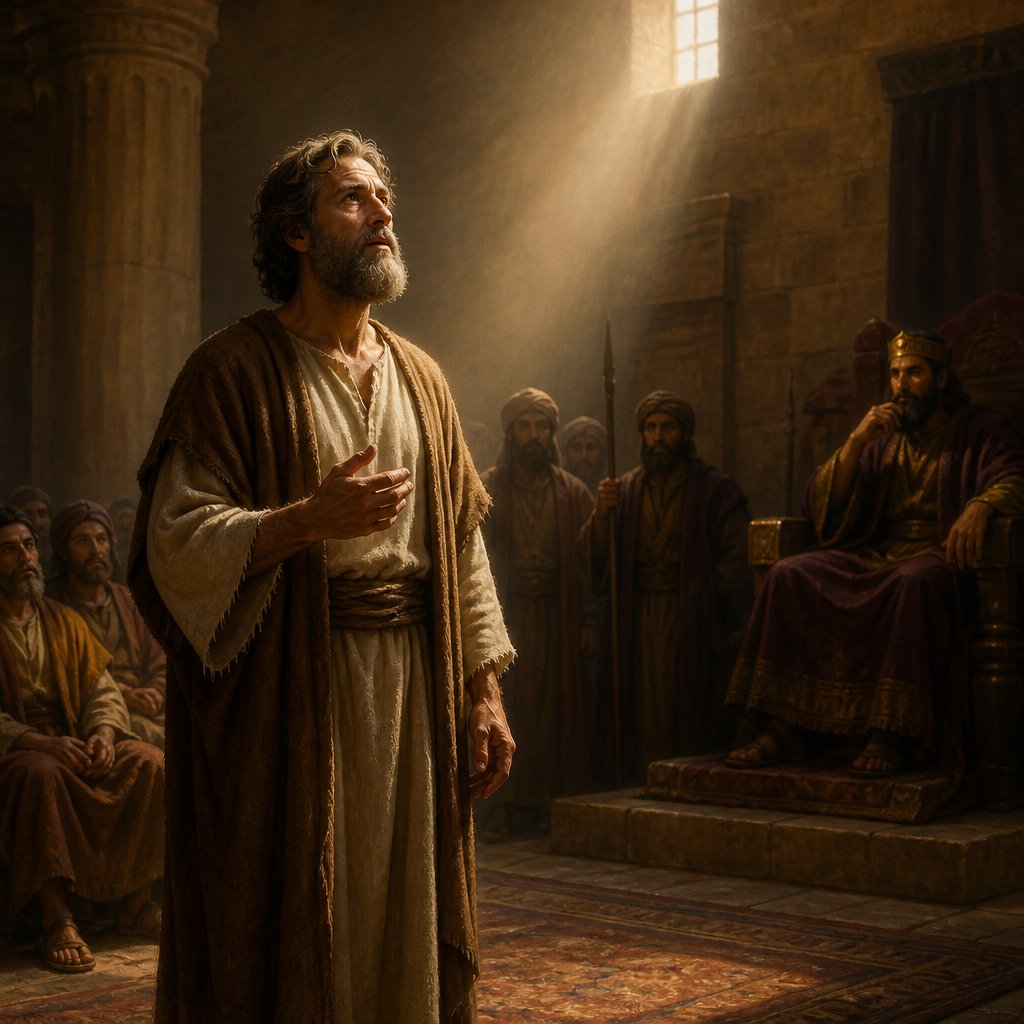
The Bible verse 1 Kings 22:14 in the King James Version (KJV) reads: "And Micaiah said, As the Lord liveth, what the Lord saith unto me, that will I speak." This verse is part of the account of the reign of King Ahab of Israel, during which he sought guidance from the prophet Micaiah before going to battle against the Syrians. The verse is from Micaiah's response to King Ahab's request for a prophecy regarding the outcome of the battle.
The book of 1 Kings is a historical narrative that follows the reigns of various kings of Israel and Judah. It is divided into two parts: 1 Kings 1-11 narrates the reign of Solomon and the division of the kingdom after his death, while 1 Kings 12-22 details the political and religious developments in the divided kingdoms of Israel and Judah. The overall theme of the book is the faithfulness and sovereignty of God, who remains actively involved in the affairs of His people, despite their continual rebellion and unfaithfulness.
In the context of 1 Kings 22, King Ahab of Israel seeks to retake the city of Ramoth-gilead from the Syrians and enlists the help of King Jehoshaphat of Judah. Before going to battle, Ahab consults his prophets, who unanimously prophesy success. However, Jehoshaphat insists on inquiring of a prophet of the Lord. Ahab mentions a prophet named Micaiah, but admits that he dislikes Micaiah because his prophecies are always unfavorable.
When Micaiah is brought before the kings, he sarcastically echoes the words of Ahab's prophets, and then delivers the true prophecy he has received from the Lord. Despite the pressure to speak favorably, Micaiah openly declares that he will only speak what the Lord has revealed to him. This stance displays his commitment to the truth, even in the face of potential consequences.
This verse reveals several important themes. One of the primary themes is the importance of seeking and speaking the truth. Micaiah's refusal to give a false prophecy demonstrates the value of integrity and honesty, even when it may be easier to go along with the crowd. This aligns with the broader biblical emphasis on truthfulness and the rejection of falsehood.
Additionally, the verse emphasizes the authority of God's word. Micaiah expresses his unwavering commitment to speak only what the Lord has revealed to him, recognizing the ultimate authority of God's message over human opinions and desires. This highlights the biblical principle that God's word is unchanging and reliable, serving as a source of guidance and truth.
Symbolically, Micaiah's declaration also represents the role of prophets and messengers of God. Throughout the Bible, prophets are called to faithfully communicate God's word to His people, often in the face of opposition and hostility. Micaiah's bold statement reflects the prophetic tradition of speaking truth to power, even when it may be unpopular or unwelcome.
Furthermore, Micaiah's response can also be seen as a model for believers in their commitment to God's truth. It serves as a reminder to remain faithful to the Lord's teachings and not to compromise with falsehood or deception. This aligns with the New Testament exhortations for Christians to speak the truth in love and to stand firm in the face of opposition.
Overall, 1 Kings 22:14 in the King James Version encapsulates themes of truth, integrity, and the authority of God's word, set within the historical context of the struggles and conflicts of ancient Israel. It serves as a powerful and timeless reminder of the importance of speaking and upholding the truth that is rooted in God's revelation.
Have questions about 1 Kings 22:14?
Dive deeper into this scripture with Bible Chat — an AI-powered tool for exploring God's Word through conversation. Ask questions, get context, and grow in your understanding of the Bible.
Get Our Apps


1 Kings 22:14 Artwork

1 Kings 22:14 - "And Micaiah said, As the LORD liveth, what the LORD saith unto me, that will I speak."
"And Micaiah said, As the LORD liveth, what the LORD saith unto me, that will I speak." - 1 Kings 22:14

1 Kings 14:22 - "And Judah did evil in the sight of the LORD, and they provoked him to jealousy with their sins which they had committed, above all that their fathers had done."

2 Kings 14:22 - "He built Elath, and restored it to Judah, after that the king slept with his fathers."

1 kings 22:19

1 Kings 8:22

1 Kings 22:47 - "There was then no king in Edom: a deputy was king."

1 Kings 14:26
1 Kings 14:26

1 Kings 14:1-20

1 Kings 22:44 - "And Jehoshaphat made peace with the king of Israel."

Genesis 22:1-14

Matthew 14:22-33

1 Kings 22:1 - "And they continued three years without war between Syria and Israel."

1 Kings 1:22 - "¶ And, lo, while she yet talked with the king, Nathan the prophet also came in."

1 Kings 12:14

1 Kings 12:14

1 Kings 14:1 - "At that time Abijah the son of Jeroboam fell sick."

1 Kings 22:37 - "¶ So the king died, and was brought to Samaria; and they buried the king in Samaria."

1 Kings 9:14 - "And Hiram sent to the king sixscore talents of gold."

1 Kings 14:29 - "¶ Now the rest of the acts of Rehoboam, and all that he did, are they not written in the book of the chronicles of the kings of Judah?"

1 Kings 16:14 - "Now the rest of the acts of Elah, and all that he did, are they not written in the book of the chronicles of the kings of Israel?"

1 Kings 22:29 - "So the king of Israel and Jehoshaphat the king of Judah went up to Ramoth-gilead."

1 Kings 22:45 - "Now the rest of the acts of Jehoshaphat, and his might that he shewed, and how he warred, are they not written in the book of the chronicles of the kings of Judah?"

1 Kings 6:14 - "So Solomon built the house, and finished it."

1 Kings 4:14 - "Ahinadab the son of Iddo had Mahanaim:"

1 Kings 12:22 - "But the word of God came unto Shemaiah the man of God, saying,"

"There was then no king in Edom: a deputy was king." - 1 Kings 22:47

1 Kings 22:9 - "Then the king of Israel called an officer, and said, Hasten hither Micaiah the son of Imlah."

1 Kings 22:2 - "And it came to pass in the third year, that Jehoshaphat the king of Judah came down to the king of Israel."