What does 1 Kings 1:39 mean?
"And Zadok the priest took an horn of oil out of the tabernacle, and anointed Solomon. And they blew the trumpet; and all the people said, God save king Solomon." - 1 Kings 1:39
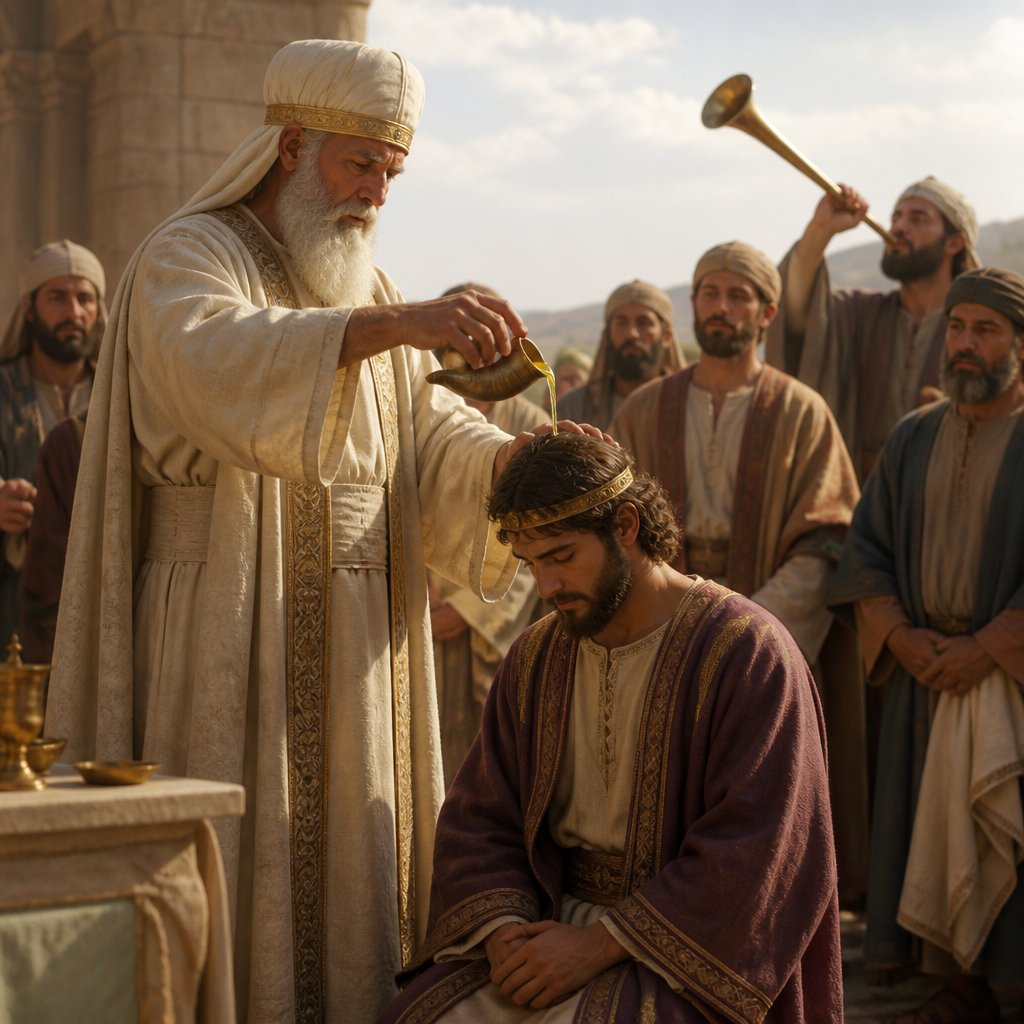
1 Kings 1:39 in the King James Version of the Bible reads, "And Zadok the priest took an horn of oil out of the tabernacle, and anointed Solomon. And they blew the trumpet; and all the people said, God save king Solomon."
This verse is a pivotal moment in the biblical narrative as it marks the anointing of Solomon as the king of Israel. The significance of this event lies not only in its historical context but also in its spiritual symbolism and foreshadowing of Christ's kingship.
In the context of the biblical narrative, King David was reaching the end of his life and was unable to maintain his leadership of the kingdom. As a result, his son Adonijah sought to establish himself as the new king without David's blessing. However, Nathan the prophet and Zadok the priest recognized Solomon as the rightful successor to the throne. Thus, Zadok anointed Solomon with oil, signifying his divine appointment as king. This anointing was a public declaration of Solomon's authority and legitimacy as the ruler of Israel.
The anointing of Solomon holds several important themes and symbolisms. Firstly, it represents the transfer of power and authority from one king to another. In biblical times, the act of anointing with oil had deep significance as it symbolized the endowment of the Holy Spirit and God's favor upon the chosen individual. In this case, the anointing of Solomon served as a clear indication that he was God's chosen king to lead the people of Israel.
Furthermore, this event foreshadows the establishment of the Davidic dynasty, which held great significance in the biblical narrative. The Davidic covenant, established by God with King David, promised an everlasting kingship to his descendants. The anointing of Solomon as the successor to David fulfilled this covenant and set the stage for the continuation of the royal line that would eventually lead to the birth of Jesus Christ, who is often referred to as the "Son of David" in the New Testament.
The anointing of Solomon also serves as a spiritual allegory for the anointing of Jesus Christ as the ultimate King and Messiah. In the New Testament, Jesus is described as the "Anointed One" or the "Christ," which in Greek means "the Anointed One." This title harkens back to the ancient practice of anointing kings and shows that Jesus is the ultimate fulfillment of the Davidic covenant. By anointing Solomon as the king of Israel, God was foreshadowing the anointing of Jesus Christ as the King of kings and Lord of lords.
The imagery of the blowing of the trumpet and the proclamation of "God save king Solomon" also holds symbolic significance. The blowing of the trumpet was a customary practice in biblical times to announce the crowning of a new king, and it signified the beginning of a new era and the rallying of the people under their new leader. Similarly, Jesus' triumphant entry into Jerusalem, heralded by the blowing of trumpets and the acclamation of the people, echoes this tradition and foreshadows his ultimate reign as the victorious and eternal King.
In summary, 1 Kings 1:39 holds profound significance within the biblical narrative. It marks the anointing of Solomon as the king of Israel, symbolizing the transfer of power, the fulfillment of the Davidic covenant, and the foreshadowing of Jesus Christ as the ultimate King and Messiah. This verse serves as a powerful reminder of God's faithfulness in fulfilling His promises and His sovereign plan for the redemption of humanity through the line of David. It is a testament to the divine appointment of leaders and the establishment of God's kingdom on earth.
Have questions about 1 Kings 1:39?
Dive deeper into this scripture with Bible Chat — an AI-powered tool for exploring God's Word through conversation. Ask questions, get context, and grow in your understanding of the Bible.
Get Our Apps


1 Kings 1:39 Artwork

1 Kings 1:39 - "And Zadok the priest took an horn of oil out of the tabernacle, and anointed Solomon. And they blew the trumpet; and all the people said, God save king Solomon."
"And Zadok the priest took an horn of oil out of the tabernacle, and anointed Solomon. And they blew the trumpet; and all the people said, God save king Solomon." - 1 Kings 1:39

1 Kings 11:39 - "And I will for this afflict the seed of David, but not for ever."

1 Kings 22:39 - "Now the rest of the acts of Ahab, and all that he did, and the ivory house which he made, and all the cities that he built, are they not written in the book of the chronicles of the kings of Israel?"

"And I will for this afflict the seed of David, but not for ever." - 1 Kings 11:39

1 Kings 18:39 - "And when all the people saw it, they fell on their faces: and they said, The LORD, he is the God; the LORD, he is the God."

1 Kings 7:39 - "And he put five bases on the right side of the house, and five on the left side of the house: and he set the sea on the right side of the house eastward over against the south."
1 Kings 2:39 - "And it came to pass at the end of three years, that two of the servants of Shimei ran away unto Achish son of Maachah king of Gath. And they told Shimei, saying, Behold, thy servants be in Gath."

1 Corinthians 14:39-40

1 Chronicles 1:39 - "And the sons of Lotan; Hori, and Homam: and Timna was Lotan's sister."

Luke 1:39

Luke 5:39

1 Kings 8:39 - "Then hear thou in heaven thy dwelling place, and forgive, and do, and give to every man according to his ways, whose heart thou knowest; (for thou, even thou only, knowest the hearts of all the children of men;)"

Luke 1:39 - 45

1 Kings 3:9
"And when all the people saw it, they fell on their faces: and they said, The LORD, he is the God; the LORD, he is the God." - 1 Kings 18:39

1 Chronicles 7:39 - "And the sons of Ulla; Arah, and Haniel, and Rezia."

Scene from book of numbers 14:39-45

1 Chronicles 2:39 - "And Azariah begat Helez, and Helez begat Eleasah,"

1 Corinthians 14:39 - "Wherefore, brethren, covet to prophesy, and forbid not to speak with tongues."
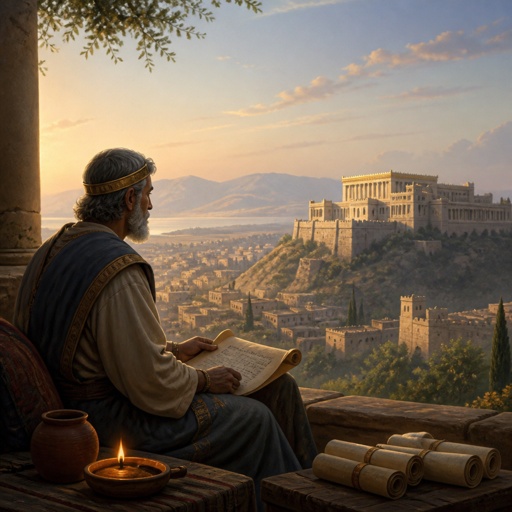
"Now the rest of the acts of Ahab, and all that he did, and the ivory house which he made, and all the cities that he built, are they not written in the book of the chronicles of the kings of Israel?" - 1 Kings 22:39

1 Chronicles 11:39 - "Zelek the Ammonite, Naharai the Berothite, the armourbearer of Joab the son of Zeruiah,"

Mark 1:39 - "And he preached in their synagogues throughout all Galilee, and cast out devils."
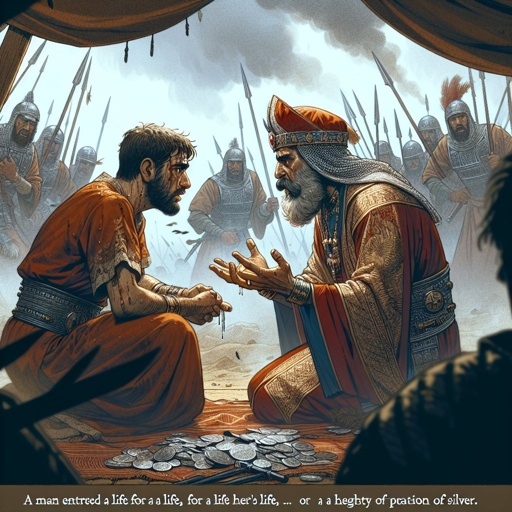
1 Kings 20:39 - "And as the king passed by, he cried unto the king: and he said, Thy servant went out into the midst of the battle; and, behold, a man turned aside, and brought a man unto me, and said, Keep this man: if by any means he be missing, then shall thy life be for his life, or else thou shalt pay a talent of silver."

"And the sons of Lotan; Hori, and Homam: and Timna was Lotan's sister." - 1 Chronicles 1:39

Luke 1:39 - "And Mary arose in those days, and went into the hill country with haste, into a city of Juda;"

1 Samuel 20:39 - "But the lad knew not any thing: only Jonathan and David knew the matter."

1 Chronicles 12:39 - "And there they were with David three days, eating and drinking: for their brethren had prepared for them."

1 Kings 10:1

1 Chronicles 16:39 - "And Zadok the priest, and his brethren the priests, before the tabernacle of the LORD in the high place that was at Gibeon,"