What does 1 Kings 15:7 mean?
"Now the rest of the acts of Abijam, and all that he did, are they not written in the book of the chronicles of the kings of Judah? And there was war between Abijam and Jeroboam." - 1 Kings 15:7
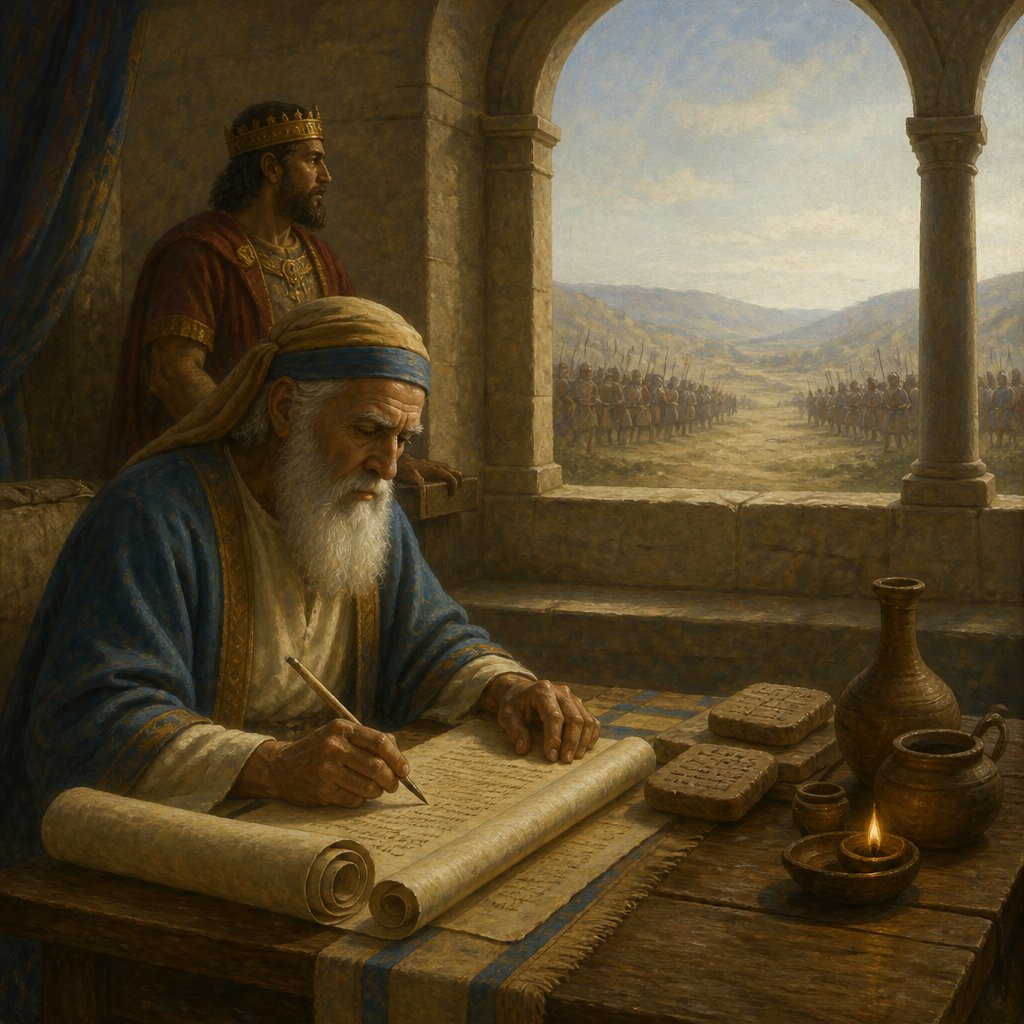
1 Kings 15:7 in the King James Version reads, "Now the rest of the acts of Abijam, and all that he did, are they not written in the book of the chronicles of the kings of Judah? And there was war between Abijam and Jeroboam."
This verse is a part of the historical account of the kings of Judah, specifically concerning Abijam, who reigned as king for three years in Jerusalem. The verse serves as a summary and a reference point for the reader to consult the chronicles of the kings of Judah for a more detailed account of Abijam's reign and the war between him and Jeroboam, the king of the northern kingdom of Israel.
It is important to understand the context in which this verse is situated. In the book of 1 Kings, the author provides a detailed account of the rulers of the divided kingdom of Israel and Judah, including their successes and failures, and their relationships with God. Abijam was the son of Rehoboam, who was the son of King Solomon. He ascended to the throne of Judah after his father's death and continued the line of kings from the house of David. However, like many of the kings of Judah, Abijam’s reign was marked by conflict and war.
The theme of war is prominent in this verse and throughout the historical accounts in 1 Kings. The ongoing conflict between Judah and Israel reflects the divisions that had occurred among the people of God after the reign of King Solomon. This division was a result of the sins of Solomon, which led to the division of the kingdom into the northern kingdom of Israel and the southern kingdom of Judah. The warfare between these two kingdoms serves as a powerful reminder of the consequences of disobedience and the division that results from turning away from God.
The mention of the "book of the chronicles of the kings of Judah" in this verse also highlights the importance of recording and preserving history. The Chronicler played a crucial role in documenting the deeds of the kings of Judah, ensuring that their actions and decisions were remembered and studied. The Chronicler's work served as a historical record and a means of passing down the lessons and experiences of past rulers to future generations.
Symbolically, the mention of the chronicles of the kings of Judah can be seen as a reminder of the importance of remembering and learning from history. The deeds of Abijam and his contemporaries were recorded and preserved for a reason, and their stories can provide valuable insights and lessons for those who seek to understand the ways of God and the consequences of human actions.
Overall, 1 Kings 15:7 is a brief but significant verse in the historical narrative of the kings of Judah. It serves as a reference point for the reader to consult the detailed chronicles and as a reminder of the ongoing conflict between the kingdoms of Israel and Judah. It also emphasizes the importance of recording and preserving history for future generations. Ultimately, this verse contributes to the larger themes of obedience and disobedience, the consequences of sin, and the significance of remembering and learning from the past.
Have questions about 1 Kings 15:7?
Dive deeper into this scripture with Bible Chat — an AI-powered tool for exploring God's Word through conversation. Ask questions, get context, and grow in your understanding of the Bible.
Get Our Apps


1 Kings 15:7 Artwork

1 Kings 15:7 - "Now the rest of the acts of Abijam, and all that he did, are they not written in the book of the chronicles of the kings of Judah? And there was war between Abijam and Jeroboam."

"Now the rest of the acts of Abijam, and all that he did, are they not written in the book of the chronicles of the kings of Judah? And there was war between Abijam and Jeroboam." - 1 Kings 15:7

1 Kings 7:15 - "For he cast two pillars of brass, of eighteen cubits high apiece: and a line of twelve cubits did compass either of them about."

1 kings 3:15

1 kings 3:15

1 Kings 7:27-38

1 kings 8:7

1 Kings 15:31 - "¶ Now the rest of the acts of Nadab, and all that he did, are they not written in the book of the chronicles of the kings of Israel?"

1 Kings 10:15 - "Beside that he had of the merchantmen, and of the traffick of the spice merchants, and of all the kings of Arabia, and of the governors of the country."

1 kings 8:7

1 Kings 8:7

1 Kings 15:1 - "Now in the eighteenth year of king Jeroboam the son of Nebat reigned Abijam over Judah."

Luke 15: 4-7

1 Timothy 6:15-16 – "God, the blessed and only Ruler, the King of kings and Lord of lords."

1 Kings 15:32 - "And there was war between Asa and Baasha king of Israel all their days."

1 Kings 15:16 - "¶ And there was war between Asa and Baasha king of Israel all their days."

1 Kings 11:1-5

1 Timothy 6:15-16 – "God, the blessed and only Ruler, the King of kings and Lord of lords."

1 Timothy 6:15-16 – "God, the blessed and only Ruler, the King of kings and Lord of lords."

1 Timothy 6:15-16 – "God, the blessed and only Ruler, the King of kings and Lord of lords."

1 Kings 7:27-38

1 Kings 1:15 - "¶ And Bath-sheba went in unto the king into the chamber: and the king was very old; and Abishag the Shunammite ministered unto the king."

1 Kings 15:9 - "¶ And in the twentieth year of Jeroboam king of Israel reigned Asa over Judah."

1 Timothy 6:15-16 – "God, the blessed and only Ruler, the King of kings and Lord of lords."

1 Kings 7:43 - "And the ten bases, and ten lavers on the bases;"

2 Kings 15:7 - "So Azariah slept with his fathers; and they buried him with his fathers in the city of David: and Jotham his son reigned in his stead."

1 Kings 7:13 - "¶ And king Solomon sent and fetched Hiram out of Tyre."

1 Kings 15:6 - "And there was war between Rehoboam and Jeroboam all the days of his life."

1 Kings 7:44 - "And one sea, and twelve oxen under the sea;"

1 Kings 13:15 - "Then he said unto him, Come home with me, and eat bread."