What does 1 Kings 14:7 mean?
"Go, tell Jeroboam, Thus saith the LORD God of Israel, Forasmuch as I exalted thee from among the people, and made thee prince over my people Israel," - 1 Kings 14:7

The verse 1 Kings 14:7 in the King James Version of the Bible reads, "Go, tell Jeroboam, Thus saith the Lord God of Israel, Forasmuch as I exalted thee from among the people, and made thee prince over my people Israel."
This verse is part of a larger passage in the book of 1 Kings that details the reign of King Jeroboam over the divided kingdom of Israel. Jeroboam's rule was marked by disobedience to God and a turning away from His commandments. In this particular verse, God is sending a message to Jeroboam through a prophet, informing him of God's role in his rise to power.
The verse carries several important themes, including the sovereignty of God, the consequences of disobedience, and the responsibilities of leadership.
The first theme present in this verse is the sovereignty of God. The verse begins with the phrase, "Thus saith the Lord God of Israel," indicating that the message being delivered to Jeroboam is from God Himself. This phrase serves as a reminder that God is the ultimate authority and ruler over all things, including the affairs of human leaders. This theme is reiterated throughout the Bible and serves as a foundational belief in the Judeo-Christian faith.
Additionally, the verse emphasizes the role of God in Jeroboam's rise to power. God reminds Jeroboam that it was He who exalted him from among the people and made him prince over Israel. This serves as a reminder that God is the one who raises up leaders and bestows authority upon them. It also underscores the idea that leaders are accountable to God for their actions and the way they exercise their authority.
Another theme present in this verse is the consequences of disobedience. The message being delivered to Jeroboam is a warning from God about the impending judgment that will come as a result of his disobedience. Throughout the book of 1 Kings, Jeroboam is consistently portrayed as a king who leads the people of Israel astray, causing them to sin against God. This verse serves as a reminder that disobedience to God's commands carries serious consequences, particularly for those in positions of leadership and authority.
The verse also underscores the responsibilities of leadership. God reminds Jeroboam that he was made prince over His people Israel, emphasizing the weight of the responsibility that comes with leadership. Leaders are called to shepherd and care for those under their charge, and this includes leading them in ways that honor and obey God. Jeroboam failed in this regard, and this verse serves as a reminder to leaders about the importance of leading in a manner that is pleasing to God.
In terms of context, this verse occurs during a pivotal period in the history of Israel. Following the reign of King Solomon, the kingdom of Israel was divided into two separate entities: the northern kingdom of Israel and the southern kingdom of Judah. Jeroboam was appointed as the first king of the northern kingdom, and his reign was marked by idolatry and a departure from the worship of the true God. This verse is part of a larger prophetic message to Jeroboam, warning him of the consequences of his disobedience and calling him to repentance.
Symbolically, this verse serves as a reflection of God's relationship with His people and the expectations He has for those in positions of authority. It highlights the importance of obedience to God's commands and the accountability that leaders have to Him. It also serves as a reminder of God's sovereignty and His active involvement in the affairs of humanity.
In conclusion, 1 Kings 14:7 in the King James Version of the Bible carries significant and timeless themes relating to the sovereignty of God, the consequences of disobedience, and the responsibilities of leadership. It serves as a powerful reminder of God's expectations for those in positions of authority and the need for obedience to His commands. Through its historical context and symbolic significance, this verse continues to offer important lessons for leaders and followers alike.
Have questions about 1 Kings 14:7?
Dive deeper into this scripture with Bible Chat — an AI-powered tool for exploring God's Word through conversation. Ask questions, get context, and grow in your understanding of the Bible.
Get Our Apps


1 Kings 14:7 Artwork

1 Kings 14:7 - "Go, tell Jeroboam, Thus saith the LORD God of Israel, Forasmuch as I exalted thee from among the people, and made thee prince over my people Israel,"

"Go, tell Jeroboam, Thus saith the LORD God of Israel, Forasmuch as I exalted thee from among the people, and made thee prince over my people Israel," - 1 Kings 14:7

1 Kings 14:1-20

1 Kings 14:26
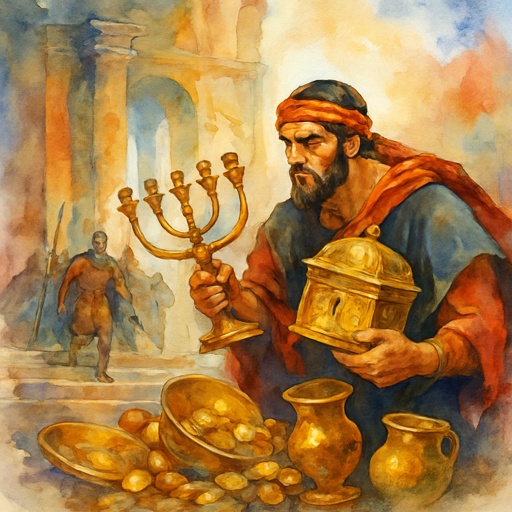
1 Kings 14:26

1 Kings 7:14 - "He was a widow's son of the tribe of Naphtali, and his father was a man of Tyre, a worker in brass: and he was filled with wisdom, and understanding, and cunning to work all works in brass. And he came to king Solomon, and wrought all his work."

1 Kings 12:14

1 Kings 12:14

1 Kings 14:1 - "At that time Abijah the son of Jeroboam fell sick."

2 Kings 7:14 - "They took therefore two chariot horses; and the king sent after the host of the Syrians, saying, Go and see."

1 Kings 7:27-38

1 kings 8:7

1 Kings 9:14 - "And Hiram sent to the king sixscore talents of gold."

1 kings 8:7

1 Kings 8:7

1 Kings 14:29 - "¶ Now the rest of the acts of Rehoboam, and all that he did, are they not written in the book of the chronicles of the kings of Judah?"

1 Kings 16:14 - "Now the rest of the acts of Elah, and all that he did, are they not written in the book of the chronicles of the kings of Israel?"

1 Kings 6:14 - "So Solomon built the house, and finished it."

1 Kings 4:14 - "Ahinadab the son of Iddo had Mahanaim:"

2 Kings 14:7 - "He slew of Edom in the valley of salt ten thousand, and took Selah by war, and called the name of it Joktheel unto this day."

1 Kings 21:14 - "Then they sent to Jezebel, saying, Naboth is stoned, and is dead."

1 Kings 14:30 - "And there was war between Rehoboam and Jeroboam all their days."

1 Samuel 14:7

1 Kings 7:27-38

1 Chronicles 14:7 - "And Elishama, and Beeliada, and Eliphalet."

1 Kings 14:19 - "And the rest of the acts of Jeroboam, how he warred, and how he reigned, behold, they are written in the book of the chronicles of the kings of Israel."

1 Kings 7:43 - "And the ten bases, and ten lavers on the bases;"

1 Kings 7:13 - "¶ And king Solomon sent and fetched Hiram out of Tyre."

1 Kings 1:14 - "Behold, while thou yet talkest there with the king, I also will come in after thee, and confirm thy words."

1 Kings 7:44 - "And one sea, and twelve oxen under the sea;"