What does 1 Kings 14:6 mean?
"And it was so, when Ahijah heard the sound of her feet, as she came in at the door, that he said, Come in, thou wife of Jeroboam; why feignest thou thyself to be another? for I am sent to thee with heavy tidings." - 1 Kings 14:6
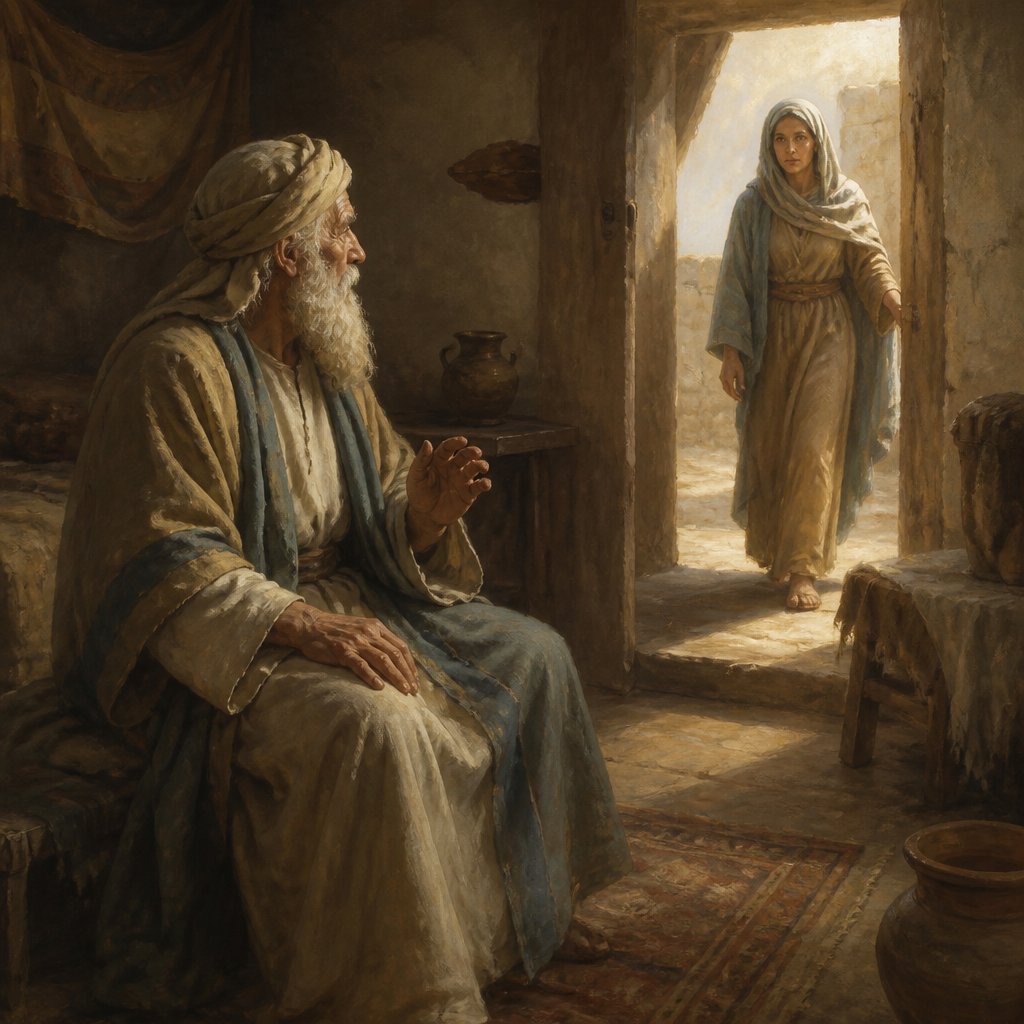
1 Kings 14:6 (KJV) reads, "And it was so, when Ahijah heard the sound of her feet, as she came in at the door, that he said, Come in, thou wife of Jeroboam; why feignest thou thyself to be another? for I am sent to thee with heavy tidings."
This verse is part of the larger narrative of the Old Testament, specifically the story of Jeroboam and his wife in the book of 1 Kings. To understand the significance of this verse, we must first examine the context and background of the story.
In the preceding chapters of 1 Kings, we learn that Jeroboam was the first king of the northern kingdom of Israel after the kingdom was divided into two, with the southern kingdom being ruled by the house of David. Jeroboam, however, did not follow the ways of the Lord and led the people of Israel into idolatry. As a consequence, God sent a prophet named Ahijah to deliver a message of judgment to Jeroboam.
When Ahijah hears the sound of the feet of Jeroboam's wife, he immediately identifies her and confronts her about her true identity. This demonstrates Ahijah's prophetic insight and ability to discern the truth. It also serves as a reminder that nothing can be hidden from God, as He sees and knows all things.
The phrase "Come in, thou wife of Jeroboam; why feignest thou thyself to be another?" carries a powerful and confrontational tone. Ahijah exposes the woman's attempt to deceive him and emphasizes that he is aware of her true identity. This serves as a warning to Jeroboam's wife that her deceit will not go unnoticed by the Lord, and she will be held accountable for her actions.
The verse concludes with Ahijah stating that he is sent to deliver heavy tidings to Jeroboam and his wife. This signifies the gravity and seriousness of the message that God has for them. The use of the word "heavy" suggests that the news Ahijah is about to deliver will be burdensome and distressing for Jeroboam and his household.
The themes present in this verse include the concept of divine judgment, the consequences of disobedience, the discernment of truth, and the inevitability of accountability before God.
In a broader sense, this passage serves as a reminder of the importance of honesty and integrity before God. The attempt to deceive and manipulate will ultimately be futile, as God sees through all falsehoods. Additionally, the verse highlights the significance of heeding the warnings of God's messengers and the weightiness of His judgment.
Symbolically, this verse can be seen as a representation of God's omniscience and omnipotence. Ahijah's ability to discern the true identity of Jeroboam's wife and the weight of the tidings he brings serve as a reflection of God's all-knowing nature and the severity of His judgments.
In conclusion, 1 Kings 14:6 holds significant meaning within the larger narrative of the Old Testament. It serves as a reminder of God's discernment of truth, the inevitability of accountability, and the weight of His judgment. It also symbolically represents the omniscient and omnipotent nature of God. This verse holds timeless truths that are relevant for believers today, emphasizing the importance of honesty and humility before God.
Have questions about 1 Kings 14:6?
Dive deeper into this scripture with Bible Chat — an AI-powered tool for exploring God's Word through conversation. Ask questions, get context, and grow in your understanding of the Bible.
Get Our Apps


1 Kings 14:6 Artwork

1 Kings 14:6 - "And it was so, when Ahijah heard the sound of her feet, as she came in at the door, that he said, Come in, thou wife of Jeroboam; why feignest thou thyself to be another? for I am sent to thee with heavy tidings."
"And it was so, when Ahijah heard the sound of her feet, as she came in at the door, that he said, Come in, thou wife of Jeroboam; why feignest thou thyself to be another? for I am sent to thee with heavy tidings." - 1 Kings 14:6

1 Kings 6:14 - "So Solomon built the house, and finished it."

"So Solomon built the house, and finished it." - 1 Kings 6:14

1 Kings 14:1-20

1 Kings 14:26
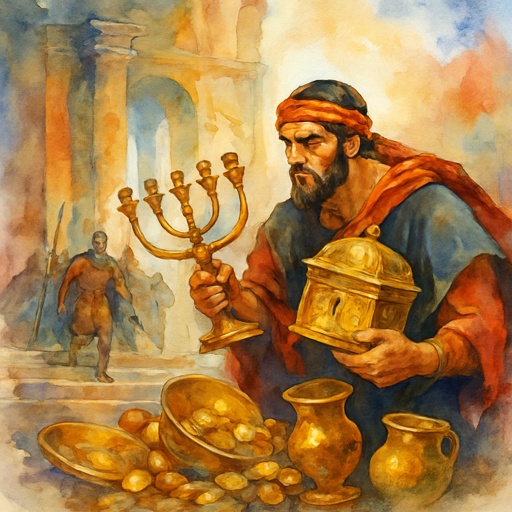
1 Kings 14:26

1 Kings 12:14

1 Kings 12:14

1 Kings 14:1 - "At that time Abijah the son of Jeroboam fell sick."

1 Samuel 14:6

2 Kings 6:14 - "Therefore sent he thither horses, and chariots, and a great host: and they came by night, and compassed the city about."

Matthew 6:14

1 Kings 9:14 - "And Hiram sent to the king sixscore talents of gold."

1 Kings 14:29 - "¶ Now the rest of the acts of Rehoboam, and all that he did, are they not written in the book of the chronicles of the kings of Judah?"

1 Kings 16:14 - "Now the rest of the acts of Elah, and all that he did, are they not written in the book of the chronicles of the kings of Israel?"

1 Kings 4:14 - "Ahinadab the son of Iddo had Mahanaim:"

2 Samuel 6:14

1 Kings 21:14 - "Then they sent to Jezebel, saying, Naboth is stoned, and is dead."

1 Kings 14:30 - "And there was war between Rehoboam and Jeroboam all their days."

1 Kings 6:28 - "And he overlaid the cherubims with gold."

1 Kings 6:11-13

1 Kings 8:6-8

1 Chronicles 14:6 - "And Nogah, and Nepheg, and Japhia,"

1 Kings 6:11-13

1 Kings 6:11-13

1 Kings 6:11-13

1 Kings 6:11-13

1 Kings 14:19 - "And the rest of the acts of Jeroboam, how he warred, and how he reigned, behold, they are written in the book of the chronicles of the kings of Israel."

1 Kings 6:11 - "¶ And the word of the LORD came to Solomon, saying,"