What does 1 Kings 14:4 mean?
"And Jeroboam's wife did so, and arose, and went to Shiloh, and came to the house of Ahijah. But Ahijah could not see; for his eyes were set by reason of his age." - 1 Kings 14:4
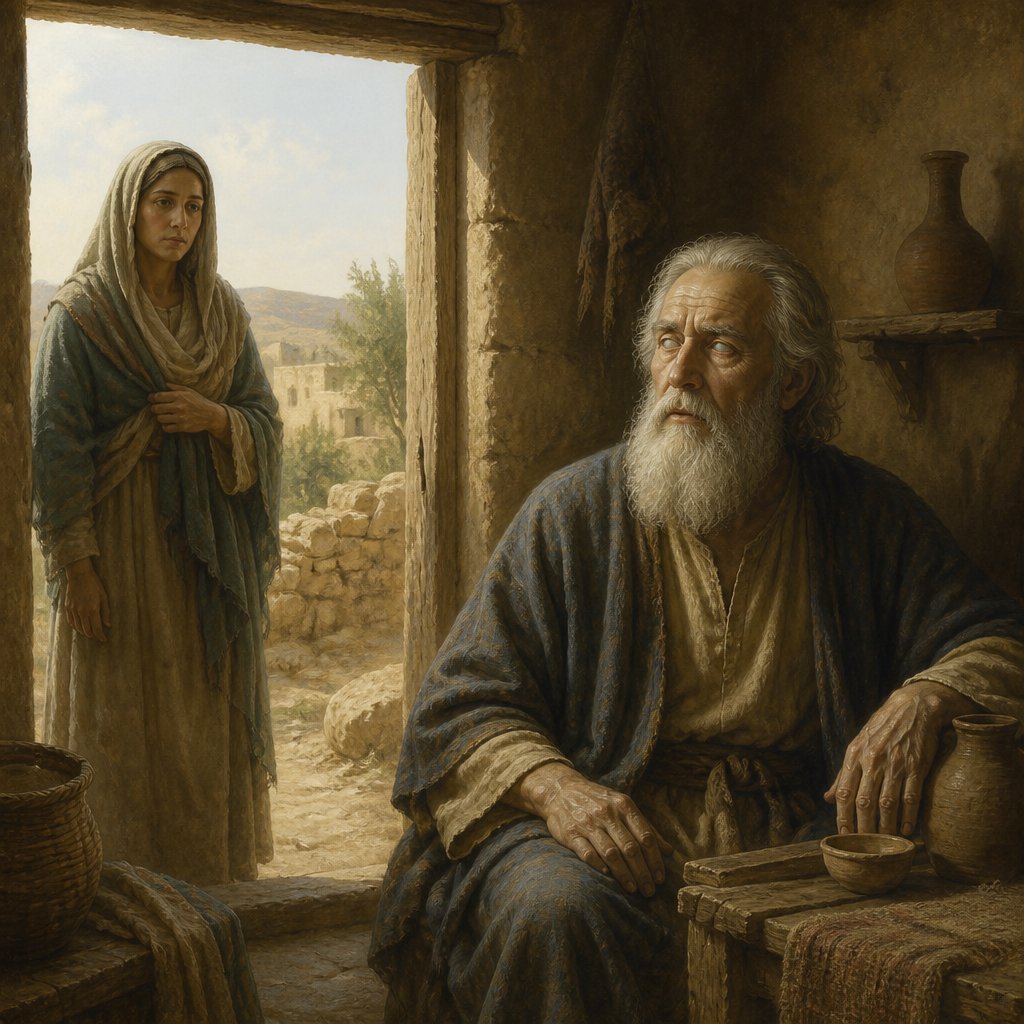
The verse 1 Kings 14:4 in the King James Version reads, "And Jeroboam's wife did so, and arose, and went to Shiloh, and came to the house of Ahijah. But Ahijah could not see; for his eyes were set by reason of his age." This verse is a small part of a larger narrative in the Old Testament, which tells the story of the division of Israel into two kingdoms: the northern kingdom of Israel and the southern kingdom of Judah.
This particular verse takes place during the reign of Jeroboam, the first king of the northern kingdom of Israel after the split from the southern kingdom of Judah. Jeroboam's reign is marked by apostasy and idolatry, and it is within this context that the events of 1 Kings 14:4 take place.
In this verse, Jeroboam's wife, who remains unnamed in the text, goes to Shiloh to seek the prophet Ahijah. Shiloh was an important religious center in ancient Israel and the location of the Tabernacle. Ahijah, the prophet, was a significant figure in the religious and political landscape of the time, and his inability to see is mentioned in this verse. This detail sets the stage for the prophecy that Ahijah is about to deliver to Jeroboam's wife.
The themes in this verse include prophecy, judgment, and the consequences of sin. The narrative surrounding Jeroboam's reign is one of disobedience to God's commands, as he leads the people of Israel into idolatry and away from the worship of the one true God. The prophet Ahijah's lack of sight serves as a symbolic representation of the spiritual blindness that has befallen the nation of Israel under Jeroboam's leadership.
The context of this verse is crucial to understanding its significance. Throughout the book of 1 Kings, the reader is presented with a cycle of sin, judgment, and restoration within the two kingdoms of Israel and Judah. Jeroboam's reign exemplifies the consequences of turning away from God, as his rule is marked by turmoil, rebellion, and the eventual destruction of his dynasty. The inability of Ahijah to see serves as a foreshadowing of the darkness that is to come upon the nation due to their sinfulness.
Symbolism plays a significant role in this verse as well. The prophet Ahijah, despite his physical blindness, is able to see and understand the spiritual condition of the nation of Israel. His proclamation of judgment against Jeroboam and his family serves as a stark reminder of the consequences of straying from God's commands. Additionally, the journey to Shiloh and the encounter with the prophet are symbolic of the people's desire for divine guidance and intervention in the midst of their moral and spiritual decline.
In conclusion, 1 Kings 14:4 is a small but significant part of the larger narrative of Israel's history as recorded in the Old Testament. Within the context of Jeroboam's reign, this verse serves as a reminder of the consequences of disobedience to God and the spiritual blindness that can result from turning away from His commands. The themes of prophecy, judgment, and the consequences of sin are woven throughout this verse, and its symbolism adds depth and meaning to the overall message of the passage.
Have questions about 1 Kings 14:4?
Dive deeper into this scripture with Bible Chat — an AI-powered tool for exploring God's Word through conversation. Ask questions, get context, and grow in your understanding of the Bible.
Get Our Apps


1 Kings 14:4 Artwork

1 Kings 14:4 - "And Jeroboam's wife did so, and arose, and went to Shiloh, and came to the house of Ahijah. But Ahijah could not see; for his eyes were set by reason of his age."
"And Jeroboam's wife did so, and arose, and went to Shiloh, and came to the house of Ahijah. But Ahijah could not see; for his eyes were set by reason of his age." - 1 Kings 14:4

1 Kings 4:14 - "Ahinadab the son of Iddo had Mahanaim:"

"Ahinadab the son of Iddo had Mahanaim:" - 1 Kings 4:14

1 Kings 14:1-20

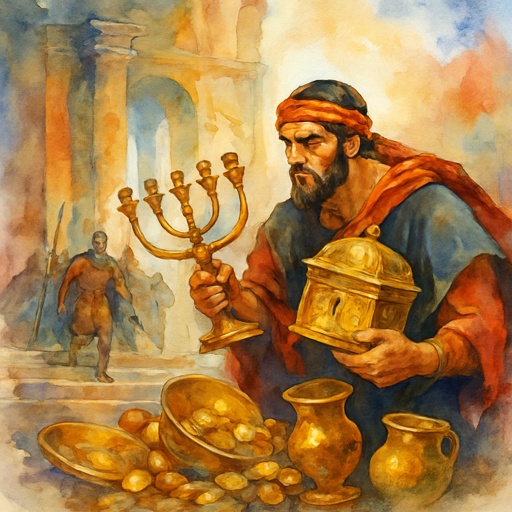
1 Kings 14:26
1 Kings 14:26

1 Kings 12:14

1 Kings 12:14

2 Kings 14:4 - "Howbeit the high places were not taken away: as yet the people did sacrifice and burnt incense on the high places."

1 Kings 14:1 - "At that time Abijah the son of Jeroboam fell sick."

1 Kings 9:14 - "And Hiram sent to the king sixscore talents of gold."

1 Kings 4:1 - "So king Solomon was king over all Israel."

1 Kings 14:29 - "¶ Now the rest of the acts of Rehoboam, and all that he did, are they not written in the book of the chronicles of the kings of Judah?"

1 Kings 16:14 - "Now the rest of the acts of Elah, and all that he did, are they not written in the book of the chronicles of the kings of Israel?"

1 Kings 6:14 - "So Solomon built the house, and finished it."

1 Kings 21:14 - "Then they sent to Jezebel, saying, Naboth is stoned, and is dead."

1 Kings 14:30 - "And there was war between Rehoboam and Jeroboam all their days."

2 Kings 4:14 - "And he said, What then is to be done for her? And Gehazi answered, Verily she hath no child, and her husband is old."

1 Kings 14:19 - "And the rest of the acts of Jeroboam, how he warred, and how he reigned, behold, they are written in the book of the chronicles of the kings of Israel."

1 Kings 4:4 - "And Benaiah the son of Jehoiada was over the host: and Zadok and Abiathar were the priests:"

1 Kings 1:4 - "And the damsel was very fair, and cherished the king, and ministered to him: but the king knew her not."

1 Thessalonians 4:14

Jeremiah 29: 4-14

Daniel 4:13-14

Jeremiah 29: 4-14

Daniel 4:10-14

Jeremiah 29: 4-14

Jeremiah 29: 4-14

Jeremiah 29: 4-14