What does 1 Kings 13:29 mean?
"And the prophet took up the carcase of the man of God, and laid it upon the ass, and brought it back: and the old prophet came to the city, to mourn and to bury him." - 1 Kings 13:29
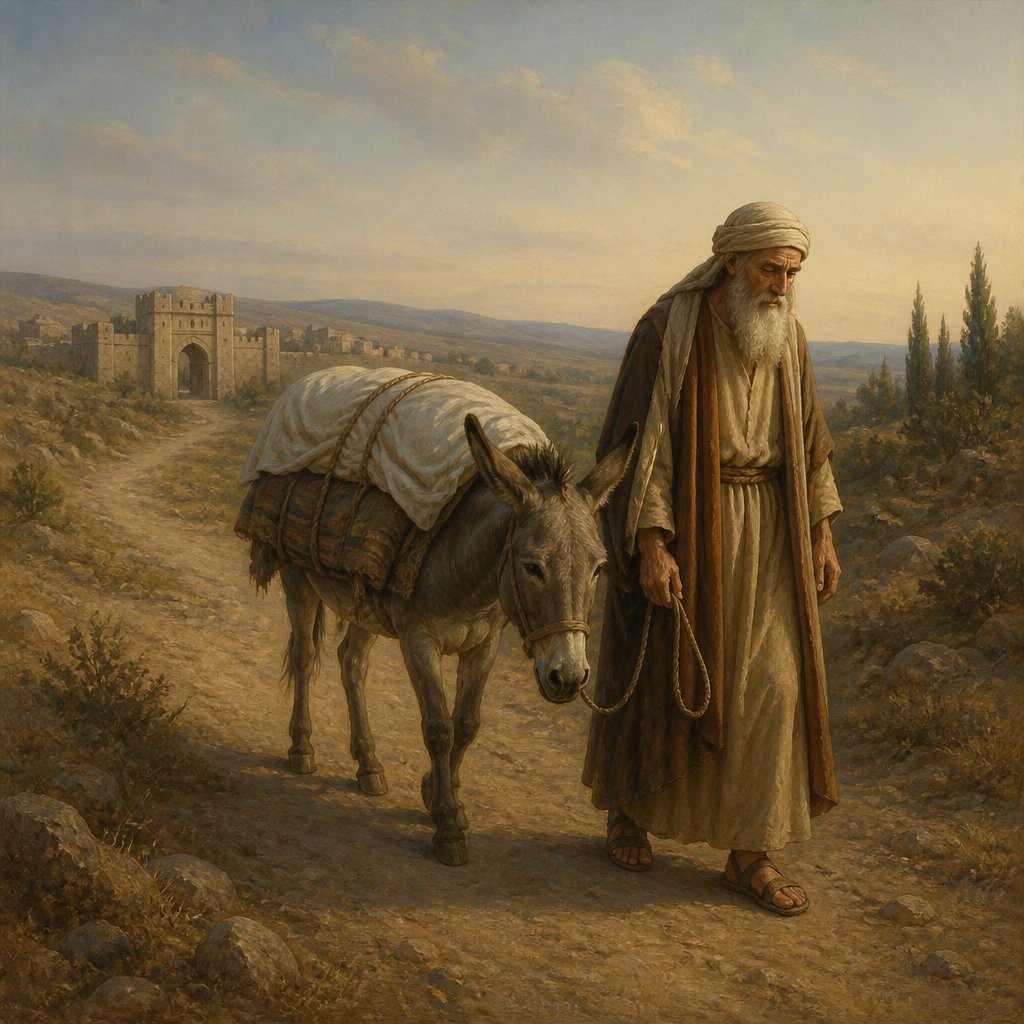
1 Kings 13:29 (KJV) states, "And the prophet took up the carcass of the man of God, and laid it upon the ass, and brought it back: and the old prophet came to the city, to mourn and to bury him."
This verse comes at the end of a story in the book of 1 Kings that tells of a prophet from Judah who was sent by God to rebuke Jeroboam, the king of Israel, for his false worship practices. The prophet delivers God's message to Jeroboam and performs a sign to confirm the authenticity of his message. However, on his way home, he is deceived by an older prophet from Bethel who persuades him to come to his house and eat with him, against the specific instructions given to the prophet by God.
The significance of 1 Kings 13:29 lies in its portrayal of the consequences of disobedience to God's specific instructions. The prophet from Judah, who had faithfully delivered God's message to Jeroboam, falls victim to the deception of the older prophet and pays the ultimate price for his disobedience. This event serves as a sobering reminder of the importance of obedience to God's word, even in the face of temptation or persuasion from others.
The verse also conveys a message about the power of deception and the consequences it can have. The older prophet, who had deceived the man of God, now mourns and buries him, realizing the tragic outcome of his own actions. This serves as a cautionary tale about the dangers of being led astray and the potential harm that can come from following the advice or influence of those who do not have God's best interests at heart.
Moreover, 1 Kings 13:29 serves as a poignant reminder of the fragility and transience of life. The prophet, who had faithfully delivered God's message, meets a tragic end, demonstrating the sobering reality of mortality and the consequences of our choices and actions in this life.
In terms of symbolism, the carcass of the man of God being laid upon the ass and brought back by the prophet carries a profound message. The carcass represents the consequences of disobedience and the ultimate price that is paid for straying from God's path. Additionally, the act of bringing the carcass back serves as a reminder of the importance of taking responsibility for our actions and the need to confront the tragic outcomes that result from our decisions.
Overall, 1 Kings 13:29 serves as a powerful and cautionary tale about the importance of obedience to God's word, the dangers of deception and the consequences it can have, as well as the fragility and transience of life. It reminds us of the need to remain steadfast in our faith and to be vigilant against the influences that may lead us astray. Ultimately, it urges us to seek God's guidance and to heed his instructions, knowing that obedience to his word is the path to true fulfillment and eternal life.
Have questions about 1 Kings 13:29?
Dive deeper into this scripture with Bible Chat — an AI-powered tool for exploring God's Word through conversation. Ask questions, get context, and grow in your understanding of the Bible.
Get Our Apps


1 Kings 13:29 Artwork

1 Kings 13:29 - "And the prophet took up the carcase of the man of God, and laid it upon the ass, and brought it back: and the old prophet came to the city, to mourn and to bury him."
"And the prophet took up the carcase of the man of God, and laid it upon the ass, and brought it back: and the old prophet came to the city, to mourn and to bury him." - 1 Kings 13:29

1 Kings 11:29-32

1 Kings 14:29 - "¶ Now the rest of the acts of Rehoboam, and all that he did, are they not written in the book of the chronicles of the kings of Judah?"

1 Kings 1:29 - "And the king sware, and said, As the LORD liveth, that hath redeemed my soul out of all distress,"

1 Kings 22:29 - "So the king of Israel and Jehoshaphat the king of Judah went up to Ramoth-gilead."

1 Kings 12:29 - "And he set the one in Beth-el, and the other put he in Dan."

1 Kings 11:13

1 Kings 11:13

1 Kings 10:29 - "And a chariot came up and went out of Egypt for six hundred shekels of silver, and an horse for an hundred and fifty: and so for all the kings of the Hittites, and for the kings of Syria, did they bring them out by their means."

1 Kings 6:11-13

1 kings 11:11-13

1 Kings 11:11-13

1 Chronicles 29:13 - "Now therefore, our God, we thank thee, and praise thy glorious name."

1 Kings 4:29 - "¶ And God gave Solomon wisdom and understanding exceeding much, and largeness of heart, even as the sand that is on the sea shore."

1 Kings 6:11-13

1 Kings 6:11-13

1 Kings 6:11-13

1 Kings 6:11-13

1 Kings 11:11-13

1 Kings 7:13 - "¶ And king Solomon sent and fetched Hiram out of Tyre."

1 Kings 6:29 - "And he carved all the walls of the house round about with carved figures of cherubims and palm trees and open flowers, within and without."

1 Kings 13:13 - "And he said unto his sons, Saddle me the ass. So they saddled him the ass: and he rode thereon,"

1 Kings 12:13 - "And the king answered the people roughly, and forsook the old men's counsel that they gave him;"

"¶ Now the rest of the acts of Rehoboam, and all that he did, are they not written in the book of the chronicles of the kings of Judah?" - 1 Kings 14:29

1 Kings 13:15 - "Then he said unto him, Come home with me, and eat bread."

1 Kings 6:13 - "And I will dwell among the children of Israel, and will not forsake my people Israel."

1 Kings 5:13 - "¶ And king Solomon raised a levy out of all Israel; and the levy was thirty thousand men."

1 Kings 6:29 – "He carved all the walls of the temple round about with carved figures of cherubim and palm trees and open flowers."

Jeremiah 29:11-13