What does 1 Kings 12:9 mean?
"And he said unto them, What counsel give ye that we may answer this people, who have spoken to me, saying, Make the yoke which thy father did put upon us lighter?" - 1 Kings 12:9
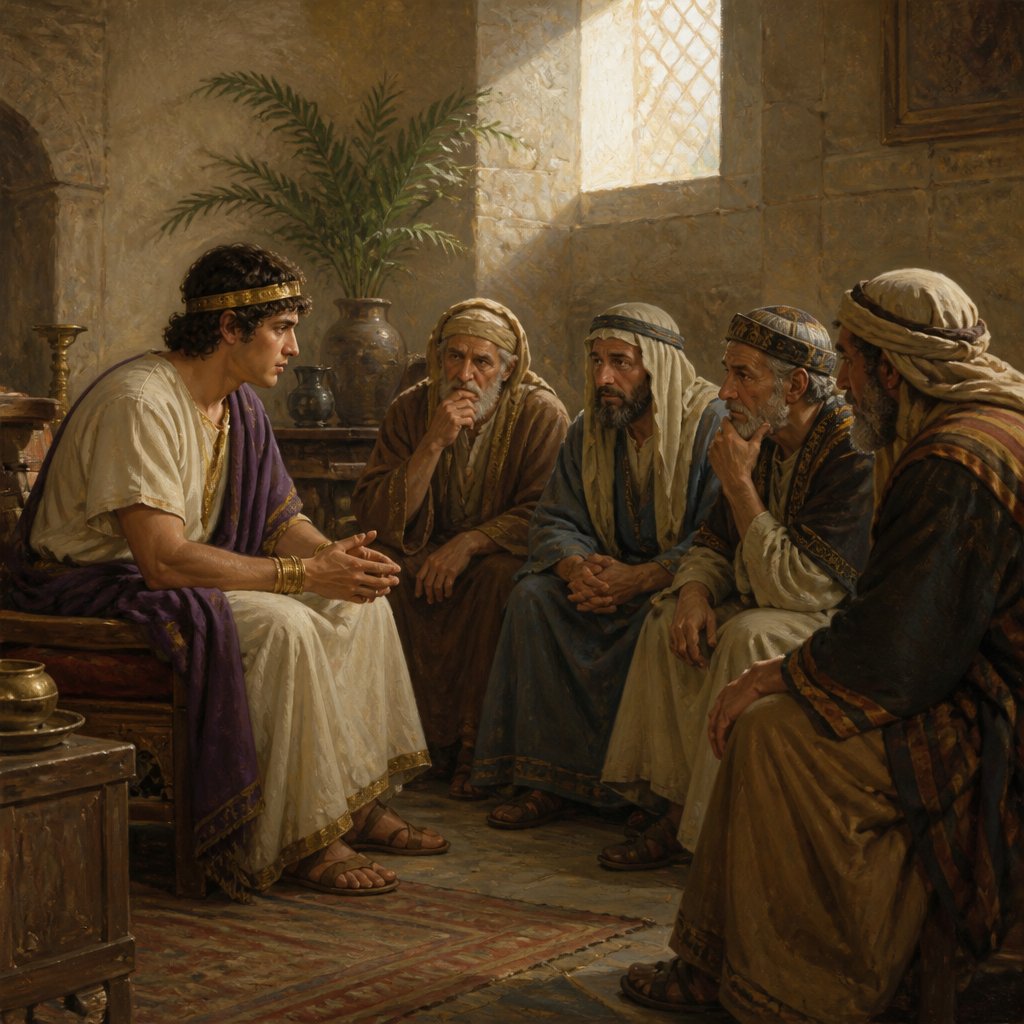
1 Kings 12:9 (KJV) states: "And he said unto them, What counsel give ye that we may answer this people, who have spoken to me, saying, Make the yoke which thy father did put upon us lighter?"
This verse is part of the story of Rehoboam, the son of King Solomon, who had just ascended to the throne of Israel. After the death of Solomon, the people of Israel came to Rehoboam with a request to lighten the heavy burden of taxation and forced labor that his father had placed upon them. In this verse, Rehoboam seeks counsel from his advisors on how to respond to this request.
In this verse, Rehoboam's question to his advisors reflects a crucial moment in his reign and marks the beginning of a significant turning point in the history of Israel. The way in which Rehoboam responds to the people's request will ultimately determine the course of his reign and the fate of the kingdom of Israel.
One of the key themes in this verse is the exercise of power and leadership. Rehoboam's question to his advisors illustrates the responsibility that comes with leadership and the weight of making decisions that will impact the lives of others. It also highlights the importance of seeking counsel and considering the well-being of the people under his rule.
The context of this verse is important in understanding the significance of Rehoboam's dilemma. The people of Israel had been subject to heavy taxation and forced labor under the rule of Solomon, and they saw Rehoboam's ascension to the throne as an opportunity for change. Their request for a lighter yoke reflects their desire for relief from the burdensome policies of the previous administration. Rehoboam's response to this request will reveal his approach to governance and set the tone for his reign.
The symbolism in this verse lies in the concept of the "yoke" that the people wanted to be made lighter. In biblical times, a yoke was a wooden beam that connected two animals, such as oxen, for the purpose of pulling a plow or carrying a load. Metaphorically, the term "yoke" came to represent the burden or oppression imposed by those in power. The people of Israel were seeking relief from the heavy yoke of taxation and forced labor that had been placed upon them.
Furthermore, the verse also serves as a lesson in the use of wisdom and counsel in decision-making. Rehoboam's decision to seek the advice of his advisors demonstrates the importance of considering the perspectives of others and not relying solely on one's own judgment. However, the outcome of this story also serves as a cautionary tale about the potential consequences of disregarding wise counsel and making decisions that serve one's own interests rather than the well-being of the people.
In conclusion, 1 Kings 12:9 marks a pivotal moment in the history of Israel, as it sets the stage for the division of the kingdom and the eventual downfall of the united monarchy. The verse reflects themes of leadership, governance, and the responsibility of those in power to consider the welfare of their subjects. It also serves as a lesson in the importance of seeking counsel and making decisions that prioritize the common good. Ultimately, the verse carries a message about the impact of leadership decisions on the fate of a nation.
Have questions about 1 Kings 12:9?
Dive deeper into this scripture with Bible Chat — an AI-powered tool for exploring God's Word through conversation. Ask questions, get context, and grow in your understanding of the Bible.
Get Our Apps


1 Kings 12:9 Artwork

1 Kings 12:9 - "And he said unto them, What counsel give ye that we may answer this people, who have spoken to me, saying, Make the yoke which thy father did put upon us lighter?"
"And he said unto them, What counsel give ye that we may answer this people, who have spoken to me, saying, Make the yoke which thy father did put upon us lighter?" - 1 Kings 12:9
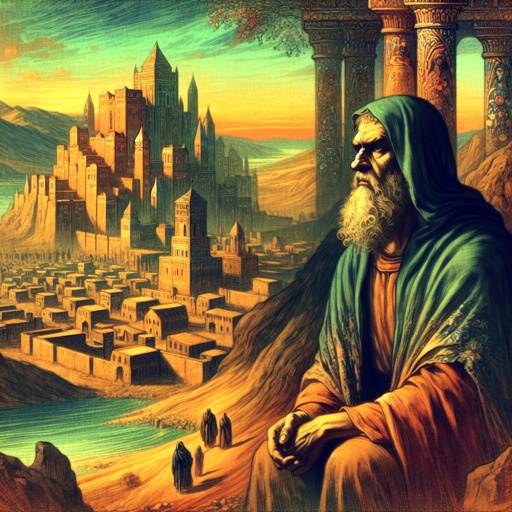
1 Kings 9:12 - "And Hiram came out from Tyre to see the cities which Solomon had given him; and they pleased him not."

1 Kings 12:11

1 Kings 12:11

1 Kings 12:10

1 Kings 12:10

1 Kings 12:10

1 Kings 12:11

1 Kings 12:10
1 Kings 12:11

1 Kings 12:14

1 Kings 12:14

1 Kings 12:11

1 kings 3:12

1 Kings 3:9

1 Kings 9:18 - "And Baalath, and Tadmor in the wilderness, in the land,"

1 Kings 9:14 - "And Hiram sent to the king sixscore talents of gold."

Revelation 12:3-9

1 Kings 12:1 - "And Rehoboam went to Shechem: for all Israel were come to Shechem to make him king."
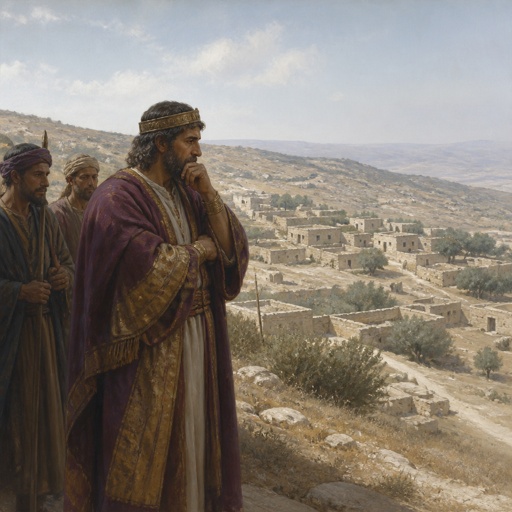
"And Hiram came out from Tyre to see the cities which Solomon had given him; and they pleased him not." - 1 Kings 9:12

1 Kings 9:17 - "And Solomon built Gezer, and Beth-horon the nether,"

1 Kings 12:19 - "So Israel rebelled against the house of David unto this day."

Ezequiel 47, 1-9. 12

1 Kings 21:12 - "They proclaimed a fast, and set Naboth on high among the people."

1 Kings 12:12 - "¶ So Jeroboam and all the people came to Rehoboam the third day, as the king had appointed, saying, Come to me again the third day."

Ezekiel 47:1-9, 12

1 Kings 15:9 - "¶ And in the twentieth year of Jeroboam king of Israel reigned Asa over Judah."

1 Kings 12:22 - "But the word of God came unto Shemaiah the man of God, saying,"

1 Kings 12:13 - "And the king answered the people roughly, and forsook the old men's counsel that they gave him;"