What does 1 Kings 12:4 mean?
"Thy father made our yoke grievous: now therefore make thou the grievous service of thy father, and his heavy yoke which he put upon us, lighter, and we will serve thee." - 1 Kings 12:4
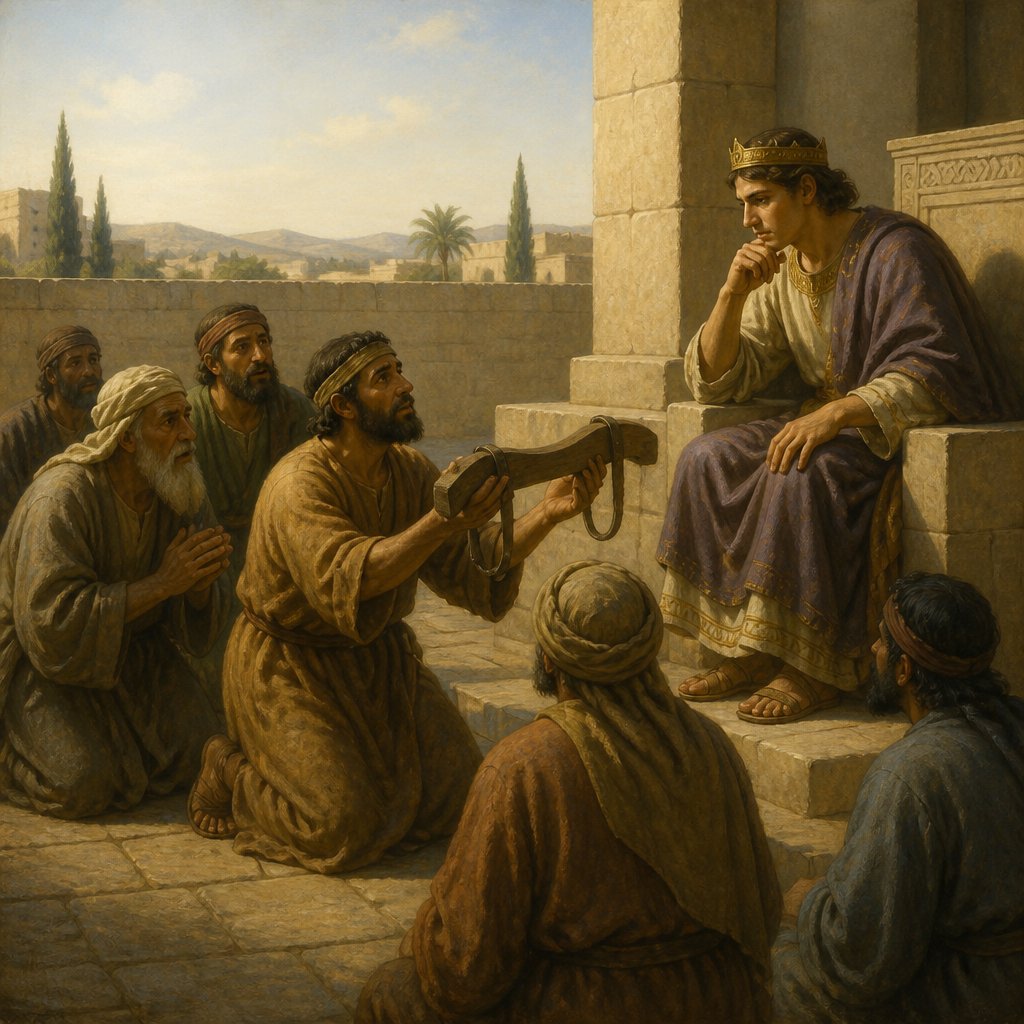
1 Kings 12:4 (KJV): "Thy father made our yoke grievous: now therefore make thou the grievous service of thy father, and his heavy yoke which he put upon us, lighter, and we will serve thee."
In this verse, we witness the newly crowned King Rehoboam of Judah being approached by the people of Israel regarding the burdensome and oppressive policies of his father, King Solomon. They are essentially pleading with Rehoboam to ease the heavy yoke that had been placed upon them during Solomon's reign.
The context of this verse is crucial for understanding its significance. Following the death of Solomon, the kingdom of Israel was divided into the northern kingdom of Israel and the southern kingdom of Judah. Rehoboam, Solomon's son, was to take the throne as king of Judah. However, upon entering the throne, he is immediately confronted with the discontent of the people over the oppressive policies of his father.
This verse speaks to the themes of leadership, governance, and the responsibility of a ruler to act with wisdom and mercy. The people are crying out for relief from the heavy burdens that had been placed upon them by King Solomon. Their request embodies the longing for justice, fairness, and relief from oppression within the context of political leadership. It is a plea for a ruler who will govern with compassion and understanding, rather than with harshness and tyranny.
The symbolism of the "yoke" in this verse is particularly notable. Throughout the Bible, the concept of a yoke is used to represent servitude, oppression, and burdens. In this case, the heavy yoke placed upon the people by Solomon's policies is symbolic of their oppressive and burdensome labor. The people are seeking a release from the weight of their grievances and are looking to Rehoboam to provide relief.
Furthermore, the verse highlights the principle of servant leadership. It contrasts the heavy-handed leadership of Solomon with the potential for a more compassionate and understanding approach of Rehoboam. The people are essentially asking Rehoboam to consider their needs and to lead with empathy and wisdom. This aligns with the biblical principles of humility and service, wherein leaders are called to prioritize the well-being of those they govern.
The response of Rehoboam to the people's plea is ultimately one of folly. Instead of heeding the wisdom of his father's seasoned advisers to respond with compassion, he chooses to double down on the oppressive policies, resulting in a revolt led by Jeroboam. This response only serves to exacerbate the existing tensions and ultimately leads to the division of the kingdom.
In conclusion, 1 Kings 12:4 serves as a poignant reminder of the responsibilities and challenges of leadership. It underscores the importance of governing with empathy, wisdom, and justice, rather than with harshness and oppression. The verse also highlights the consequences of failing to listen to the needs of the people and the potential for division and strife when leaders neglect their duties. It stands as a timeless lesson on the virtues of wise and compassionate leadership.
Have questions about 1 Kings 12:4?
Dive deeper into this scripture with Bible Chat — an AI-powered tool for exploring God's Word through conversation. Ask questions, get context, and grow in your understanding of the Bible.
Get Our Apps


1 Kings 12:4 Artwork

1 Kings 12:4 - "Thy father made our yoke grievous: now therefore make thou the grievous service of thy father, and his heavy yoke which he put upon us, lighter, and we will serve thee."
"Thy father made our yoke grievous: now therefore make thou the grievous service of thy father, and his heavy yoke which he put upon us, lighter, and we will serve thee." - 1 Kings 12:4

1 Kings 12:11

1 Kings 12:11

1 Kings 12:10

1 Kings 12:10

1 Kings 12:10

1 Kings 12:11

1 Kings 12:10
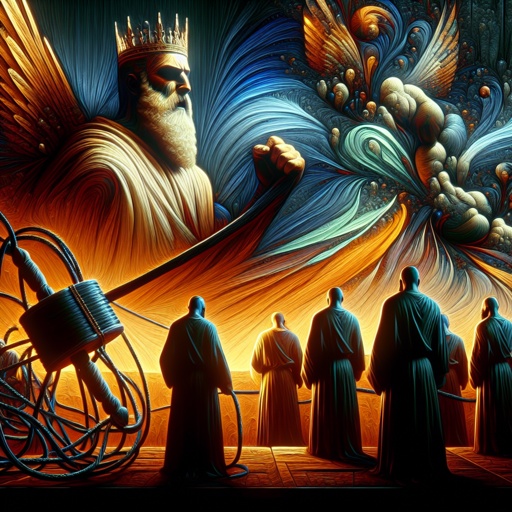
1 Kings 12:11

1 Kings 12:14

1 Kings 12:14

1 Kings 12:11

1 Kings 4:12 - "Baana the son of Ahilud; to him pertained Taanach and Megiddo, and all Beth-shean, which is by Zartanah beneath Jezreel, from Beth-shean to Abel-meholah, even unto the place that is beyond Jokneam:"

1 kings 3:12

1 Kings 4:1 - "So king Solomon was king over all Israel."

1 Kings 12:1 - "And Rehoboam went to Shechem: for all Israel were come to Shechem to make him king."

1 Samuel 4:12

1 Kings 4:4 - "And Benaiah the son of Jehoiada was over the host: and Zadok and Abiathar were the priests:"

1 Kings 1:4 - "And the damsel was very fair, and cherished the king, and ministered to him: but the king knew her not."

Lamentations 4:12 - "The kings of the earth, and all the inhabitants of the world, would not have believed that the adversary and the enemy should have entered into the gates of Jerusalem."

1 Kings 4:18 - "Shimei the son of Elah, in Benjamin:"

1 Kings 12:19 - "So Israel rebelled against the house of David unto this day."

1 Kings 4:17 - "Jehoshaphat the son of Paruah, in Issachar:"

1 Kings 21:12 - "They proclaimed a fast, and set Naboth on high among the people."

1 Kings 12:12 - "¶ So Jeroboam and all the people came to Rehoboam the third day, as the king had appointed, saying, Come to me again the third day."

1 Kings 4:8 - "And these are their names: The son of Hur, in mount Ephraim:"

1 Kings 4:14 - "Ahinadab the son of Iddo had Mahanaim:"

1 Kings 12:22 - "But the word of God came unto Shemaiah the man of God, saying,"
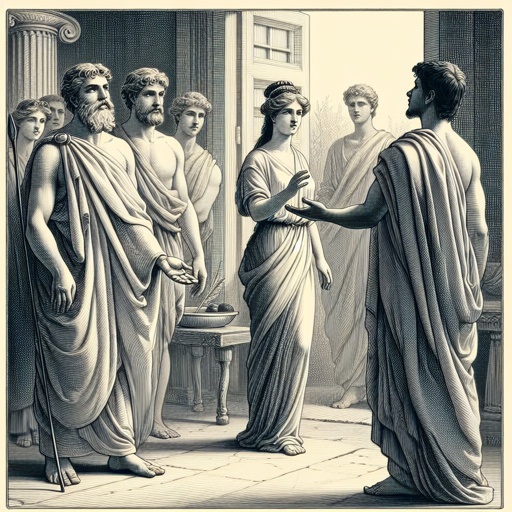
2 Kings 4:12 - "And he said to Gehazi his servant, Call this Shunammite. And when he had called her, she stood before him."