What does 1 Kings 12:15 mean?
"Wherefore the king hearkened not unto the people; for the cause was from the LORD, that he might perform his saying, which the LORD spake by Ahijah the Shilonite unto Jeroboam the son of Nebat." - 1 Kings 12:15
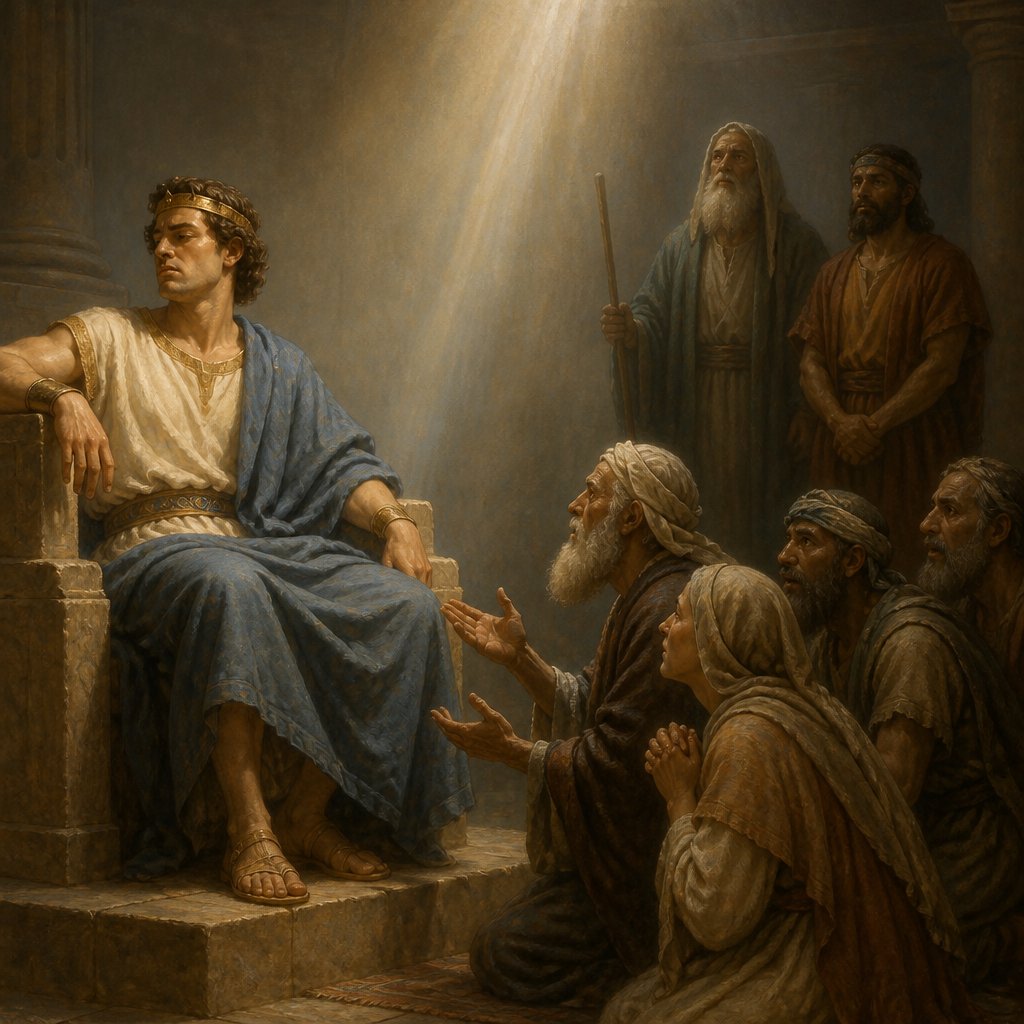
1 Kings 12:15 (KJV) states, "Wherefore the king hearkened not unto the people; for the cause was from the Lord, that he might perform his saying, which the Lord spake by Ahijah the Shilonite unto Jeroboam the son of Nebat."
This verse comes from the book of 1 Kings in the Old Testament, which recounts the history of Israel after the death of King David. The context for this verse is the division of the kingdom of Israel after the reign of King Solomon. Solomon's son, Rehoboam, became the next king, and the people came to him with a request for a lighter burden of labor and taxation. This verse is part of the narrative describing Rehoboam's response to the people's request.
The verse begins with "Wherefore," indicating that the reason for what follows is about to be explained. It then states, "the king hearkened not unto the people," referring to Rehoboam's refusal to grant the people's request. This decision is significant because it leads to the division of the kingdom.
The verse continues, "for the cause was from the Lord, that he might perform his saying," indicating that God was ultimately behind the events that transpired. This highlights the sovereignty of God in the affairs of nations and rulers. It emphasizes the idea that ultimately, God's purposes will be fulfilled, even if human leaders make decisions that have significant consequences.
The remainder of the verse references a prophecy given by Ahijah the Shilonite to Jeroboam, predicting that Jeroboam would become king over ten of the twelve tribes of Israel. This prophecy is significant because it foretells the division of the kingdom and the rise of Jeroboam as a separate king. The verse implies that God orchestrated the events leading to the division of the kingdom to fulfill this prophecy.
One theme present in this verse is the idea of divine sovereignty and the fulfillment of prophecy. The verse suggests that even when human leaders make decisions that have negative consequences, God is ultimately in control and will ensure that His purposes are fulfilled. This theme reflects the broader biblical concept of God's sovereignty over human history and His ability to bring about His plans despite human failings or resistance.
Another theme is the consequences of pride and poor leadership. Rehoboam's refusal to listen to the people's request for relief from burdensome labor and taxation leads to the division of the kingdom. This serves as a cautionary tale about the dangers of pride and the importance of wise and just leadership. It also demonstrates the impact of leadership decisions on the lives of the people they govern.
The symbolism in this verse lies in the larger narrative of the division of the kingdom. The division symbolizes the consequences of disunity and a lack of leadership that is responsive to the needs of the people. It serves as a warning about the dangers of internal strife and the importance of wise and just governance.
In conclusion, 1 Kings 12:15 (KJV) is a verse that highlights the themes of divine sovereignty, the consequences of pride and poor leadership, and the symbolism of the division of the kingdom. It is a reminder of the importance of humility, wisdom, and justice in leadership, and the ultimately fulfilling plan of God in human history.
Have questions about 1 Kings 12:15?
Dive deeper into this scripture with Bible Chat — an AI-powered tool for exploring God's Word through conversation. Ask questions, get context, and grow in your understanding of the Bible.
Get Our Apps


1 Kings 12:15 Artwork

1 Kings 12:15 - "Wherefore the king hearkened not unto the people; for the cause was from the LORD, that he might perform his saying, which the LORD spake by Ahijah the Shilonite unto Jeroboam the son of Nebat."
"Wherefore the king hearkened not unto the people; for the cause was from the LORD, that he might perform his saying, which the LORD spake by Ahijah the Shilonite unto Jeroboam the son of Nebat." - 1 Kings 12:15

1 Kings 15:12 - "And he took away the sodomites out of the land, and removed all the idols that his fathers had made."

1 Kings 12:11

1 Kings 12:11

1 Kings 12:10

1 Kings 12:10

1 Kings 12:10

1 Kings 12:11

1 Kings 12:10
1 Kings 12:11

1 Kings 12:14

1 Kings 12:14

1 Kings 12:11

2 Kings 12:15 - "Moreover they reckoned not with the men, into whose hand they delivered the money to be bestowed on workmen: for they dealt faithfully."

1 kings 3:15

1 kings 3:15

Numbers 12 15

1 kings 3:12
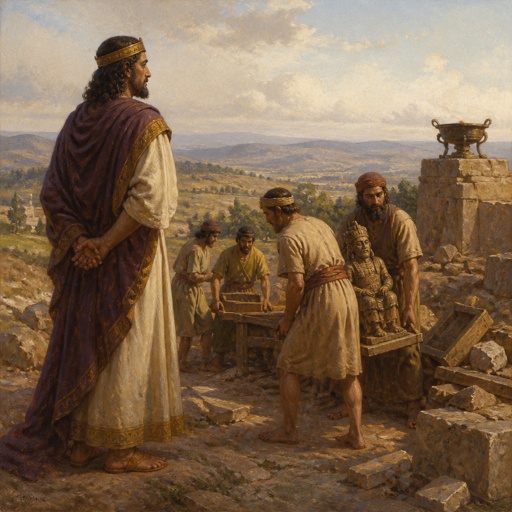
"And he took away the sodomites out of the land, and removed all the idols that his fathers had made." - 1 Kings 15:12

Colossians 3:12-15

1 Kings 15:31 - "¶ Now the rest of the acts of Nadab, and all that he did, are they not written in the book of the chronicles of the kings of Israel?"

1 Kings 10:15 - "Beside that he had of the merchantmen, and of the traffick of the spice merchants, and of all the kings of Arabia, and of the governors of the country."

1 Kings 15:1 - "Now in the eighteenth year of king Jeroboam the son of Nebat reigned Abijam over Judah."

Joshua 12:15 - "The king of Libnah, one; the king of Adullam, one;"

1 Timothy 6:15-16 – "God, the blessed and only Ruler, the King of kings and Lord of lords."

1 Kings 15:32 - "And there was war between Asa and Baasha king of Israel all their days."

1 Kings 15:16 - "¶ And there was war between Asa and Baasha king of Israel all their days."

1 Kings 11:1-5

1 Timothy 6:15-16 – "God, the blessed and only Ruler, the King of kings and Lord of lords."