What does 1 Kings 12:1 mean?
"And Rehoboam went to Shechem: for all Israel were come to Shechem to make him king." - 1 Kings 12:1
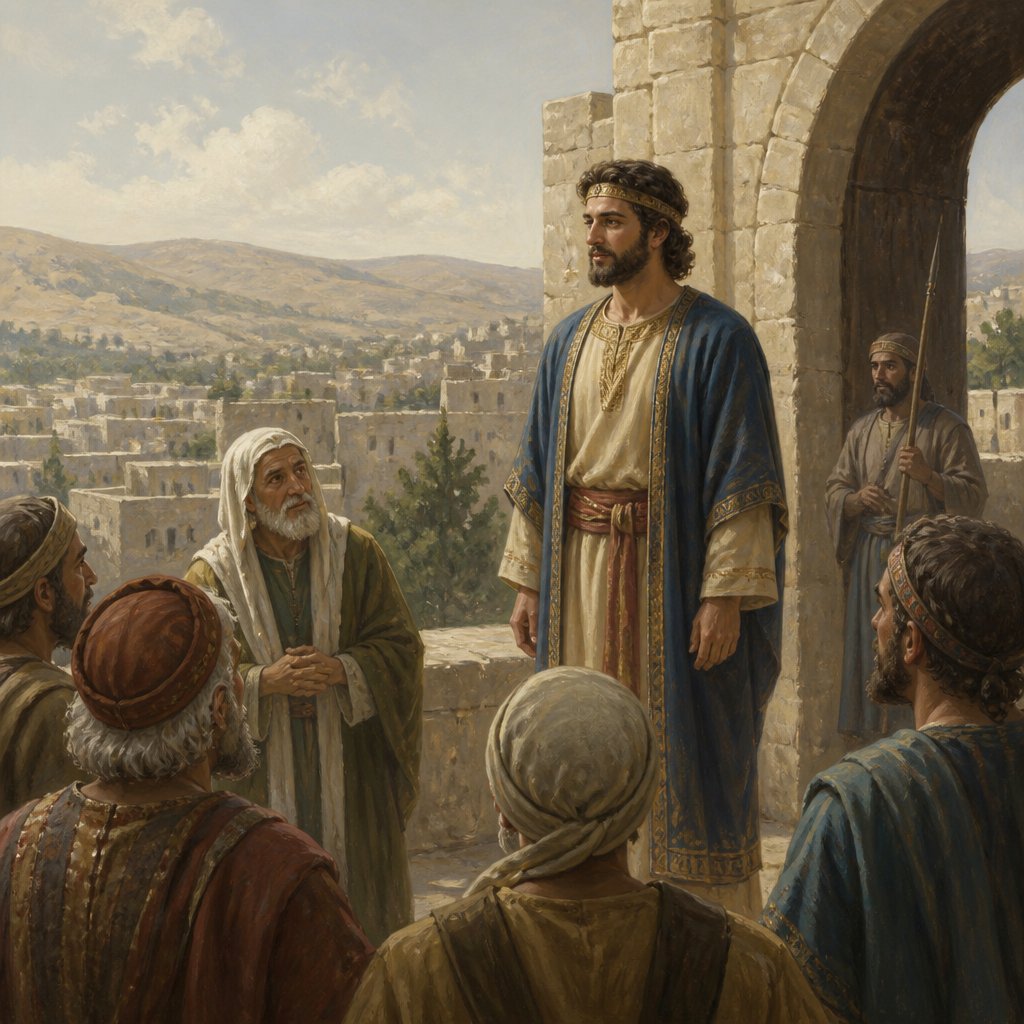
In 1 Kings 12:1, the King James Version (KJV) reads, "And Rehoboam went to Shechem: for all Israel were come to Shechem to make him king." This verse marks a pivotal moment in the history of Israel, as it details the events that lead to the division of the kingdom into the northern kingdom of Israel and the southern kingdom of Judah.
To fully understand the significance of this verse, it is important to provide some context. Rehoboam was the son of King Solomon, who was known for his wisdom and wealth. However, he also imposed heavy labor and taxes on the people of Israel to fund his ambitious building projects, which caused widespread discontent among the people. After the death of Solomon, his son Rehoboam ascended to the throne and traveled to Shechem to be confirmed as king by the entire nation of Israel.
The city of Shechem held historical and spiritual significance for the Israelites, as it was the place where God had first appeared to Abraham and promised the land of Canaan to his descendants. Additionally, Shechem was located in the tribal territory of Ephraim, which was one of the largest and most powerful tribes in Israel. Therefore, the fact that all of Israel gathered in Shechem to make Rehoboam king underscores the communal and national significance of this event.
The verse also serves as a foreshadowing of the division that is about to take place in the kingdom. The fact that "all Israel were come to Shechem" indicates that the people were united in their desire to affirm Rehoboam as their king. However, this unity is soon shattered as a result of Rehoboam's actions.
Upon assuming the throne, Rehoboam is faced with a decision regarding the heavy burdens that his father had placed on the people. Seeking counsel, he first consults with the elders who had served his father. They advise him to lighten the people's load and show them kindness, which would secure their loyalty and obedience. However, Rehoboam rejects their counsel and instead seeks the advice of his young friends. They urge him to rule with even greater harshness and assert his authority over the people.
Rehoboam's fateful decision to heed the counsel of his peers leads to a rebellion by the northern tribes, who refuse to acknowledge his reign. Jeroboam, a former official of Solomon, emerges as the leader of the northern tribes and establishes the kingdom of Israel with its capital in Shechem. Meanwhile, Rehoboam becomes the king of the southern tribes of Judah, with Jerusalem as his capital.
The division of the kingdom into Israel and Judah signifies a turning point in the history of Israel. It is a consequence of the people's discontent and the failure of their leader to govern with wisdom and compassion. The repercussions of Rehoboam's actions will play out in the subsequent events of the biblical narrative, ultimately leading to the downfall of both kingdoms and the exile of the Israelites.
The themes present in this verse include the consequences of leadership decisions, the importance of wisdom and humility in governance, and the impact of unity and division within a nation. The context of the verse within the broader narrative of 1 Kings highlights the complex political and spiritual dynamics at play in the kingdom of Israel.
Symbolically, Shechem represents a central gathering place for the nation of Israel and symbolizes the unity and communal identity of the people. The division of the kingdom at Shechem signifies the fracture of this unity and the disintegration of the nation. The two kingdoms that emerge from this event reflect the consequences of a leader's failure to govern justly and the enduring impact of their decisions on the people they are called to lead.
In conclusion, 1 Kings 12:1 serves as a pivotal verse in the biblical narrative, as it marks the genesis of the division of the kingdom of Israel. It underscores the significance of leadership decisions and the consequences of governance, while also highlighting the themes of unity and division within a nation. The verse's context within the broader narrative of 1 Kings and its symbolism within the historical and spiritual landscape of Israel further enrich its meaning and significance.
Have questions about 1 Kings 12:1?
Dive deeper into this scripture with Bible Chat — an AI-powered tool for exploring God's Word through conversation. Ask questions, get context, and grow in your understanding of the Bible.
Get Our Apps


1 Kings 12:1 Artwork

1 Kings 12:1 - "And Rehoboam went to Shechem: for all Israel were come to Shechem to make him king."
"And Rehoboam went to Shechem: for all Israel were come to Shechem to make him king." - 1 Kings 12:1

1 Kings 12:11

1 Kings 12:11

1 Kings 12:10

1 Kings 12:10

1 kings 3:12

1 Kings 12:10

1 Kings 12:11

1 Kings 12:10
1 Kings 12:11

1 Kings 12:14

1 Kings 12:14

1 Kings 12:11

1 Kings 21:12 - "They proclaimed a fast, and set Naboth on high among the people."

1 Kings 12:19 - "So Israel rebelled against the house of David unto this day."

1 Kings 12:22 - "But the word of God came unto Shemaiah the man of God, saying,"

1 Kings 12:13 - "And the king answered the people roughly, and forsook the old men's counsel that they gave him;"

1 Kings 12:12 - "¶ So Jeroboam and all the people came to Rehoboam the third day, as the king had appointed, saying, Come to me again the third day."

1 Kings 12:29 - "And he set the one in Beth-el, and the other put he in Dan."

1 Kings 8:12 - "¶ Then spake Solomon, The LORD said that he would dwell in the thick darkness."

1 Kings 19:12 - "And after the earthquake a fire; but the LORD was not in the fire: and after the fire a still small voice."

1 Kings 12:17 - "But as for the children of Israel which dwelt in the cities of Judah, Rehoboam reigned over them."

1 Kings 12:26 - "And Jeroboam said in his heart, Now shall the kingdom return to the house of David:"

1 Kings 12:30 - "And this thing became a sin: for the people went to worship before the one, even unto Dan."

1 Kings 2:12 - "¶ Then sat Solomon upon the throne of David his father; and his kingdom was established greatly."

1 Kings 1:12 - "Now therefore come, let me, I pray thee, give thee counsel, that thou mayest save thine own life, and the life of thy son Solomon."

1 Kings 12:3 - "That they sent and called him. And Jeroboam and all the congregation of Israel came, and spake unto Rehoboam, saying,"

1 Kings 12:31 - "And he made an house of high places, and made priests of the lowest of the people, which were not of the sons of Levi."

1 Kings 12:25 - "¶ Then Jeroboam built Shechem in mount Ephraim, and dwelt therein; and went out from thence, and built Penuel."