What does 1 John 4:8 mean?
"He that loveth not knoweth not God; for God is love." - 1 John 4:8
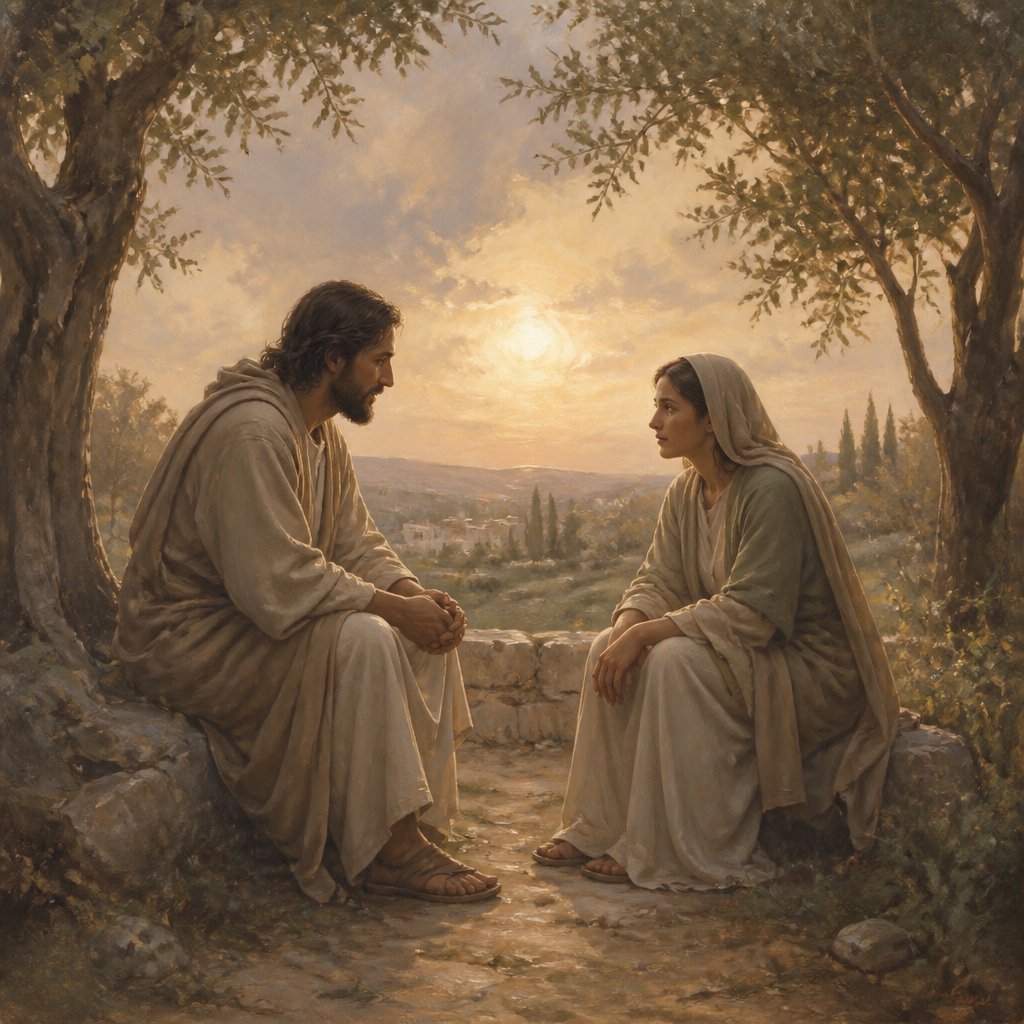
1 John 4:8 in the King James Version reads, "He that loveth not knoweth not God; for God is love." This simple yet powerful verse encapsulates a key theme found throughout the Bible - the nature of God as love.
In the context of the verse, the apostle John is writing to the early Christian church to warn them about false prophets and to remind them of the importance of distinguishing between true and false teachings. In the preceding verses, John emphasizes the importance of discerning the spirit of truth from the spirit of error and encourages believers to test the spirits to see whether they are from God. In verse 7, John writes, "Beloved, let us love one another: for love is of God; and every one that loveth is born of God, and knoweth God." This sets the stage for the declaration in verse 8 that "God is love."
The theme of God's love is pervasive throughout the Bible, and it is central to the Christian faith. The Bible teaches that God's love is unconditional, sacrificial, and unchanging. This is demonstrated in John 3:16, which states, "For God so loved the world, that he gave his only begotten Son, that whosoever believeth in him should not perish, but have everlasting life." This verse highlights the sacrificial nature of God's love, as He gave His own Son to save humanity.
The concept of God as love is also tied to His nature and character. 1 John 4:16 further emphasizes this, stating, "And we have known and believed the love that God hath to us. God is love; and he that dwelleth in love dwelleth in God, and God in him." This verse reaffirms the inseparable connection between God and love, reinforcing the idea that love is not just something God does, but it is who He is.
The significance of God's love is further underscored in the life and teachings of Jesus Christ. Throughout His ministry, Jesus consistently demonstrated love and compassion towards others, regardless of their social status, ethnicity, or moral standing. He taught His followers to love their enemies, to forgive those who wronged them, and to love their neighbors as themselves. In fact, Jesus summarized the entire law with the commandments to love God with all one's heart, soul, and mind, and to love one's neighbor as oneself (Matthew 22:37-40).
The concept of God as love also carries significant symbolism within the Christian faith. For believers, God's love serves as a source of comfort, hope, and assurance. It provides a foundation for their faith and a motivation to love others as they have been loved by God. The symbol of the cross, representing the ultimate act of love through Jesus' sacrificial death, is a tangible reminder of God's love for humanity.
In the broader theological context, the declaration that "God is love" has profound implications for understanding the nature of the Trinity. The concept of God as love implies a relational aspect within the Godhead, as the Father, Son, and Holy Spirit exist in a perfect, loving relationship with one another.
In conclusion, 1 John 4:8 is a foundational verse that encapsulates the essence of God's nature as love. It serves as a powerful reminder to believers of the central importance of love in the Christian faith and the transformative power of God's love in their lives. As they seek to understand and embody God's love, believers are called to love others unconditionally, sacrificially, and selflessly, reflecting the love they have received from God.
Have questions about 1 John 4:8?
Dive deeper into this scripture with Bible Chat — an AI-powered tool for exploring God's Word through conversation. Ask questions, get context, and grow in your understanding of the Bible.
Get Our Apps


1 John 4:8 Artwork

1 John 4:8 - "He that loveth not knoweth not God; for God is love."

"He that loveth not knoweth not God; for God is love." - 1 John 4:8

1 John 4:8-9 - "Whoever does not love does not know God, because God is love. This is how God showed his love among us: He sent his one and only Son into the world that we might live through him."
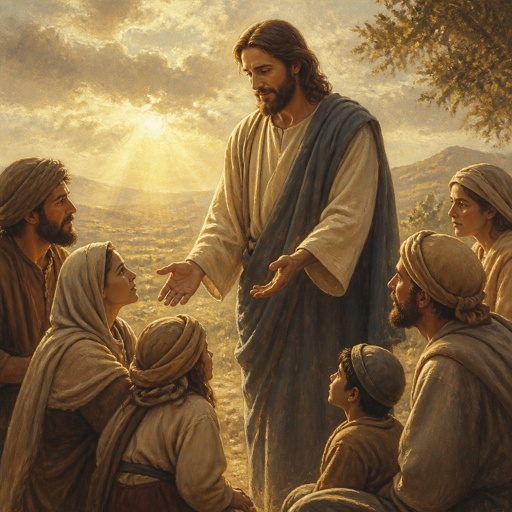
"Whoever does not love does not know God, because God is love. This is how God showed his love among us: He sent his one and only Son into the world that we might live through him." - 1 John 4:8-9

1 John 4:13

1 John 4:18

1 John 4:18

John 8:4-11
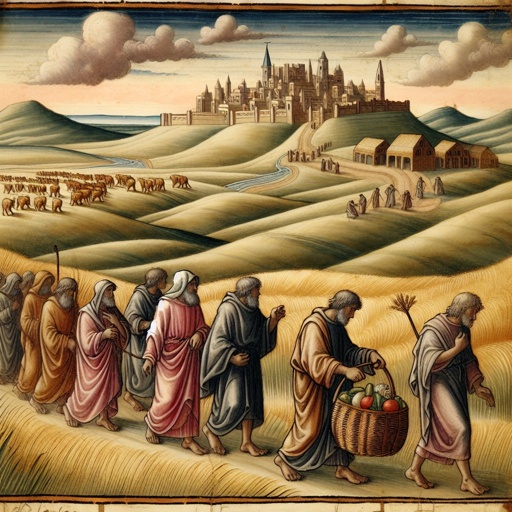
John 4:8 - "(For his disciples were gone away unto the city to buy meat.)"

1 John 4:19 - "We love him, because he first loved us."

"Beloved, let us love one another, for love is from God, and whoever loves has been born of God and knows God. Anyone who does not love does not know God, because God is love." - 1 John 4:7-8

John 8:4 - "They say unto him, Master, this woman was taken in adultery, in the very act."

John 15:1-8
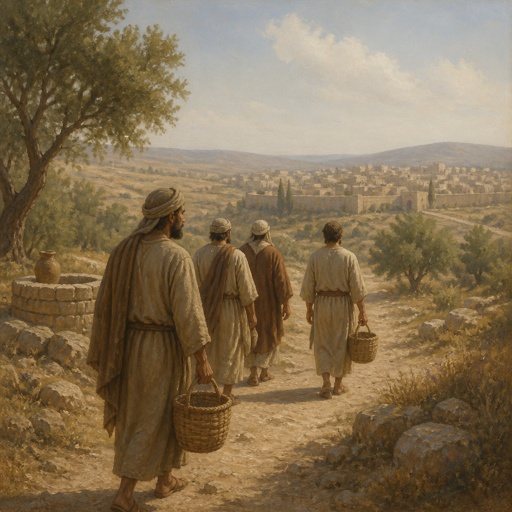
"(For his disciples were gone away unto the city to buy meat.)" - John 4:8

John 3:3-8

"We love him, because he first loved us." - 1 John 4:19

"We love him, because he first loved us." - 1 John 4:19

John 8:1 - "Jesus went unto the mount of Olives."

1 John 4:5 - "They are of the world: therefore speak they of the world, and the world heareth them."

Create a word card with the verse from 1 John 4:4

1 John 4:7-8 - "Beloved, let us love one another, for love is from God, and whoever loves has been born of God and knows God. Anyone who does not love does not know God, because God is love."

1 John 4:21 - "And this commandment have we from him, That he who loveth God love his brother also."

1 John 4:11 - "Beloved, if God so loved us, we ought also to love one another."

John 1:8 - "He was not that Light, but was sent to bear witness of that Light."

1 John 1:8 - "If we say that we have no sin, we deceive ourselves, and the truth is not in us."

John 1:4 - "In him was life; and the life was the light of men."

1 John 1:4 - "And these things write we unto you, that your joy may be full."

1 John 4:14 - "And we have seen and do testify that the Father sent the Son to be the Saviour of the world."

John 4:1 - "When therefore the Lord knew how the Pharisees had heard that Jesus made and baptized more disciples than John,"

1 John 4:13 - "Hereby know we that we dwell in him, and he in us, because he hath given us of his Spirit."