What does 1 John 4:11 mean?
"Beloved, if God so loved us, we ought also to love one another." - 1 John 4:11
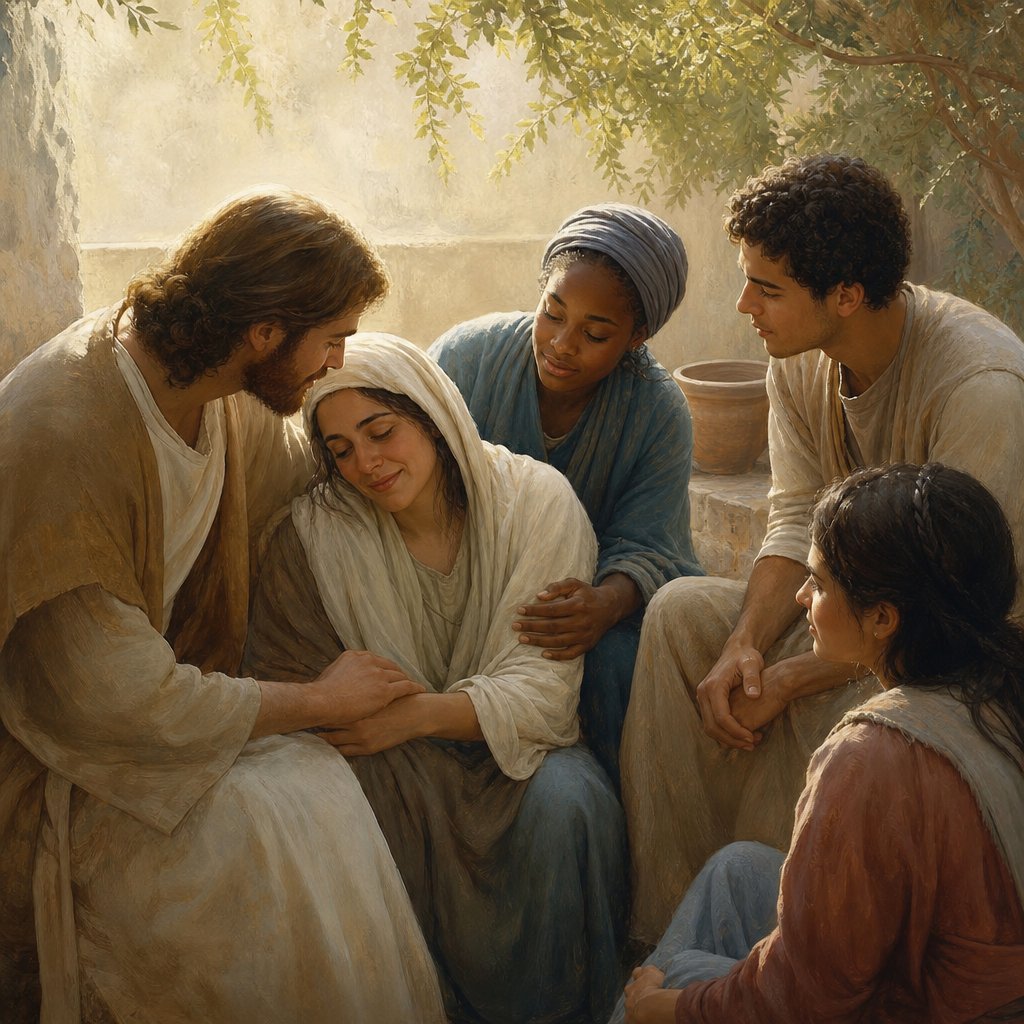
“Beloved, if God so loved us, we ought also to love one another.” (1 John 4:11, KJV)
In this verse John speaks as a pastor to a family, calling the church “Beloved” to remind them that they are already the objects of God’s affection before they are ever asked to show affection themselves. The sentence turns on the word “if,” not as a doubt but as a moral conclusion: since God “so loved us,” a certain way of life necessarily follows. John is drawing a straight line from God’s action toward us to our obligation toward each other. The force of “so” is not merely that God loved, but that God loved in a particular manner and measure—costly, deliberate, and initiating. In the immediate context, that manner has been defined in the strongest terms: “In this was manifested the love of God toward us, because that God sent his only begotten Son into the world, that we might live through him” (1 John 4:9, KJV), and again, “Herein is love, not that we loved God, but that he loved us, and sent his Son to be the propitiation for our sins” (1 John 4:10, KJV). Verse 11 gathers those statements and presses them into daily conduct. God’s love is not presented as a mere comfort; it becomes a rule of life.
The theme is imitation grounded in salvation. John does not tell believers to love one another in order to become loved by God; he tells them to love because they have been loved in a way they did not earn. The logic is covenantal and familial: children resemble their Father. In 1 John, love is never treated as sentiment alone but as the visible, practical proof of spiritual reality. This is why John so often ties love to knowing God: “He that loveth not knoweth not God; for God is love” (1 John 4:8, KJV). To say “God is love” in this context is not to reduce God to an abstract quality, but to declare that love belongs to his very nature and therefore must mark those who truly have fellowship with him. Verse 11 assumes that God’s love is the source and pattern, and it states that the believer’s love is the expected fruit.
The context of the chapter makes the verse even sharper. First John 4 is written amid testing and discernment: “Beloved, believe not every spirit, but try the spirits whether they are of God” (1 John 4:1, KJV). False teaching and spiritual deception threaten the community, and John insists that truth and love must not be separated. The confession of Christ’s coming “in the flesh” (1 John 4:2, KJV) is bound to the practice of love, because the incarnation itself is love made tangible. John’s point is that authentic Christianity is not only correct speech about Christ but also Christlike life toward brethren. When he arrives at verse 11, he is showing that love for one another is not a secondary feature of faith but one of its primary tests and expressions.
Symbolically, the verse rests on the movement from heaven to earth and then outward from believer to believer. God’s love “toward us” was manifested in sending the Son; then that same love is to be manifested among us in the fellowship of the saints. The “one another” is significant: John is not speaking of vague goodwill in general but of concrete love within the body of believers, where irritations, differences, and offenses actually occur. Love “one another” becomes the living arena in which the unseen God is displayed. Immediately after this verse John says, “No man hath seen God at any time. If we love one another, God dwelleth in us, and his love is perfected in us” (1 John 4:12, KJV). The symbolism is that the invisible God becomes visible, in a sense, through the perfected, matured expression of his love in his people. Love becomes the witness, the evidence, the “manifestation” of God’s indwelling presence.
The word “ought” carries moral weight. It is not presented as a suggestion, nor merely as a virtue for especially mature believers. It is the fitting response demanded by grace. Yet it is also an “ought” made possible by what has already been given. Because the love that saves is prior—“not that we loved God, but that he loved us” (1 John 4:10, KJV)—the command to love is not an attempt to generate spiritual life by human effort, but the proper outworking of life received. In that way, 1 John 4:11 confronts both pride and despair: pride, because no one can claim superiority when all stand as the beloved recipients of initiating mercy; despair, because the standard of love is not grounded in our natural resources but in God’s own action and indwelling.
The significance of the verse, then, is that it frames Christian love as a response to the gospel itself. John anchors ethics in atonement. The “so loved us” reaches back to the sending of the “only begotten Son” and to “propitiation for our sins,” meaning that the greatest obstacle to communion—sin and its guilt—has been dealt with by God’s own provision. If God has removed the deepest debt and reconciled enemies, the believer is left without excuse to withhold love from a brother or sister. The cross-shaped love that came down to us is meant to flow through us. In John’s theology, this is not optional spirituality; it is the normal evidence of God’s life in the soul and God’s presence in the church.
Have questions about 1 John 4:11?
Dive deeper into this scripture with Bible Chat — an AI-powered tool for exploring God's Word through conversation. Ask questions, get context, and grow in your understanding of the Bible.
Get Our Apps


1 John 4:11 Artwork

1 John 4:11 - "Beloved, if God so loved us, we ought also to love one another."
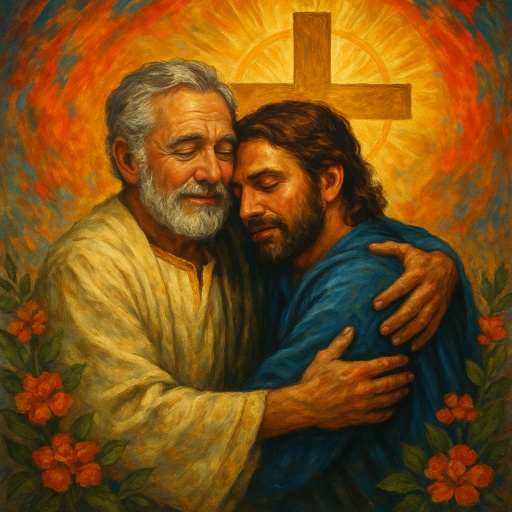
"Beloved, if God so loved us, we ought also to love one another." - 1 John 4:11

1 John 4:11-12 - "Beloved, if God so loved us, we also ought to love one another. No one has ever seen God; if we love one another, God abides in us and his love is perfected in us."
"Beloved, if God so loved us, we ought also to love one another." - 1 John 4:11
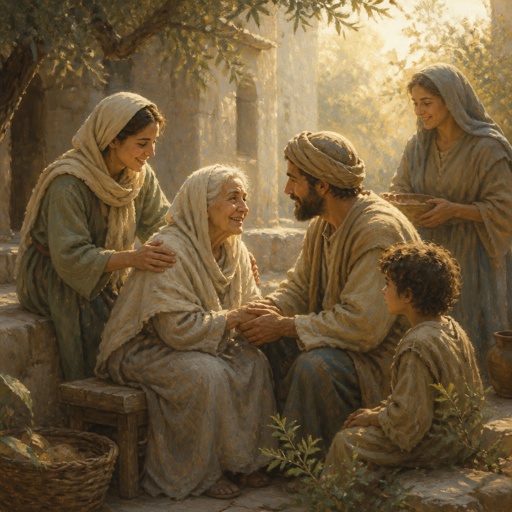
"Beloved, if God so loved us, we also ought to love one another. No one has ever seen God; if we love one another, God abides in us and his love is perfected in us." - 1 John 4:11-12

1 John 4:13

1 John 4:18

1 John 4:18

The Source of Our Love New Testament 1 John 4:7: "Dear friends, let us love one another, for love comes from God. Everyone who loves has been born of God and knows God." 1 John 4:19: "We love because he first loved us."

John 8:4-11

The Source of Our Love HOLY SPIRIT DOVE HEARTS New Testament 1 John 4:7: "Dear friends, let us love one another, for love comes from God. Everyone who loves has been born of God and knows God." 1 John 4:19: "We love because he first loved us."

The Source of Our Love HOLY SPIRIT DOVE HEARTS New Testament 1 John 4:7: "Dear friends, let us love one another, for love comes from God. Everyone who loves has been born of God and knows God." 1 John 4:19: "We love because he first loved us."

The Source of Our Love HOLY SPIRIT DOVE HEARTS New Testament 1 John 4:7: "Dear friends, let us love one another, for love comes from God. Everyone who loves has been born of God and knows God." 1 John 4:19: "We love because he first loved us."

The Source of Our Love New Testament 1 John 4:7: "Dear friends, let us love one another, for love comes from God. Everyone who loves has been born of God and knows God." 1 John 4:19: "We love because he first loved us."

The Source of Our Love HOLY SPIRIT DOVE HEARTS New Testament 1 John 4:7: "Dear friends, let us love one another, for love comes from God. Everyone who loves has been born of God and knows God." 1 John 4:19: "We love because he first loved us."

The Source of Our Love HOLY SPIRIT DOVE New Testament 1 John 4:7: "Dear friends, let us love one another, for love comes from God. Everyone who loves has been born of God and knows God." 1 John 4:19: "We love because he first loved us."

The Source of Our Love HOLY SPIRIT DOVE HEARTS New Testament 1 John 4:7: "Dear friends, let us love one another, for love comes from God. Everyone who loves has been born of God and knows God." 1 John 4:19: "We love because he first loved us."

The Source of Our Love HOLY SPIRIT DOVE HEARTS New Testament 1 John 4:7: "Dear friends, let us love one another, for love comes from God. Everyone who loves has been born of God and knows God." 1 John 4:19: "We love because he first loved us."

1 John 4:19 - "We love him, because he first loved us."

"We love him, because he first loved us." - 1 John 4:19

1 John 4:8 - "He that loveth not knoweth not God; for God is love."

"We love him, because he first loved us." - 1 John 4:19

1 John 4:5 - "They are of the world: therefore speak they of the world, and the world heareth them."

Create a word card with the verse from 1 John 4:4

1 John 4:21 - "And this commandment have we from him, That he who loveth God love his brother also."
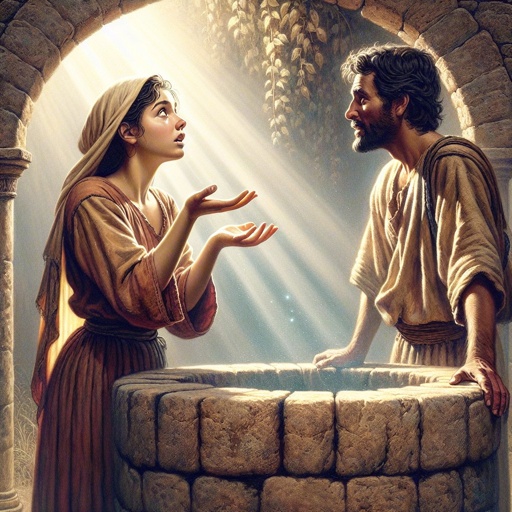
John 4:11 - "The woman saith unto him, Sir, thou hast nothing to draw with, and the well is deep: from whence then hast thou that living water?"

John 11:4 - "When Jesus heard that, he said, This sickness is not unto death, but for the glory of God, that the Son of God might be glorified thereby."

John 1:4 - "In him was life; and the life was the light of men."

1 John 1:4 - "And these things write we unto you, that your joy may be full."

"He that loveth not knoweth not God; for God is love." - 1 John 4:8