What does 1 John 4:10 mean?
"Herein is love, not that we loved God, but that he loved us, and sent his Son to be the propitiation for our sins." - 1 John 4:10
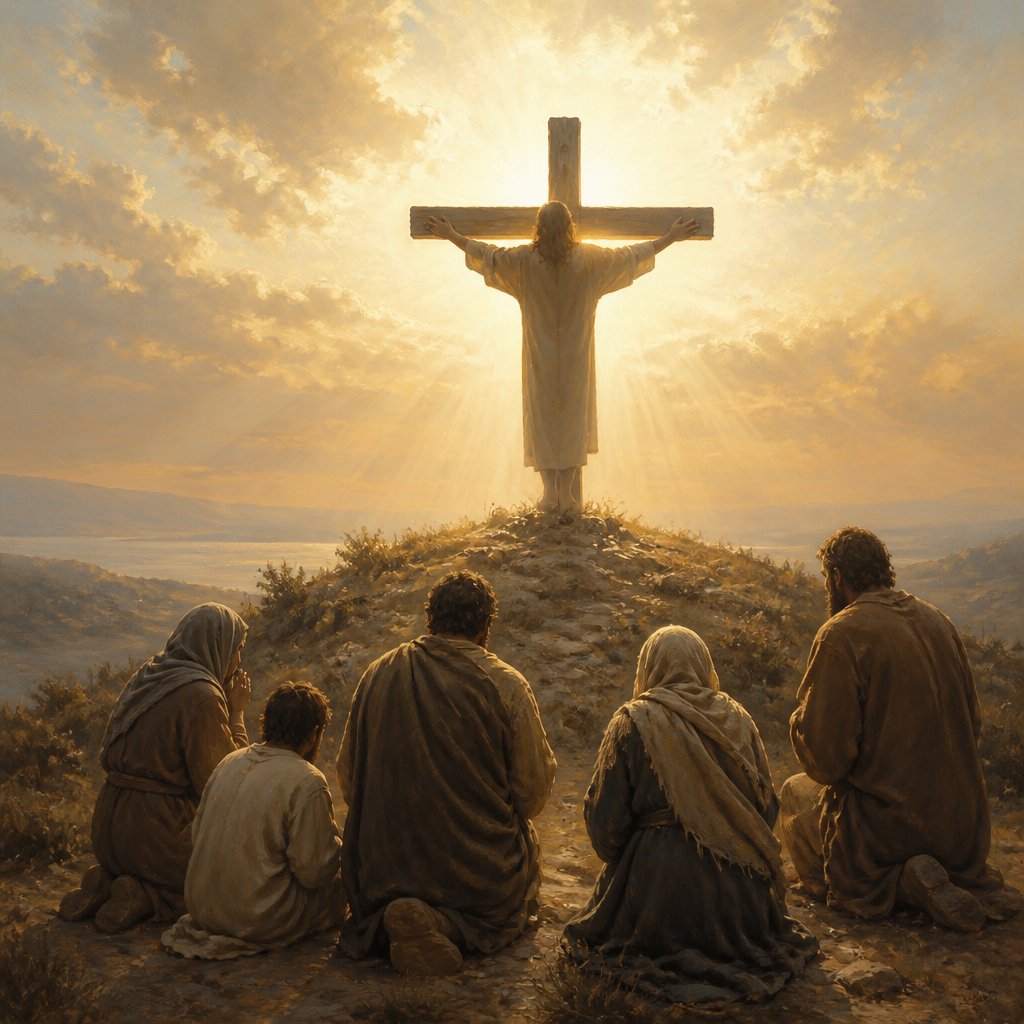
1 John 4:10 (KJV) - "Herein is love, not that we loved God, but that he loved us, and sent his Son to be the propitiation for our sins."
This single verse encompasses the core message of the Christian faith, and it holds profound meaning for believers. In this verse, the apostle John eloquently articulates the essence of God's love, the unique role of Jesus Christ, and the purpose of His sacrifice for humanity's salvation. By examining the passage in its literary, historical, and theological context, we can gain a deeper understanding of its significance.
First and foremost, 1 John 4:10 underscores the nature of divine love. John asserts that the ultimate demonstration of love is not rooted in human initiative or striving, but in God's own character and actions. The verse makes a radical declaration that God's love for humanity is prioritized above our love for Him. This concept challenges the popular belief that individuals must earn God's affection through their own efforts. Instead, it emphasizes the unilateral, unconditional, and sacrificial nature of God's love. This divine love stands in stark contrast to human love, which is often marred by conditions, limitations, and self-interest.
The verse also highlights the central role of Jesus Christ in God's plan for redemption. It proclaims that God "sent his Son to be the propitiation for our sins." The term "propitiation" carries deep theological significance, referring to the atoning sacrifice that reconciles humanity with God. It denotes the act of appeasing God's righteous judgment and wrath through the shedding of blood. In this context, Jesus Christ is portrayed as the sacrificial lamb whose death atones for the sins of humanity, thereby satisfying the demands of divine justice.
Furthermore, 1 John 4:10 encapsulates the overarching theme of God's redemptive love as manifested in Christ's crucifixion. It echoes the sentiments expressed in the famous verse John 3:16, emphasizing that God's love motivated Him to give His Son for the salvation of the world. The verse elucidates the profound depth of God's love, which is manifested in His selfless act of sending Jesus as the ultimate expression of His love.
In addition to its theological depth, 1 John 4:10 also carries profound symbolic significance. The sending of God's Son as the propitiation for our sins symbolizes the divine exchange that takes place at the cross. It symbolizes the transference of humanity's guilt and condemnation upon Jesus, who bore the weight of our sins, thereby enabling believers to receive God's forgiveness and reconciliation. This symbolic imagery evokes the imagery of the Old Testament sacrificial system, where the blood of animals was shed to atone for sins. However, Jesus' sacrifice is depicted as the ultimate and perfect atonement, surpassing the efficacy of all previous sacrifices.
In conclusion, 1 John 4:10 encapsulates the heart of the Christian faith, conveying the profound truth of God's love and redemption. It serves as a powerful reminder of the unparalleled magnitude of God's love, the indispensable role of Jesus Christ in God's plan of salvation, and the transformative impact of the cross on humanity. This verse continues to inspire and comfort believers, serving as a timeless testament to the incomparable depth of God's love and the immeasurable value of Christ's sacrificial death for our sins.
Have questions about 1 John 4:10?
Dive deeper into this scripture with Bible Chat — an AI-powered tool for exploring God's Word through conversation. Ask questions, get context, and grow in your understanding of the Bible.
Get Our Apps


1 John 4:10 Artwork

1 John 4:10 - "Herein is love, not that we loved God, but that he loved us, and sent his Son to be the propitiation for our sins."
"Herein is love, not that we loved God, but that he loved us, and sent his Son to be the propitiation for our sins." - 1 John 4:10

1 John 4:13

1 John 4:18

1 John 4:18

1 John 4:19 - "We love him, because he first loved us."

John 10:30

John 10:9

"We love him, because he first loved us." - 1 John 4:19

1 John 4:8 - "He that loveth not knoweth not God; for God is love."

"We love him, because he first loved us." - 1 John 4:19

1 John 4:5 - "They are of the world: therefore speak they of the world, and the world heareth them."

Create a word card with the verse from 1 John 4:4

1 John 4:21 - "And this commandment have we from him, That he who loveth God love his brother also."

1 John 4:11 - "Beloved, if God so loved us, we ought also to love one another."

John 1:4 - "In him was life; and the life was the light of men."

1 John 1:4 - "And these things write we unto you, that your joy may be full."

"He that loveth not knoweth not God; for God is love." - 1 John 4:8

1 John 4:14 - "And we have seen and do testify that the Father sent the Son to be the Saviour of the world."

John 4:1 - "When therefore the Lord knew how the Pharisees had heard that Jesus made and baptized more disciples than John,"

1 John 4:13 - "Hereby know we that we dwell in him, and he in us, because he hath given us of his Spirit."

John 1:10 - "He was in the world, and the world was made by him, and the world knew him not."

1 John 1:10 - "If we say that we have not sinned, we make him a liar, and his word is not in us."

1 John 4:15 - "Whosoever shall confess that Jesus is the Son of God, God dwelleth in him, and he in God."

The Source of Our Love New Testament 1 John 4:7: "Dear friends, let us love one another, for love comes from God. Everyone who loves has been born of God and knows God." 1 John 4:19: "We love because he first loved us."

1 John 4:9-10 - "In this was manifested the love of God toward us, because that God sent his only begotten Son into the world, that we might live through him. Herein is love, not that we loved God, but that he loved us, and sent his Son to be the propitiation for our sins."
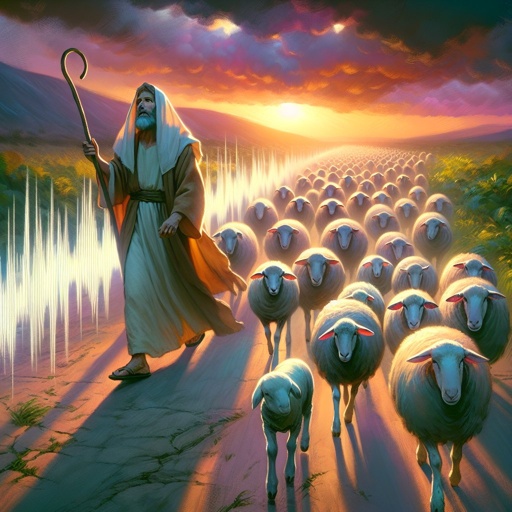
John 10:4 - "And when he putteth forth his own sheep, he goeth before them, and the sheep follow him: for they know his voice."

1 John 4:4 - "Ye are of God, little children, and have overcome them: because greater is he that is in you, than he that is in the world."
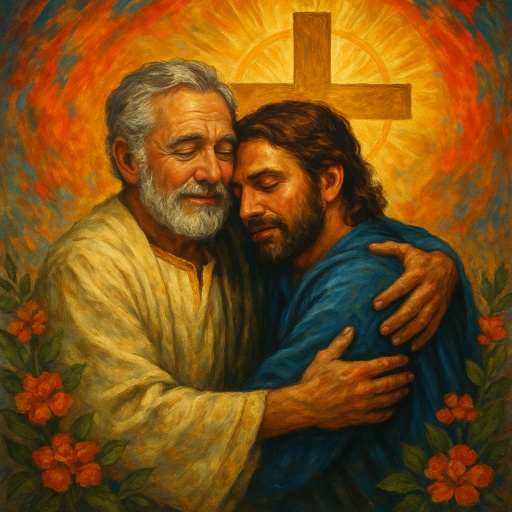
"Beloved, if God so loved us, we ought also to love one another." - 1 John 4:11

1 John 4;19