What does 1 John 2:9 mean?
"He that saith he is in the light, and hateth his brother, is in darkness even until now." - 1 John 2:9
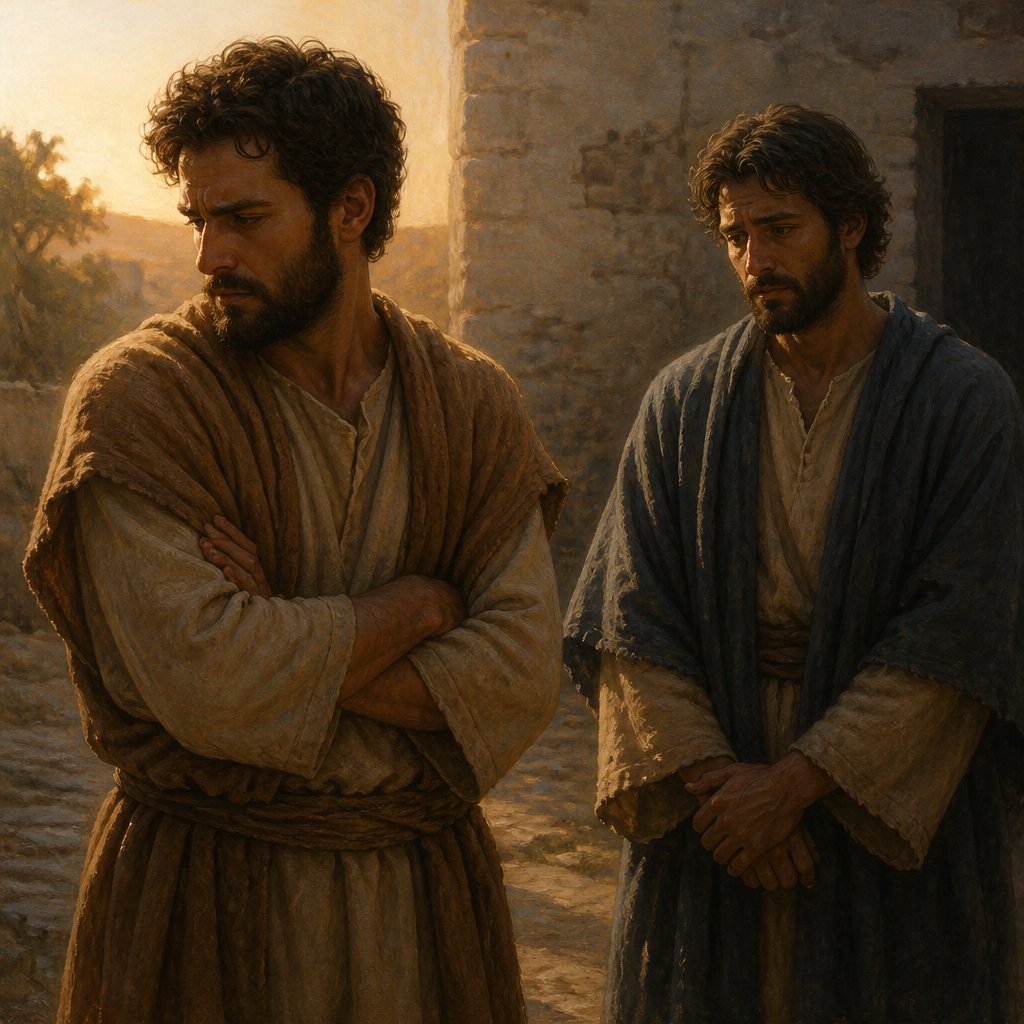
1 John 2:9 (KJV) states, "He that saith he is in the light, and hateth his brother, is in darkness even until now." This verse is part of the first epistle of John, which is attributed to the Apostle John. The book of 1 John emphasizes the importance of love, righteousness, and fellowship with God and with one another. This particular verse addresses the theme of love and the importance of treating others with kindness and compassion.
The verse begins with the phrase "He that saith he is in the light," which sets the stage for the contrast that follows. The "light" in this context represents the presence of God, goodness, and righteousness. Those who claim to be in the light are presenting themselves as followers of Christ and as bearers of the truth. However, the verse goes on to say that if someone claims to be in the light but harbors hatred toward their brother, they are actually "in darkness even until now." This suggests that their claim to righteousness is false, as darkness represents sin, evil, and separation from God.
The verse focuses on the relationship between one's profession of faith and their actions toward others. It emphasizes that love for others is an essential aspect of living in the light and walking with God. The message is clear: true disciples of Christ must demonstrate love and compassion for their fellow human beings.
The context of this verse is important for understanding its significance. In the surrounding verses, the author of 1 John speaks about the importance of keeping God's commandments, walking in the truth, and living a life that reflects the love of God. The author addresses the readers as "beloved" and emphasizes the need for love as the distinguishing mark of a true believer. The verse preceding 1 John 2:9 states, "Again, a new commandment I write unto you, which thing is true in him and in you: because the darkness is past, and the true light now shineth" (1 John 2:8, KJV). This sets the stage for the admonition in verse 9, emphasizing the transformative power of the light of Christ and the call to love one another.
Symbolism is also present in this verse. The contrast between light and darkness is a powerful symbol that recurs throughout the Bible. Light represents truth, righteousness, and the presence of God, while darkness represents falsehood, sin, and spiritual blindness. By using this symbolism, the verse underscores the moral and spiritual implications of our attitudes and actions toward others. It also serves as a reminder that our outward profession of faith should align with our inner disposition and treatment of others.
In conclusion, 1 John 2:9 (KJV) carries a profound and timeless message about the importance of love and compassion in the life of a believer. It serves as a moral and spiritual exhortation, calling believers to examine their hearts and their treatment of others. The verse challenges us to align our actions with our profession of faith, emphasizing that genuine fellowship with God and living in the light are inseparable from loving our neighbors. This verse continues to resonate with readers today, reminding us of the enduring significance of love as the defining characteristic of a follower of Christ.
Have questions about 1 John 2:9?
Dive deeper into this scripture with Bible Chat — an AI-powered tool for exploring God's Word through conversation. Ask questions, get context, and grow in your understanding of the Bible.
Get Our Apps


1 John 2:9 Artwork

1 John 2:9 - "He that saith he is in the light, and hateth his brother, is in darkness even until now."

"He that saith he is in the light, and hateth his brother, is in darkness even until now." - 1 John 2:9

1 John 2:27

1 John 2:14

1 John 2:14

1 John 2:27

1 John 2:27

1 John 2:27

2 John 1:9 - "Whosoever transgresseth, and abideth not in the doctrine of Christ, hath not God. He that abideth in the doctrine of Christ, he hath both the Father and the Son."

1 John 1:9

1 John 2:26 - "These things have I written unto you concerning them that seduce you."

1 John 2:20 - "But ye have an unction from the Holy One, and ye know all things."

1 John 2:3 - "And hereby we do know that we know him, if we keep his commandments."

John 10:9

1 John 2:25 - "And this is the promise that he hath promised us, even eternal life."

John 9:1-3

John 9:1-41

1 John 2:12 - "I write unto you, little children, because your sins are forgiven you for his name's sake."

1 John 2:10 - "He that loveth his brother abideth in the light, and there is none occasion of stumbling in him."

1 John 2:23 - "Whosoever denieth the Son, the same hath not the Father: (but) he that acknowledgeth the Son hath the Father also."

1 John 2:6 - "He that saith he abideth in him ought himself also so to walk, even as he walked."

1 John 2:29 - "If ye know that he is righteous, ye know that every one that doeth righteousness is born of him."

1 John 2:17 - "And the world passeth away, and the lust thereof: but he that doeth the will of God abideth for ever."

John 1:1-2

John 1:1-2

1 John 2:4 - "He that saith, I know him, and keepeth not his commandments, is a liar, and the truth is not in him."

John 1:9 - "That was the true Light, which lighteth every man that cometh into the world."

1 John 2:2 - "And he is the propitiation for our sins: and not for our's only, but also for the sins of the whole world."

John 1:1-2

John 1:1-2